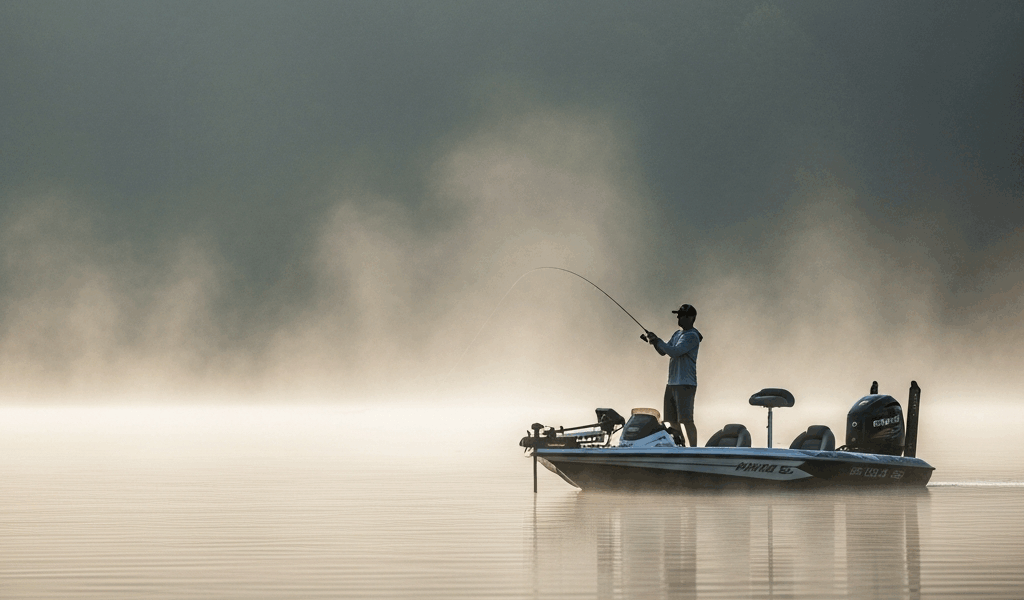
Spring fishing is a different game than summer fishing. The water is colder, the fish are transitioning from winter patterns, and your timing and approach matter more than your gear. Whether you’re chasing bass, trout, walleye, or panfish, here are the things that will actually put fish in the net during the first few weeks of the open-water season.
Water Temperature Drives Everything
Forget the calendar. Fish don’t care that it’s April. They care about water temperature. A cheap clip-on thermometer is the most underrated tool in spring fishing. Here’s the rough breakdown:
- 40-45°F: Fish are sluggish. Slow presentations, small baits, fish deep.
- 45-55°F: Transition zone. Fish are moving shallower to feed. This is prime time.
- 55-65°F: Pre-spawn activity peaks. Aggressive feeding, shallower water, bigger baits work.
The magic window for most species is that 48-58°F range. Fish are hungry after a long winter and actively feeding to build energy for the spawn. Find water in that temperature range and you’ll find active fish.
Find The Warmest Water
In early spring, not all water in a lake or river is the same temperature. The north and northwest shores warm first because they get the most direct sunlight. Dark-bottomed bays warm faster than sandy flats. Shallow backwater areas and creek arms heat up before the main lake body.
Focus on these warm pockets early in the season. A sheltered bay that’s 52°F when the main lake is 44°F will concentrate feeding fish. Even a 3-4 degree difference matters when water temperatures are in the low range. Fish will travel surprising distances to find comfortable water in spring.
Slow Down More Than You Think
The biggest spring fishing mistake is fishing too fast. Winter-lethargic fish won’t chase a crankbait ripped past them at summer speed. Slow everything down by at least half.
For bass, a ned rig (small stick bait on a mushroom jig head) dragged painfully slowly across the bottom is deadly in cold water. For trout, a small nymph drifted under a strike indicator in slow pools outproduces flashy streamers. For walleye, a jig tipped with a minnow, bounced vertically with long pauses between hops, is the classic spring approach for a reason — it works.
The general rule: if you think you’re fishing slowly enough, slow down more. Let your bait sit. Count to ten between rod movements. In cold water, fish often follow a bait for a long time before committing. Give them the chance.
Downsize Your Presentation
Cold water means slower metabolism, which means fish prefer smaller meals. Drop down a size or two from your summer baits. Use 3-inch plastics instead of 5-inch. Tie on a size 12 nymph instead of a size 8. Throw a small jerkbait instead of a full-size crankbait.
This also applies to line size. In clear, cold spring water, fish can be line-shy. Fluorocarbon in the 6-8 pound range for bass and walleye, and 5X-6X tippet for trout, will get you more bites than heavier setups. The trade-off is you need to be more careful playing fish, but that’s a good problem to have.
Time Your Trips Right
In summer, early morning is king. In spring, the opposite is often true. The afternoon hours between 1 PM and 5 PM are frequently the most productive because the water has had all day to warm up. That extra degree or two of afternoon warmth can be the difference between lockjaw and a feeding frenzy.
Also pay attention to weather trends. A string of warm, sunny days followed by a stable afternoon is ideal. Fish respond to warming trends more than absolute temperature. Three days of 55°F air temps will warm the shallows enough to trigger feeding even if the lake’s average temperature is still cold.
Conversely, a cold front slamming through after a warm spell will shut fishing down fast. If the forecast shows a sharp temperature drop, fish the day before the front hits — the last warm afternoon before a cold snap often produces the best fishing of the entire spring.
Keep It Simple
You don’t need a boat full of spring-specific gear. A medium-light spinning rod, a handful of small jigs, some soft plastics in natural colors (green pumpkin, brown, white), and a thermometer will cover 90% of spring situations. Focus on finding the right water temperature in the right location, then present a small bait slowly. That formula has been catching spring fish for generations, and it still works.


Stay in the loop
Get the latest fishing tales journal updates delivered to your inbox.