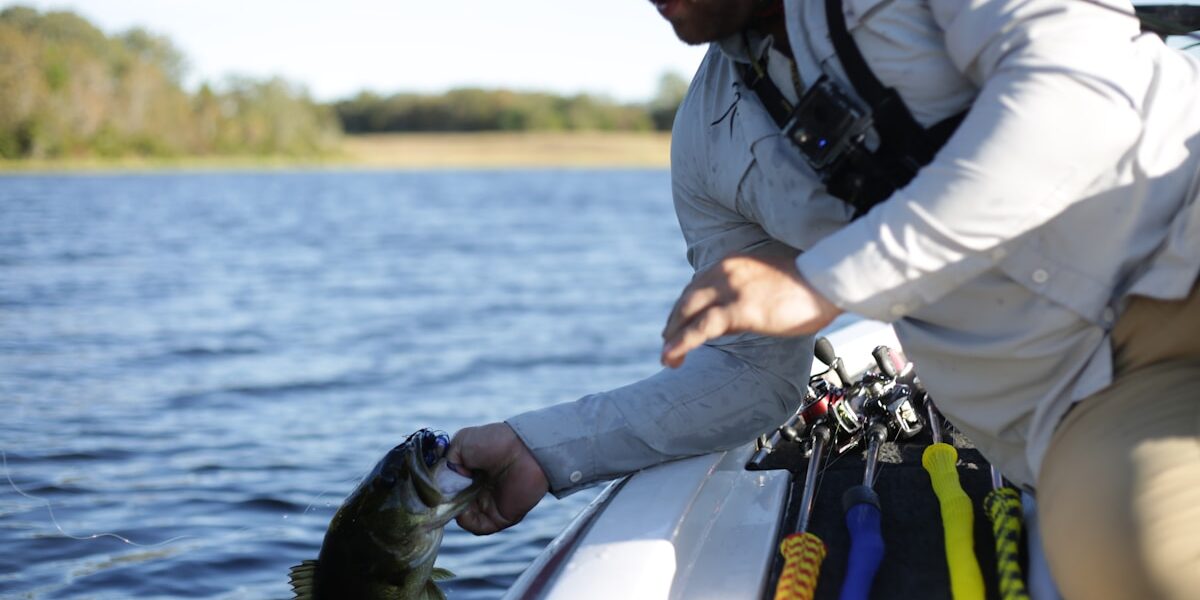
Fishing Techniques for Beginners
Learning to fish has gotten a lot more complicated than it needs to be, with entire YouTube channels dedicated to gear comparison and technique debate. Today I’ll walk through the main fishing techniques in a way that actually makes sense for someone just getting started.
Spin Fishing
Spin fishing is the right place to start for most beginners. A spinning reel sits underneath the rod and has an open face with a bail that flips to release line on the cast. It’s intuitive to learn, forgiving of imperfect technique, and handles a wide range of situations from light freshwater trout fishing to heavier bass and pike applications. You can cast lures or bait, and the setup is versatile enough that you won’t outgrow it quickly. Get comfortable with the basic overhead cast first — then experiment with distance and accuracy before adding complexity.
Fly Fishing
Fly fishing isn’t just about catching fish — it’s a technique built around the challenge of presenting a nearly weightless artificial fly to fish without spooking them. Unlike conventional fishing where you cast the weight of the lure, in fly fishing you cast the weight of the line itself. The rod loads under the weight of the fly line and transfers that energy to deliver the fly delicately to the water. It’s beautiful to watch when done well and genuinely satisfying to learn. Most people start on small trout streams with a 5-weight outfit — that’s a reasonable entry point. Wading in a clear, cold stream with a good hatch happening is an experience worth working toward.
Ice Fishing
Ice fishing requires one piece of specialized knowledge above everything else: the ice needs to be safe before you walk on it. Four inches of clear blue ice is the minimum for a single person on foot; more for groups, ATVs, or vehicles. Once you’re safely set up over a productive area, the technique itself is more accessible than most people expect. You drill or chip a hole, drop a line with a small jig or bait, and jig it up and down near the bottom. Short, sensitive rods work best in the close quarters of an ice hole. Perch, bluegill, crappie, and walleye are common targets depending on your region, and the combination of winter scenery and the anticipation of a bite makes for a genuinely unique experience.
Surf Fishing
Surf fishing means casting from the beach into the breaking waves and beyond. Long rods — 10 to 14 feet — and heavy sinkers allow you to get your bait out past the surf zone where fish are actively feeding. You never know exactly what will pick up your bait, which is part of the appeal. Striped bass, red drum, bluefish, pompano, and sharks are common surf fishing targets depending on location and season. The rhythm of casting, waiting, and scanning the water while waves break around your feet is its own kind of satisfaction, separate from whether you’re catching anything.
Deep-Sea Fishing
Offshore fishing takes you beyond the sight of land in some cases, and well beyond the depth where conventional freshwater experience prepares you. Heavy rods, robust reels with large line capacity, and often a full crew are required to target species like marlin, tuna, wahoo, and mahi-mahi. Charter boats are the accessible entry point for most people — the captain, mate, and captain’s local knowledge make the difference between finding fish and spending a day watching water. It’s a commitment in cost and physical effort, but landing a large pelagic fish is an experience in a genuinely different category from anything freshwater fishing produces.
That’s what makes fishing interesting as a long-term pursuit — each technique opens a completely different world. You can spend a lifetime getting good at just one of them, or you can explore them all and find that each one teaches you something different about fish, water, and patience. The fundamentals are simple. The depth available in any of these techniques is essentially unlimited. Pick one, get on the water, and the rest develops from there.


Stay in the loop
Get the latest fishing tales journal updates delivered to your inbox.