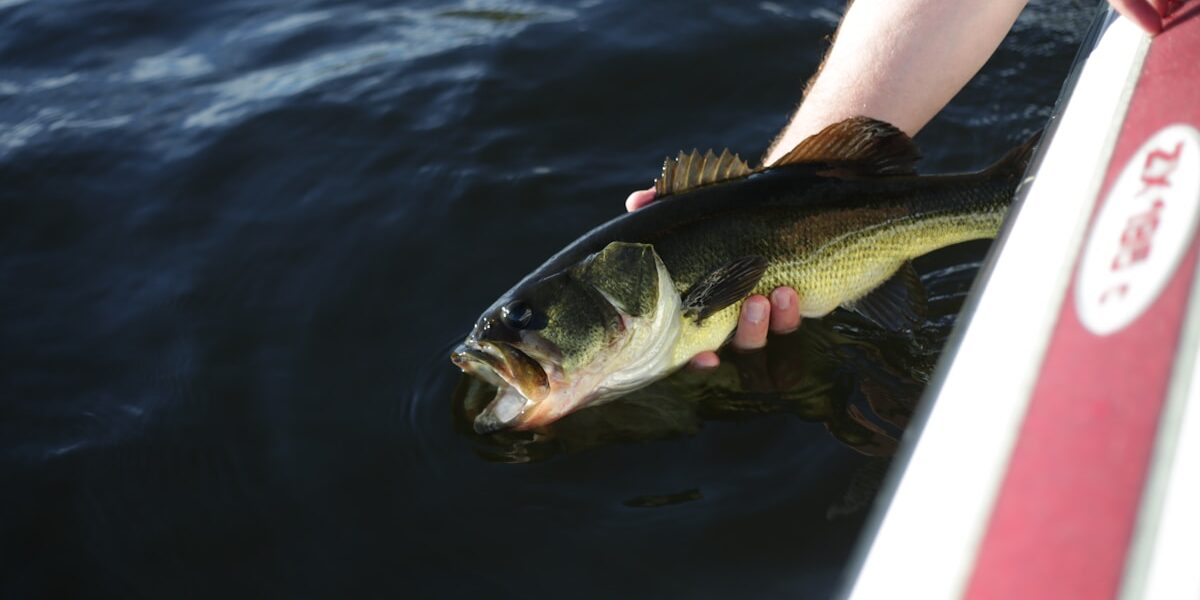
There’s a phrase that gets used to describe an exaggerated story — a “fishing story.” It’s used outside of fishing entirely, applied to any tale that’s been stretched past the point of strict accuracy. The fish was this big. The deal was worth that much. The commute took three hours.
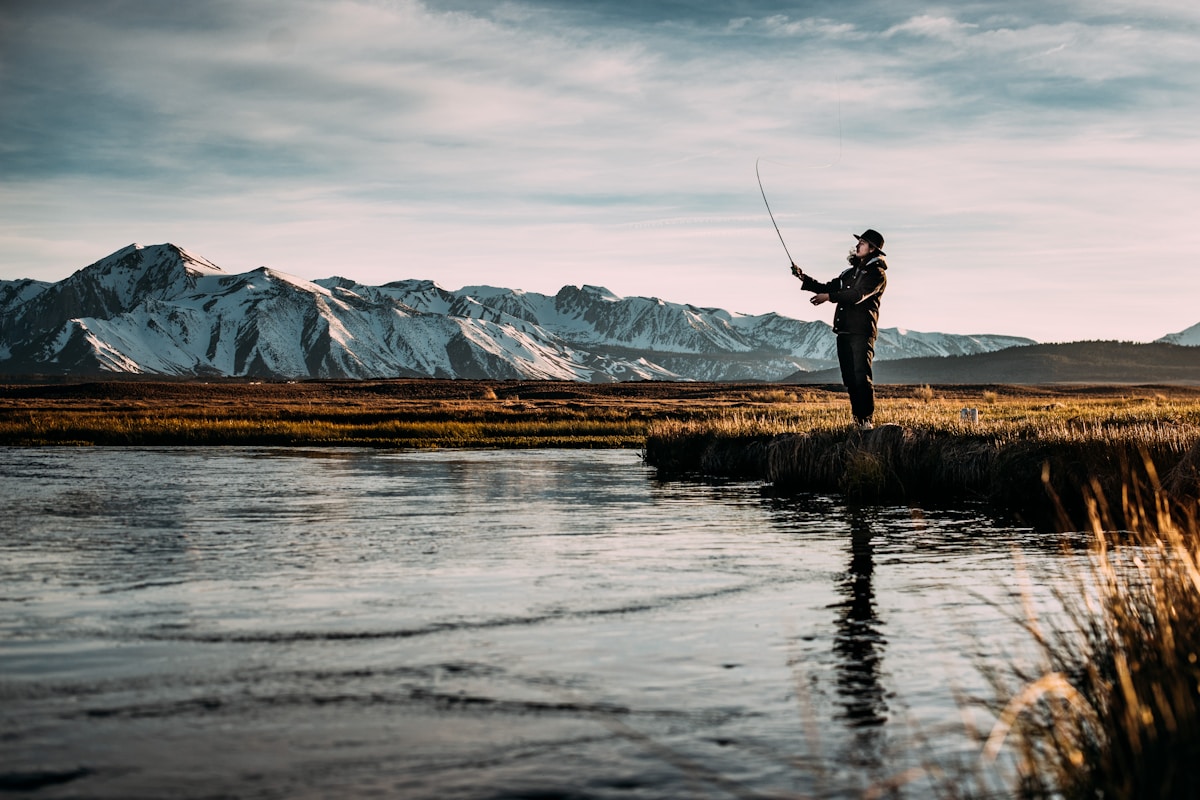
The phrase comes directly from angling culture, where embellishment has always been accepted as part of the tradition. A fishing story isn’t quite a lie — everyone telling one and everyone hearing one understands that adjustment has occurred. The fish that got away was probably not as large as reported. The fight probably wasn’t quite as dramatic. But the telling of it carries something real: the genuine feeling of that moment, the actual sense of something significant happening at the end of the line. The exaggeration is a tool for conveying an emotional reality that plain description can’t fully capture.
“The one that got away” is the central motif, and it endures because it’s not really about the fish. It’s about the near-miss, the pursuit, the moment where something real and significant almost happened. Every angler has one — or several. The specifics vary enormously; the underlying feeling doesn’t. A good fishing story is a vessel for that feeling, not an accurate report of events. The exaggeration is in service of communicating something true rather than something factual.
The term has extended well beyond actual fishing because the same impulse operates everywhere people tell stories. Business narratives inflate breakthrough moments. Personal histories smooth out unflattering details and amplify the memorable ones. Travel stories compress the boring transit and expand the interesting arrival. None of this is deceptive in the way lying is deceptive — it’s editing in service of the story’s purpose. Fishing stories, as a cultural concept, acknowledge and give a name to this universal tendency.
That said, context matters. There are situations where a discerning ear is genuinely necessary — where the difference between the fishing story version and the accurate version has real consequences. Legal testimony, medical history, safety reporting: these are contexts where the fishing story impulse needs to be recognized and set aside. The problem isn’t the impulse itself, which is normal and in most contexts harmless. The problem is applying it where precision is required. Knowing the difference is a kind of social literacy that most people develop over time, usually through a memorable experience of when the embellishment caused actual trouble.
What fishing stories mean, at their core, is that people care about their experiences enough to want to share them well. The embellishment is a sign of investment — you wouldn’t inflate a story about something that didn’t matter to you. Whether the story is told on the riverbank after a day on the water or at a dinner table years later, the impulse behind it is the same: something happened that felt significant, and the goal is to make the listener feel some portion of what the teller felt. That’s what stories are for. The fishing story just gives the tradition an honest name.




Leave a Reply