River and stream fishing has gotten a reputation for being complicated, and some of it is — but most of the fundamentals are straightforward once you see the water through the right lens. Here’s what to know.
Understanding River Currents
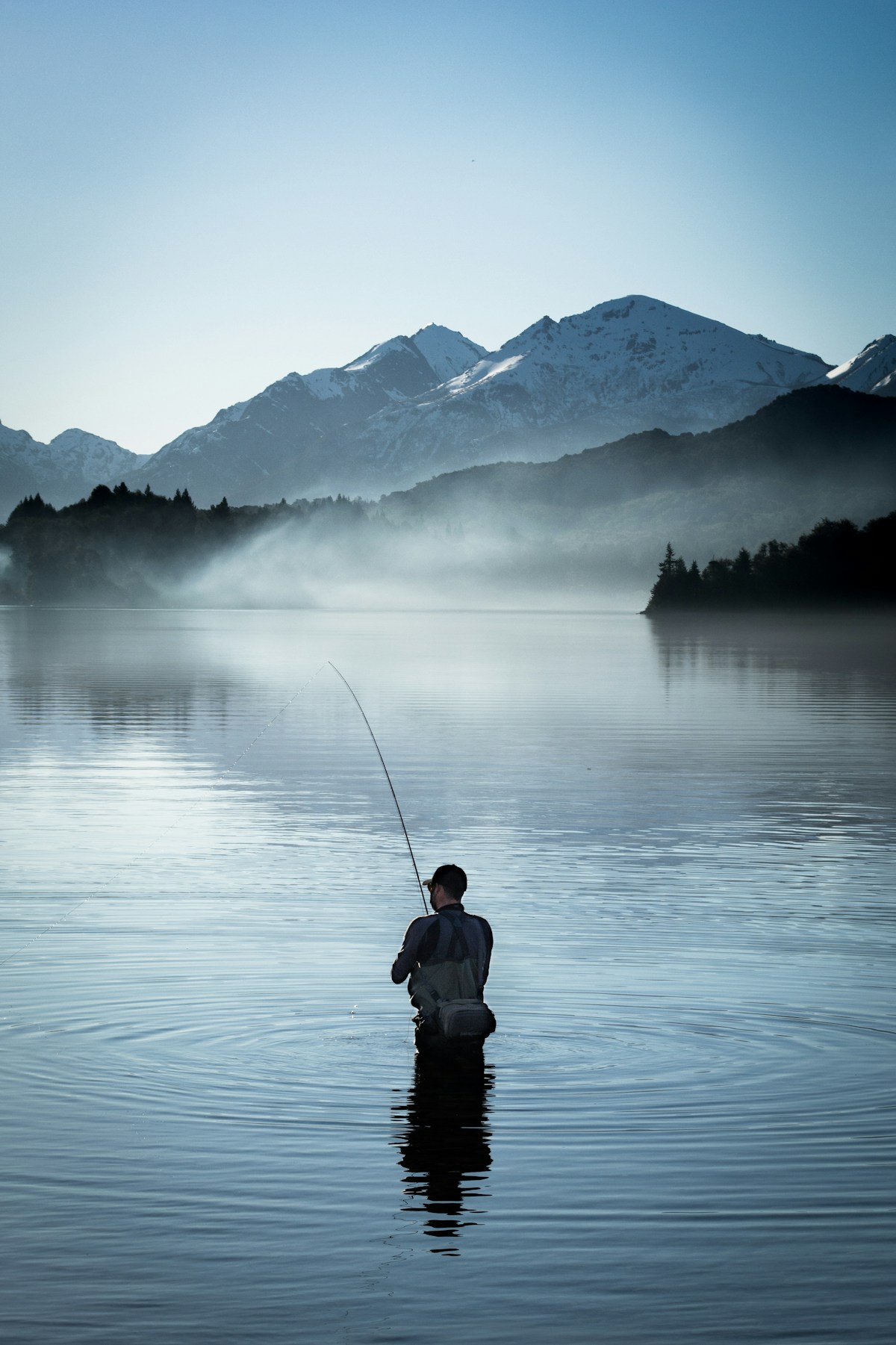
Current is the central fact of river fishing. Fish don’t fight current unless there’s a reason to — they find positions where they can hold with minimal effort while food comes to them. The spots that do that job well are eddies: the calm pockets behind boulders, along cut banks, downstream of fallen trees, or at the inside bend of a curve. Anywhere the fast water swings wide and leaves a quiet pocket is worth investigating.
The seam between fast and slow water — that visible line where the current speed changes — is especially productive. Fish sit just on the slow side and dart into the fast lane to grab passing food. Learn to read seams and you’ll find fish consistently.
Choosing the Right Fishing Gear
A medium-action rod, 6 to 7 feet, handles the range of situations you’ll encounter in moving water without forcing you to carry multiple setups. Pair it with a reel that has a reliable drag — current fishing creates variable tension on the line and you want smooth resistance rather than jerky stops. Match your tackle to your target species; don’t use 12 lb line for trout or 6 lb line when you’re going after catfish in a deep pool.
Choosing the Right Line and Hooks
- Light Line: Suitable for small fish like trout and panfish.
- Medium Line: Good for bass and walleye.
- Heavy Line: Necessary for catfish and pike.
- Appropriate Hook Sizes: Size 6-10 for small fish; size 2-6 for larger fish.
Selecting Bait and Lures
Natural baits work well in rivers for a simple reason: they’re what the fish already expect to see. Worms, minnows, and nymphs or crickets depending on the season cover most freshwater species. Artificial lures give you the ability to cover water and trigger reaction strikes — spinners and small jigs in particular are good for covering river pocket water quickly. Cut bait is the go-to for catfish in deeper pools, where the scent drifts downstream to attract fish holding on the bottom.
Categories of Bait
- Live Bait: Worms, minnows, and insects.
- Artificial Lures: Spinners, jigs, crankbaits.
- Cut Bait: Pieces of fish used to attract larger predatory fish.
Effective Fishing Techniques
The most universally effective technique in rivers and streams is the upstream cast and natural drift. Cast above the spot you want to fish, let the current carry your bait through it naturally, and keep enough tension to feel a strike without dragging the presentation unnaturally. That dead-drift is what makes the presentation look real to the fish.
Drift Fishing
- Cast upstream and let the bait drift downstream naturally.
- Keep a loose line to allow the bait to move with the current.
- Reel in when the bait reaches the end of the drift.
Bottom Bouncing
- Use enough weight to keep your bait near the bottom.
- Let the weight bounce along the riverbed.
- Feel for bites and set the hook quickly.
Reading the River
Look for color transitions in the water — where clear water meets a darker pool indicates depth change, and depth usually means fish. Shallow riffles between pools are worth fishing for trout and panfish, particularly with small lures or fly fishing gear. Deeper pools hold larger fish and are more productive as temperatures rise. Surface activity — splashes, rings, or a brief flash of silver in the shallows — tells you where fish are actively feeding right now.
Timing Your Fishing Trips
Early morning and late evening are consistently the best windows, regardless of species. Fish that have been holding tight during the heat of the day move into feeding positions when light levels drop. Spring and fall are peak seasons in most regions — water temperatures are in the productive range and fish are feeding aggressively. Summer can be excellent if you’re out before 7 AM or after 7 PM; midday is generally a waste of time in warm months.
Staying Safe While Fishing
River safety is something that gets underestimated until it isn’t. Current is powerful, even water that looks shallow and calm. Wear a wading belt if you’re wade fishing — if you fall, trapped air in your waders can actually work against you. In faster or unfamiliar water, wear a PFD. A wading staff isn’t overkill; it’s stability on slippery rock. Always tell someone where you’re going and when you expect to be back, especially for remote stretches.
Catch and Release Practices
Wet your hands before touching a fish. Use barbless hooks or crimp the barbs if you plan to release fish. Keep handling time short, keep the fish in the water as much as possible, and hold it gently in the current until it swims away on its own. Don’t point a just-landed fish upstream into strong current — put it in a calm pocket to recover first.
Steps for Safe Release
- Use barbless hooks or crimp the barbs on regular hooks.
- Minimize handling time.
- Support the fish in the water while it recovers.
Local Regulations and Licensing
A fishing license is required in virtually every state and province for anyone fishing public waters. Beyond the license, know your specific waterway’s rules — some rivers have special regulations like flies-only sections, no-kill zones, or restricted seasons during spawning periods. These restrictions exist for good reasons and getting caught without compliance isn’t worth it. Check the state fish and wildlife website before fishing a new stretch of water.
Environmental Awareness
Pack out everything you bring in. Dispose of used fishing line properly — it doesn’t degrade and it tangles and kills wildlife. Avoid trampling streamside vegetation; the root systems hold the bank together and provide cover for juvenile fish. If you notice invasive species (particularly aquatic plants or fish like snakehead or Asian carp), report it to the state wildlife agency. The rivers you fish are worth protecting.
Common Fish Species in Rivers and Streams
Knowing your target species shapes every decision you make — gear, bait, location, technique. Here’s the basic breakdown for common North American river and stream species:
Trout
- Found in cold, clear streams.
- Active in early morning and late evening.
- Prefer live bait or small lures.
Bass
- Found in warmer, slower-moving waters.
- Active around dawn and dusk.
- Respond well to various lures and baits.
Catfish
- Often found in deep pools and around structures.
- Most active at night.
- Prefer cut bait and strong-smelling baits.
River fishing rewards observation more than any other kind. You’re reading a living system that changes with rainfall, season, temperature, and time of day. The more time you put into watching the water before you fish it, the better your results will be.



Stay in the loop
Get the latest fishing tales journal updates delivered to your inbox.