
Trophy Pike Fishing Tips
Pike fishing has gotten complicated with all the conflicting advice flying around — use this lure, try that retrieve, fish here not there. Today, I’ll share what’s worked for me and what I’ve seen work consistently for other serious pike anglers.
Understanding Pike Behavior
Pike are ambush hunters, full stop. They don’t chase prey down across open water — they lurk in weedy ponds, along lily pad edges, near fallen logs in slow-moving rivers, and they wait. When something swims close enough, they explode out of cover. Knowing this changes everything about how you fish for them, because you’re not searching for pike so much as identifying the spots where pike like to hide and presenting something they can’t ignore.
They prefer cooler water, which matters seasonally. In summer, you’ll often find them deeper, near submerged weed edges where temperatures drop a few degrees. Early and late in the day they’ll push shallower. Understanding that rhythm is half the game.
Best Time to Catch Pike
Early morning and late evening are your best windows, and I’d rather fish two hours at dawn than six hours at midday. Pike feed more aggressively when light levels are low and water temperatures haven’t peaked. Spring and fall are the premier seasons overall — the cool water draws pike into the shallows, where they’re easier to reach and more actively hunting. I’ve had some absolutely ridiculous October mornings when the fog was still sitting on the water at 7 AM.
Choosing the Right Gear
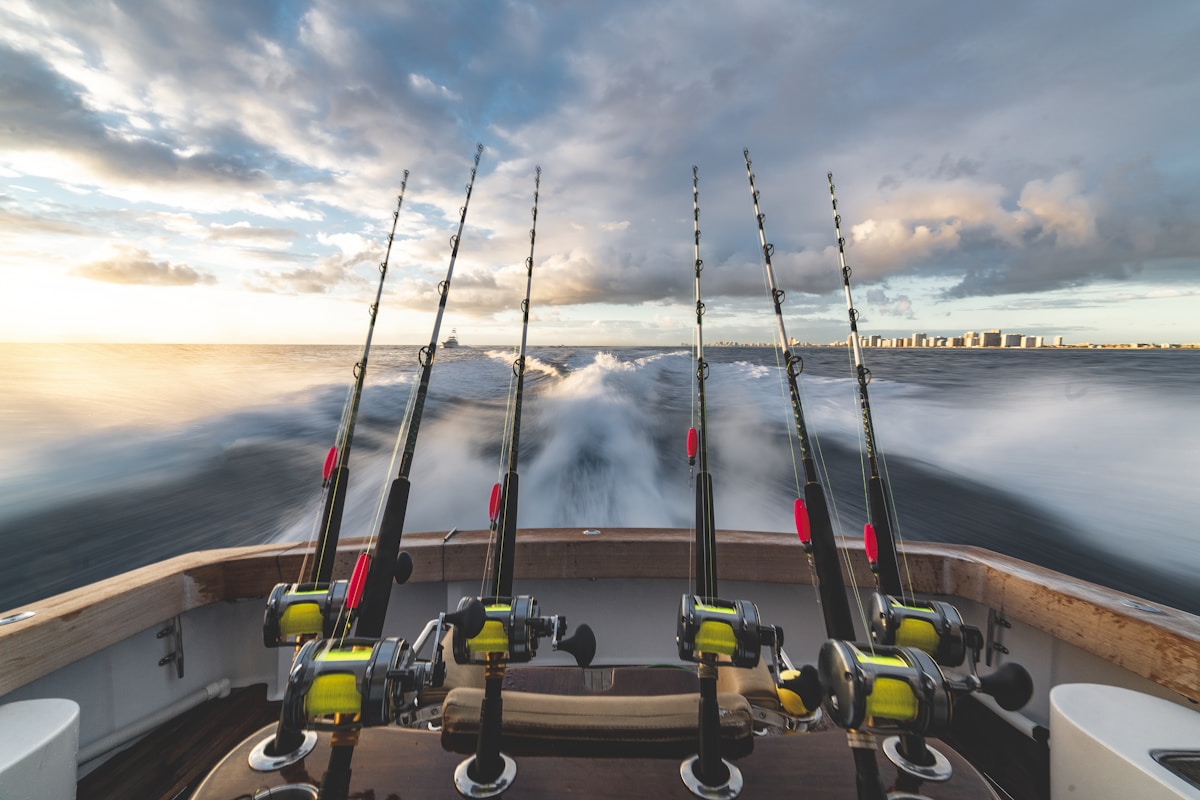
Here’s the deal — pike gear isn’t the place to cut corners. They’re strong fish with sharp teeth, and if your setup isn’t right, you’ll either lose the fish or end up with a wire leader dangling from your line and nothing attached to it.
- Rod and Reel: Medium to heavy rods work best. A strong rod helps handle the weight and fight of a pike. I use a 7-foot medium-heavy with a fast action for most situations.
- Line: Use braided line with a test of at least 20-30 pounds. Pike have sharp teeth, so a thicker line is necessary — and braid gives you better sensitivity and casting distance than mono at equivalent strength.
- Leaders: Always use a metal leader. This prevents pike from biting through your line. A 12-inch, 40-pound fluorocarbon-coated wire leader is my standard setup. Don’t skip this step.
- Lures: Large spoons, spinnerbaits, and jerkbaits are effective. Bright colors and shiny finishes attract pike, especially in stained water. In clear water, more natural baitfish patterns tend to outperform.
Techniques for Pike Fishing
Cast near weed beds, lily pads, or fallen logs — anywhere that provides cover. Then retrieve with a moderate, erratic motion. The key word there is erratic. A perfectly steady retrieve will catch some fish, but varying your speed and adding pauses to mimic an injured baitfish will catch a lot more. Pike seem hardwired to respond to something that looks like it can’t get away.
Try different retrieve speeds until you find what’s working on a given day. What triggers strikes on a cold October morning might get completely ignored by the same fish in July. Don’t assume what worked last time will work this time.
Using Live Bait
Live bait can also be extremely effective for pike, especially when they’re being finicky about lures. Minnows, suckers, and small perch all work well. Hook the bait through the back or lip to keep it alive as long as possible, and use a float to suspend it at the right depth. I’m apparently more patient with live bait rigs than most of my fishing partners, and it tends to pay off — letting the bait drift naturally with the current while you wait is a real skill that not everyone wants to develop.
Handling and Releasing Pike
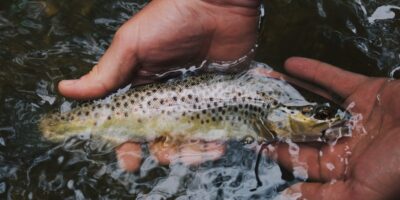
This is the section people skip and then regret. Pike have sharp teeth and gill rakers that will absolutely cut you if you’re not paying attention. Use a landing net to bring them in rather than trying to lip them. Grip firmly behind the head, keep your fingers away from the gill plate, and have long-nosed pliers ready to back the hook out. If you’re releasing the fish — which I’d encourage — minimize the time it spends out of the water. Thirty seconds or less if you can manage it.
Safety Tips
One more thing before you head out: pike are not forgiving of careless handling, and neither are their hooks.
- Wear gloves when handling pike — the teeth are real and they bite even when the fish is supposedly subdued.
- Keep a first aid kit handy for minor injuries. Hooks happen.
- Always have pliers for hook removal, and consider swapping treble hooks for single hooks on your lures — it makes releases dramatically faster and safer for both you and the fish.


Stay in the loop
Get the latest fishing tales journal updates delivered to your inbox.