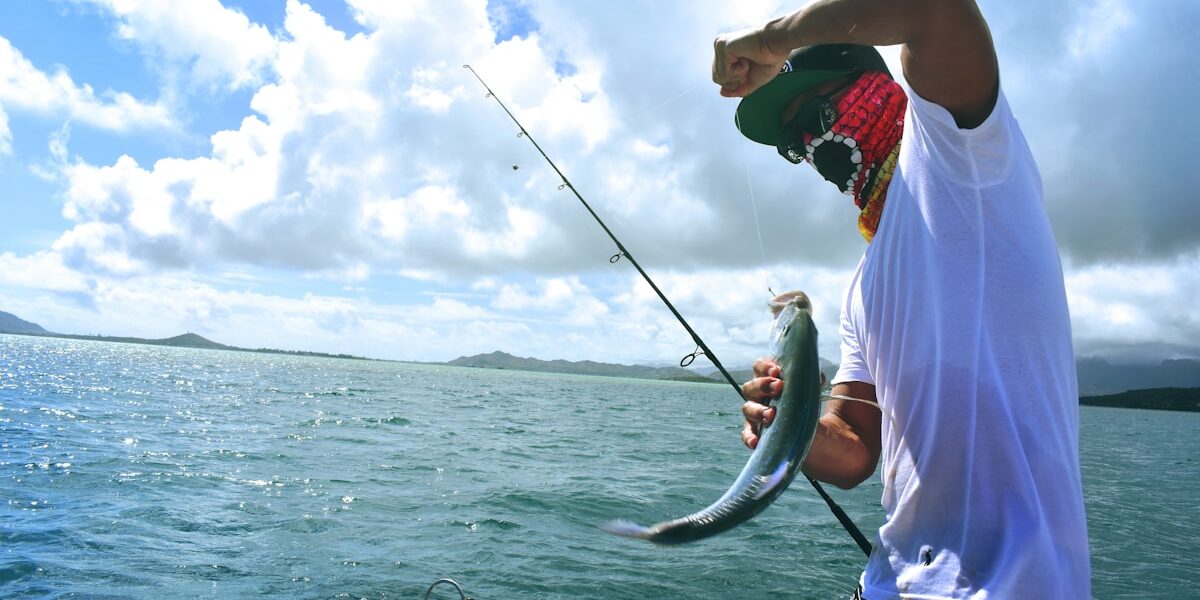
The best fishing trips I’ve been on all had one thing in common: they required effort to get to. There’s something different about fishing water where you know most people didn’t bother — the fish are less educated, the landscape is intact, and the whole experience has a quality that crowded public access points can’t replicate. Remote fishing adventures are their own category, and they require their own kind of planning.
Where to Go
Remote fishing destinations exist at every scale of effort and cost. On the accessible end: wilderness lakes accessible via a two-hour paddle, backcountry trout streams that require a half-day hike, and rivers only reachable by dirt road that most people don’t take. On the other end: fly-in lodges in the British Columbia interior, float plane trips to Alaska river systems, remote estuaries in Patagonia. The common thread is that physical or logistical barriers keep pressure low.
For most freshwater anglers, the places worth investigating first are the ones closest to home that most people skip. A Forest Service road that’s passable in a 4WD truck leads to a lake that gets a fraction of the pressure of the lakes with paved boat launches. A high-alpine lake that requires a 4-mile hike produces far better fishing than the popular trailhead lakes. You don’t have to go to Canada to find remote water; you have to be willing to go further than the average person.
That said, destination trips to genuinely wild places — the salmon rivers of Alaska, the remote tarpon flats of the Yucatan, the trophy trout waters of New Zealand’s South Island — are worth working toward. These places produce the fishing of a lifetime and the landscapes to match.
Gear for Remote Conditions
Remote trips require gear that’s lighter, more self-sufficient, and more redundant than your standard day-trip setup. You can’t make a run to the tackle shop when you’re four hours from the trailhead.
- Fishing rods and reels appropriate to target species — multi-piece travel rods allow for pack-in trips
- Tackle box with variety: you don’t know exactly what will work on new water, so bring options
- Extra line, hooks, weights, swivels, and leaders — more than you think you’ll need
- Camping gear sized and weighted for the access method (ultralight for backpacking, heavier for float trips)
- Navigation: downloaded offline maps, compass, and a paper topo for the area
- Safety: first aid kit, emergency signal device (PLB or satellite communicator), lighter and fire starting material
A satellite communicator — Garmin inReach or SPOT device — isn’t optional on remote trips. It’s the difference between a manageable emergency and a life-threatening one. The subscription costs $30-50 a month. It’s the most important piece of safety gear you’re not bringing if you’re not bringing it.
Preparing for What You Can’t Control
Weather in wilderness areas changes faster and more severely than in settled areas. A beautiful morning can become a thunderstorm by noon at high elevation. Pack a rain layer regardless of the forecast — it should fit in the top of your daypack without thought. Layers for temperature swings. Dry bags for anything that can’t get wet.
Tell someone your complete plan before you leave: where you’re going, the specific trailhead or launch location, your expected route, and when you’ll be back. Check in by satellite communicator if the trip is longer than a day. If you don’t check in on schedule, that person should know to call search and rescue. This is not paranoia; it’s what search and rescue teams wish more people would do before every backcountry trip.
Water is worth planning around specifically. Don’t count on a spring being where the map shows it. Carry a filter or purification tablets as backup to your primary water source, and carry more water than you think you need for the first day until you know what’s available.
Adapting Your Technique
Fish in remote, lightly-pressured water often haven’t been educated the way fish in popular locations have. That’s part of what makes remote fishing extraordinary — fish respond to presentations that would get refused on a heavily fished stream. At the same time, the fishery is genuinely self-sustaining rather than stocked, which means the fish are wary in a natural way. They’ve never seen a lure, but they’ve also never had anyone be sloppy around them.
Research the techniques appropriate for your specific destination and target species before you go. Fly fishing for high-alpine cutthroat requires a different approach than spin fishing for lake trout in a remote Canadian shield lake, which is different again from kayak fishing for peacock bass in a remote Amazonian tributary. The general principles of reading water and matching the hatch apply everywhere, but the specifics matter.
Leave No Trace
Remote fisheries that are exceptional today are exceptional because people before you treated them well. Pack out everything you pack in — every piece of monofilament, every wrapper, every bottle. Camp on durable surfaces. Don’t cut live vegetation. Bury waste properly. Respect fire restrictions. These places are fragile because they’re remote, not in spite of it — the lack of infrastructure means the ecosystem absorbs impact directly rather than through managed access points.
Practice catch-and-release on any species you’re not planning to keep for a meal, and keep only what you’ll eat. Remote populations of fish are often self-sustaining but not abundant in the way stocked fisheries are. The same pressure that devastates a suburban pond can devastate a remote alpine lake where the fish have shorter growing seasons and lower reproductive rates.
Engaging with Local Communities and Culture
In many remote areas, indigenous communities have fished the same waters for generations and have both rights and knowledge that outsiders should respect. Research whether special permissions are required before fishing specific waterways. When engaging with local guides or community members, listen more than you talk. The local knowledge of fish behavior, seasonal patterns, and specific holding spots that local anglers carry is genuinely irreplaceable by any amount of online research.
Local guides on destination trips are worth their cost twice over — for the fishing success they produce and for the understanding of the place they provide.
Document It, But Be Present
A waterproof case for your phone, or a dedicated waterproof camera, is worth bringing. The landscapes you’ll fish in remote locations are genuinely worth photographing — not just the catches, but the water at different times of day, the terrain, the wildlife. I’ve found that having photographs from a trip extends how long I carry the experience with me afterward.
That said, the fishing is the thing. There’s a version of outdoor documentation that becomes its own task and separates you from the experience you’re documenting. Be in the place you worked to get to. The fish will remember it longer than Instagram will.

Stay in the loop
Get the latest fishing tales journal updates delivered to your inbox.