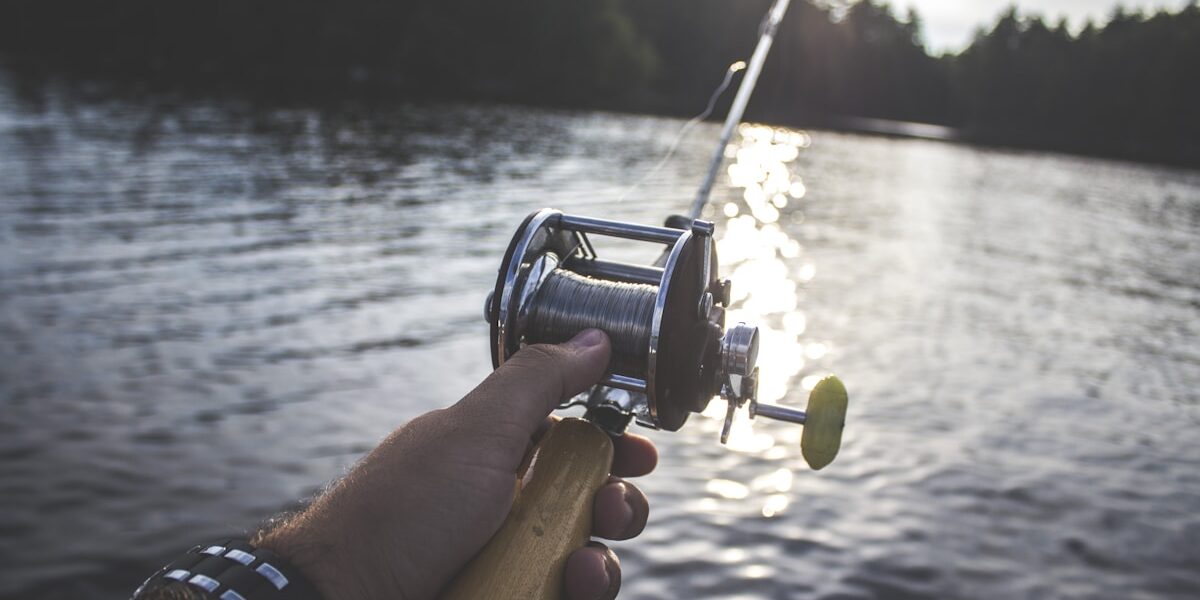
Bait selection is one of those topics where the noise level is way out of proportion to the actual complexity. I’ve been fishing long enough that I’ve watched people spend an hour at a tackle shop agonizing over lure color while the fish were actively feeding on something completely different ten feet from the bank. Here’s the actual framework for choosing bait, stripped down to what matters.
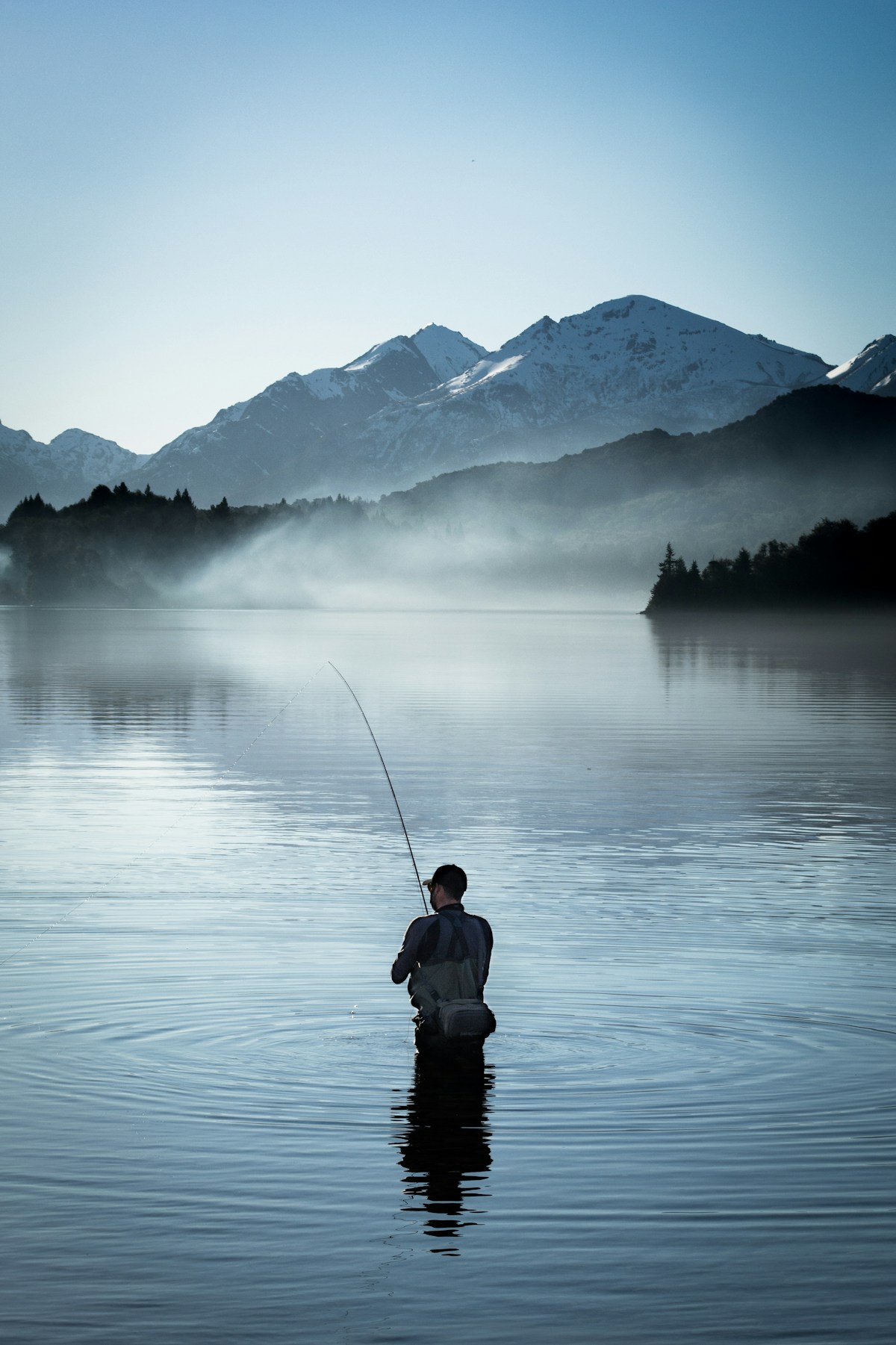
Natural vs. Artificial: The Real Tradeoff
Natural bait — worms, minnows, insects, cut bait, shrimp — works because fish evolved to recognize and eat these things. It produces scent, movement, and texture that are genuinely hard to replicate artificially. The downside is that natural bait requires more handling, storage, and replacement. You’ll go through it faster than you expect.
Artificial bait — lures, jigs, flies, soft plastics — is convenient, reusable, and in many situations just as effective. The best artificial presentations have gotten remarkably good at replicating the action and profile of natural prey. The downside is that they require more active presentation to work; natural bait can sit in the water and do its own thing while a lure needs you to make it move correctly.
Neither category is universally better. The choice depends on what you’re targeting, where you’re fishing, and how much you want to work for the fish.
Natural Bait That Consistently Works
- Worms: Probably the most versatile natural bait in freshwater. Nightcrawlers on a hook, fished on the bottom or under a float, will catch bass, trout, catfish, perch, and dozens of other species. Red wigglers work particularly well for smaller fish. There’s nothing elegant about it, but it flat-out works.
- Minnows: Live minnows are the go-to for walleye, bass, pike, and larger trout. They move naturally, they produce scent, and they look exactly like what those fish eat every day. Hook them through the lips for the most natural presentation. Keep them in a livewell with aeration if you’re storing them in warm weather.
- Insects: Crickets and grasshoppers are underused by most freshwater anglers, but they’re deadly for panfish and trout during summer. They’re especially effective in streams where terrestrial insects fall into the water naturally — fish are conditioned to look for them in those environments.
Artificial Bait Categories Worth Knowing
- Crankbaits and spinnerbaits: These cover water fast and trigger reaction strikes from active fish. Crankbaits wobble and dive to specific depths; spinnerbaits flash and vibrate. Both are better in murky or stained water where the flash and vibration compensate for low visibility.
- Jigs: The most versatile artificial option. A jig with the right trailer fishes the bottom effectively for bass, walleye, and saltwater species alike. The action comes from the angler — lift and drop, swim retrieve, drag — which is why they work in so many different situations.
- Soft plastics: Finesse worms, craws, swimbaits, flukes. The variety is enormous, and soft plastics have largely replaced traditional lures in many fishing situations because they’re cheap, versatile, and produce strikes from finicky fish that won’t touch hard baits.
- Flies: Designed to imitate aquatic insects, baitfish, crayfish, or even small mammals. Fly fishing is its own discipline, but the fundamental logic — present something that looks like what the fish is currently eating — applies to bait selection generally.
Reading the Water Before Choosing Bait
Water Clarity
Clear water means fish are using their eyes more and their lateral line less. In clear water, presentation quality matters — you want bait that looks realistic, moves naturally, and isn’t attached to visible heavy line. Natural bait shines here, and so do finesse plastics in natural colors. In murky or stained water, fish rely more on vibration and scent. Brightly colored lures with a strong rattle, or natural bait that releases scent, outperforms realistic-looking presentations that fish simply can’t see.
Water Temperature
Cold water slows fish metabolism and reduces their willingness to chase fast-moving prey. I’m apparently a smaller, slower presentation person in cold conditions and that approach works for me while fast-moving aggressive retrieves never have in winter. Small jigs, slow-rolled soft plastics, or natural bait on a slack line outperforms active presentations when water temperatures drop below 50 degrees. In warm water, fish are active, their metabolism is elevated, and they’ll chase bait. Faster retrieves and larger profiles make sense.
Water Structure
Where fish sit determines what they’re eating. Fish holding near vegetation are likely feeding on insects, crayfish, and small baitfish that live in that habitat. Fish in open water are chasing baitfish schools. Fish on rocky bottom structure are eating crayfish and small perch. Match your bait to what’s actually living in the structure you’re fishing, not just what worked at a different spot.
Matching Bait to the Fish You’re After
Freshwater Species
Bass eat nearly everything — crayfish, baitfish, frogs, large insects — which is why so many different artificial presentations work on them. Crankbaits, spinnerbaits, soft plastics in craw and creature profiles, and live minnows all have their place depending on season and conditions. Trout are more selective, preferring insects and small fish. In streams, they’re often keyed in on specific hatch activity that determines what fly or artificial will work. Catfish respond to scent above all else — stinkbaits, chicken liver, cut bream, and nightcrawlers fished on the bottom in areas with slow current or no current at all.
Saltwater Species
Redfish eat shrimp, crabs, and small baitfish. The classic setup is a live shrimp under a popping cork in shallow grass flats, but soft plastic shrimp imitations and gold spoons work well on them too. Snapper are opportunists — they’ll eat sardines, squid, cut bait, and jigs fished near structure. Flounder are ambush predators that sit on the bottom and eat whatever drifts past: live minnows, shrimp, and vertically jigged soft plastics all produce on them.
Adjusting by Season
Spring
Water is warming, fish are moving shallow, many species are spawning or pre-spawn feeding. They’re aggressive and looking to eat. This is when you can get away with a lot — various presentations work because the fish want to feed. Match the hatch where possible, but don’t overthink it. Live worms, minnows, and medium-sized crankbaits all produce.
Summer
Early morning and late evening are the productive windows. Fish move deep during midday heat and are less willing to eat. Surface lures work during low-light periods when fish are shallow and active. During the middle of the day, go deep with jigs, worms on Carolina rigs, and deep-diving crankbaits that reach the thermocline.
Fall
The best season for many species. Fish are actively feeding to put on weight before winter, baitfish schools are concentrated near shore, and a larger profile bait that matches dying or disoriented prey produces reliably. This is when I switch to larger swimbaits and minnow-profile crankbaits. The fish aren’t picky in fall — they’re eating.
Winter
Scale down. Everything. Smaller hooks, smaller baits, slower presentations. A 1/8-ounce jig crawled along the bottom catches fish in winter that won’t look at a half-ounce football head. Focus on deeper water where temperatures are more stable. Patience matters more than any specific bait choice. The fish are there — they’re just not willing to move far to eat.
The honest truth about bait selection is that the right bait in the wrong place produces nothing, and the wrong bait in the right place sometimes produces fish. Location first, then presentation, then specific bait choice. In that order.


Stay in the loop
Get the latest fishing tales journal updates delivered to your inbox.