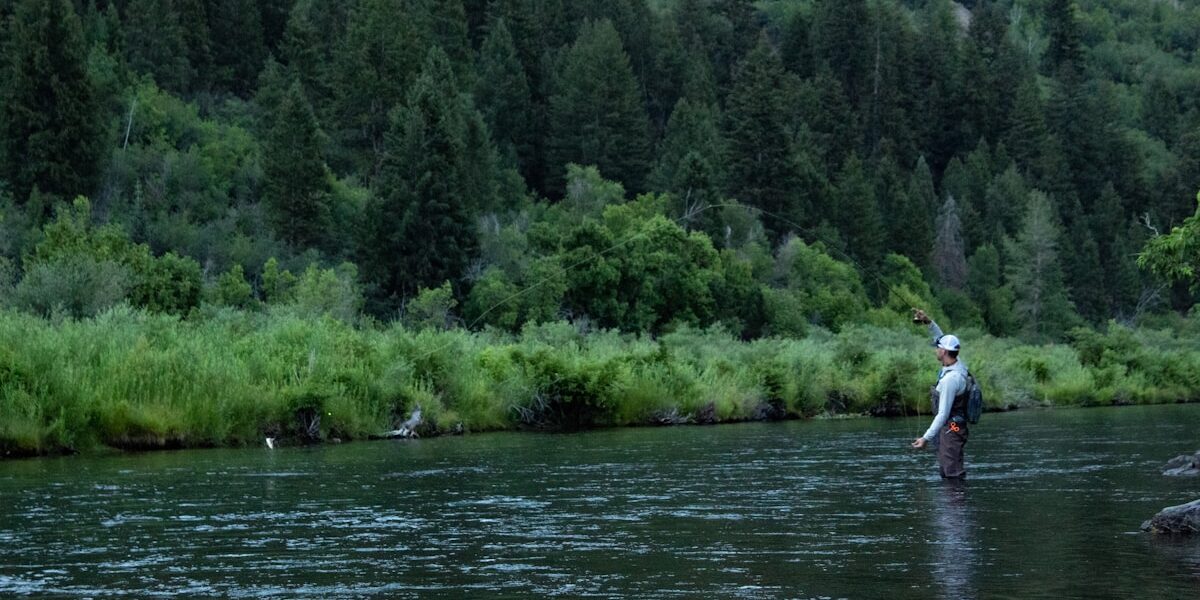
Beginner Fishing Tips
Fishing has gotten complicated with all the gear recommendations and technique advice flying around online. But there are things I wish someone had told me at the start that would have saved me a lot of frustration. Today I’ll share those things.
Choosing the Right Gear
The temptation for beginners is to start with too much. Resist it. A simple spinning rod and reel combo will handle everything you need as a new angler, and spinning gear is forgiving in ways that baitcasting gear isn’t. You’ll learn casting mechanics without dealing with backlashes. Medium-weight is the right starting point — it’s versatile enough for bass, panfish, trout, and most freshwater situations you’ll encounter.
Rod and Reel Selection
A 6-7 foot medium spinning rod matched to a size 2500-3000 spinning reel is the setup I’d recommend to anyone starting out. This combination is manageable, casts well with lighter presentations, and handles a wide range of fish sizes without being overwhelmed. Shimano and Daiwa both make excellent entry-level combos in the $60-100 range that will last for years.
Choosing the Right Line
Monofilament is the beginner’s friend — it’s easy to tie knots in, stretches enough to absorb the shock of a strike, floats naturally, and is inexpensive enough that replacing it regularly doesn’t hurt. Start with 8-10 pound test, which handles most freshwater species without excessive line diameter affecting casting distance. When you’re comfortable with mono and want to upgrade, 10-pound braided line with a fluorocarbon leader is the next step.
Basic Tackle and Tools
A basic tackle box doesn’t need to be elaborate. These are the things that should be in it:
- Hooks: Size 6-10 hooks cover most freshwater situations. Buy more than you think you need — you will lose them.
- Sinkers: Split shot sinkers are the most versatile starting point. They attach and remove without re-rigging and let you adjust weight on the fly.
- Bobbers: Small round bobbers do the job clearly and attach easily. You don’t need anything fancy here.
- Lures: A few spinners and some soft plastic worms will serve you well in most freshwater conditions until you develop more specific preferences.
- Tools: Needle-nose pliers are essential for hook removal and worth having on your person at all times. A small sharp knife for cutting line and preparing bait rounds out the basics.
Understanding Your Fishing Location
Where you fish matters as much as how you fish. Research local spots before you go — public fishing access areas, parks with fishing piers, stocked ponds and streams, and state-run fishery programs are all good starting points. Different water bodies hold different species, and understanding what’s available changes your bait and technique choices entirely.
Learning the Water
Fish don’t distribute themselves randomly. They congregate near structure — submerged rocks, fallen timber, weed edges, dock pilings, bridge footings — and along depth changes where food concentrates. Before you cast, look at the water. Identify the spots that would make sense for a fish looking for cover and ambush opportunity. Then fish those spots rather than the open water between them.
Time of Day
Early morning and late afternoon are when most freshwater fish are most active. In summer especially, midday fishing in bright sun is often slow — fish push deeper or tuck into shade and stop feeding aggressively. Two hours after sunrise and two hours before sunset are reliable windows that will produce more fish than six hours of midday effort.
Bait Selection
Live bait is the most reliable starting point for beginners because it does a lot of the work for you — the natural movement, scent, and appearance are difficult to replicate artificially. That said, artificial lures are convenient and often highly effective once you understand the basics.
Live Bait
Nightcrawlers are the all-purpose option — they catch bass, bluegill, crappie, catfish, and trout, and you can find them at virtually any bait shop. Minnows attract larger predators like bass and walleye when fished correctly. Crickets are particularly effective for perch and bluegill in pond and lake situations. I’m apparently more of a live bait angler than I realized, and it’s because it works consistently even when you’re still figuring things out.
Artificial Lures
Soft plastic worms and grubs are excellent starting lures because they’re versatile, inexpensive, and produce fish in a wide range of conditions. Spinnerbaits create flash and vibration that trigger reaction strikes — useful when you need to cover water. Jigs shine in deeper water or when fish are holding tight to bottom structure. Start with a few of each and learn what conditions each excels in.
Basic Fishing Techniques
There are three mechanical skills that form the foundation of everything else: casting, setting the hook, and reeling in. None of these are complicated, but all of them improve with deliberate practice.
Proper Casting
On a spinning reel, grip the rod firmly with the reel below your hand, hold the line against the blank with your index finger, flip open the bail, and use a smooth two-stage motion — rod back, rod forward — releasing the line with your finger at the moment the rod tip points toward your target. The key word is smooth. Jerky casting generates inconsistent results and tangles. Practice in a park before fishing if you need to build the muscle memory without the pressure of a fishing situation.
Setting the Hook
When you feel a bite, don’t jerk immediately — give the fish a second to commit, then sweep the rod upward firmly. The motion should be decisive but not violent. Too light and the hook doesn’t penetrate; too hard and you pull the bait out of the fish’s mouth or break the line. The right hook set becomes intuitive fairly quickly with experience.
Reeling In
Keep steady tension on the line and reel at a consistent moderate pace. If the fish makes a strong run, let it — this is what the drag is for. Trying to overpower a running fish usually results in a broken line. Let the fish tire itself out, then resume reeling when it slows. Smooth, steady pressure beats brute force every time.
Handling Caught Fish
Wet your hands before touching any fish you plan to release — the slime coat that protects them from infection can be removed by dry hands, and a few seconds of this preparation makes a real difference in survival rates. Handle fish horizontally and support their weight rather than lifting them vertically by the lip if they’re larger fish, which can injure their jaw structure.
Using the Right Tools
Needle-nose pliers for hook removal make this process faster and more humane for the fish. If a fish has swallowed a hook deeply — past the lip and into the throat — the best outcome is to cut the line as close to the hook as possible rather than digging for it. Hooks dissolve or work free on their own over time; the injury from forced removal is often more damaging.
Releasing Fish
If you’re practicing catch and release, hold the fish in the water and let it rest until it swims out of your hand under its own power. Don’t toss it. A fish that needs a few seconds to recover in the current before swimming away is normal — one that floats sideways needs to be supported longer or gently moved back and forth to circulate water through its gills.
Learning and Adapting
Fishing rewards patience and observation more than any other quality. The anglers who catch the most fish aren’t always the most technically skilled — they’re the ones who pay attention to what’s happening around them and adjust accordingly. Watch the water, watch the sky, notice what other species of wildlife are doing, and let that inform your approach.
Watching and Learning
Watching experienced anglers in action is worth more than reading most instructional content. You can see the casting motion, the retrieve rhythm, how they read the water, how they handle fish. If you have the opportunity to fish with someone who’s been doing it for decades, take it and ask questions. Most experienced anglers enjoy talking about their methods if you approach with genuine curiosity.
Experimenting with Techniques
If something isn’t working after a reasonable time, change it. Different retrieve speed, different bait, different depth, different location. The willingness to adapt is what separates anglers who catch fish consistently from those who come home empty-handed and blame the water.
Respecting the Environment
Pack out everything you brought in, including monofilament line — it’s invisible in grass and deadly to wildlife. Follow size and bag limits without looking for loopholes. Release fish properly. Leave spots cleaner than you found them. The fishing will be better for everyone, including you, if the places you fish are maintained and protected.
Staying Safe while Fishing
This deserves its own section because it’s easy to underestimate when you’re excited to get on the water. Appropriate clothing — layers in spring and fall, sun protection in summer, waterproof footwear near moving water — matters. Polarized sunglasses protect your eyes from hooks and UV radiation while also reducing surface glare so you can see into the water. A basic first aid kit for cuts and hook punctures is worth having. And tell someone where you’re going and when you expect to be back, especially if you’re fishing alone in remote areas.
Fishing is one of those activities where the ceiling for skill and knowledge is essentially unlimited, but the floor for having a good time is remarkably low. You don’t need to be expert to enjoy it. Start simple, pay attention, and the rest follows naturally.
If the float will not stay up, use the two-minute bobber troubleshooting test before changing the entire rig.
For bottom fishing, our channel catfish rig guide shows the sinker, swivel, leader and circle-hook order with official state-agency examples.


Stay in the loop
Get the latest fishing tales journal updates delivered to your inbox.