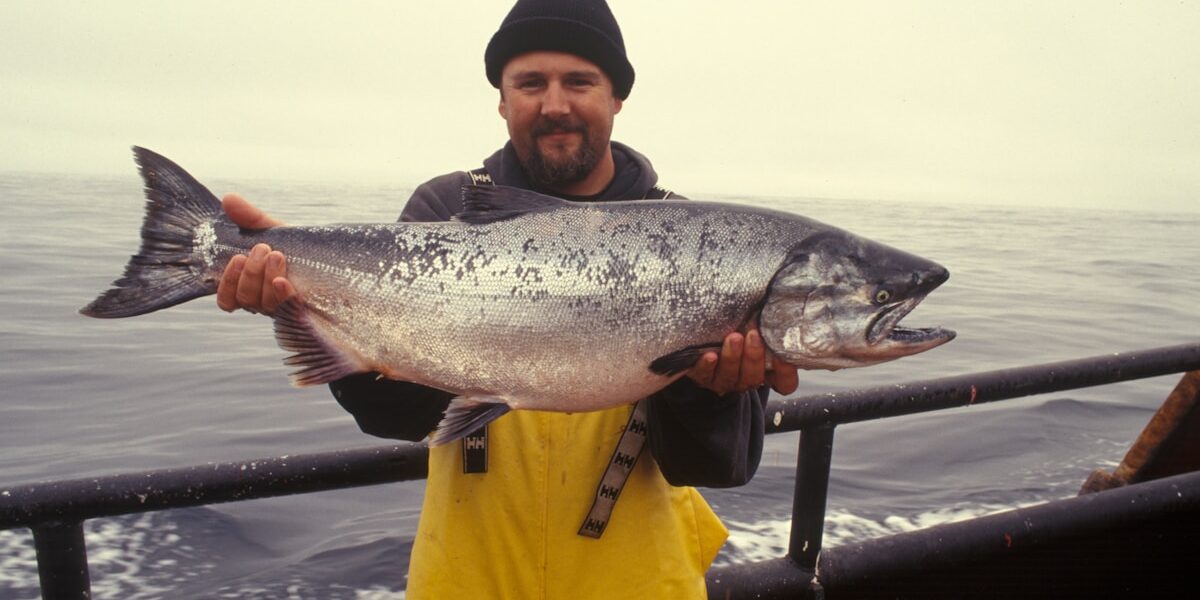
Fishing has been practiced on every inhabited continent for tens of thousands of years, and the record books reflect that history in the best possible way — extraordinary catches from waters most anglers will never see, by people who were simply in the right place with the right skills at the right moment. Here are some of the fishing stories from around the world that have stayed with me.
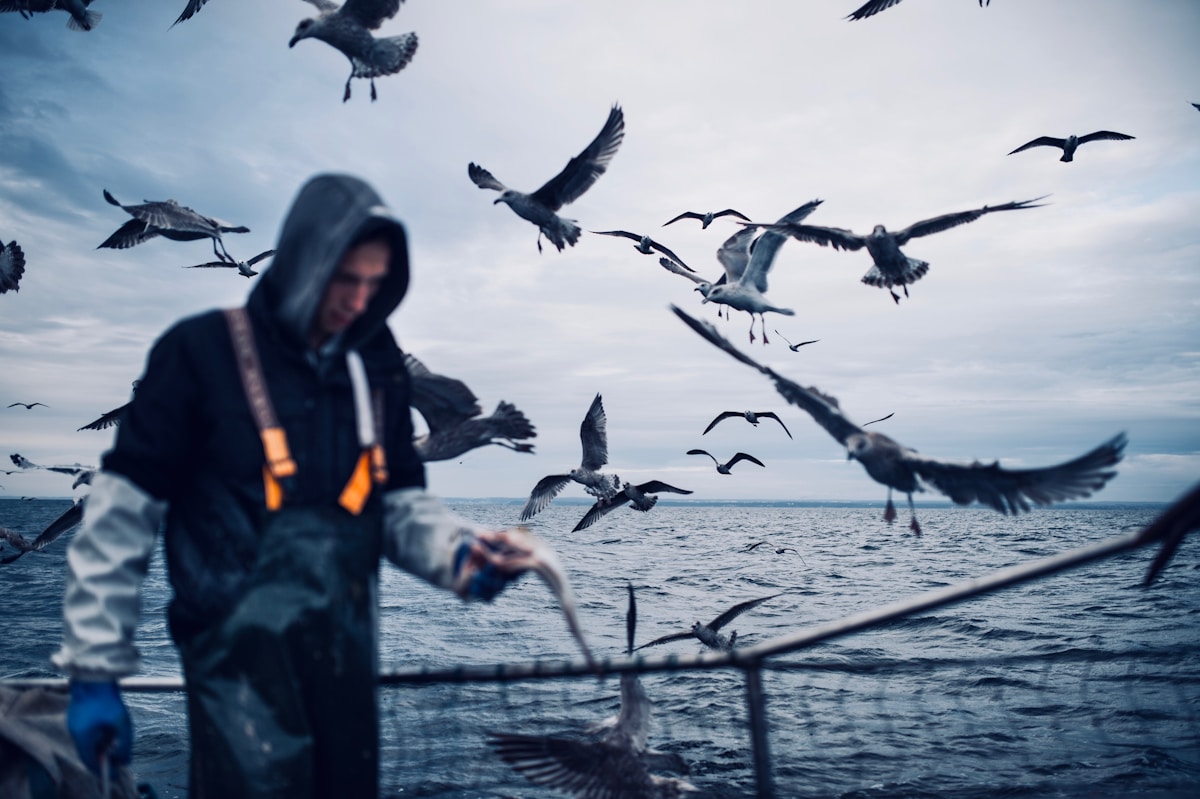
The Bluefin Tuna off Nova Scotia
Off the coast of Nova Scotia, the cold, productive waters of the North Atlantic concentrate Bluefin Tuna in ways that attract serious anglers from around the world. In 2019, a fisherman named Dave McManus was working those waters when he connected with a 1,496-pound Bluefin that broke previous records. Bluefin Tuna are genuinely difficult fish. They swim close to 50 miles per hour, they fight hard and long, and landing one of that size requires both physical endurance and technical skill. The fact that they command prices in the tens of thousands of dollars per fish adds a layer of significance that turns every large catch into an event.
The Monster Catfish of the Mekong
The Mekong Giant Catfish is one of the largest freshwater fish species on the planet, and it’s now critically endangered. In 2005, Thai fishermen pulled in a specimen weighing 646 pounds and measuring nearly nine feet. That catch provided researchers with crucial biological data on a species disappearing from its native river system due to overfishing, habitat alteration, and hydroelectric dam construction across the Mekong basin. The fish was reportedly released after measurements were taken, though the species’ long-term survival remains in serious doubt.
Three Blue Marlins in One Day off Florida
Blue Marlin fishing off Florida’s Atlantic coast demands everything from the angler — stamina, reflexes, solid tackle, and a reliable crew. These fish top out around 60 miles per hour, they jump, they run, and they don’t give up easily. The story of a fishing team landing three Blue Marlins in a single day, with the largest at 800 pounds, stands as a measure of how productive those offshore waters can be when conditions align. Three fish in one day is extraordinary. Most dedicated Marlin anglers go years between good hookups on fish that size.
Jeremy Wade and the Amazon Arapaima
Biologist and extreme angler Jeremy Wade spent years finding and documenting the largest, most unusual freshwater fish in the world, and the Arapaima of the Amazon is one of the species that defined his work. These fish can reach 15 feet in length and nearly 500 pounds. They’re air-breathers — they have to surface every few minutes — which local fishermen have used as a locating strategy for centuries. Wade’s documented catch of a large specimen highlighted both the biological uniqueness of the species and the challenges of fishing in remote Amazon tributaries, where documenting fish properly requires significant preparation.
Scotland’s River Tay Salmon Record
Scottish salmon fishing on the Tweed, Spey, and Tay has a history stretching back before records were kept, and the catches from those rivers still hold up. A 64-pound Atlantic Salmon taken from the River Tay in 1922 remains one of the largest ever caught in the United Kingdom — taken by Georgina Ballantine, at a time when the sport was dominated by men and the press was slow to give her proper credit. That record has stood for over a century. The Tay still produces exceptional salmon, though the runs are significantly smaller than they were a hundred years ago.
New Zealand’s 109-Pound Kingfish
New Zealand Kingfish — Yellowtail Amberjack — are some of the hardest fighting fish in the country’s waters. They’re strong, fast, and when they decide to run for the bottom or a reef, they have enough power to break inadequate tackle. In 2013, an angler near White Island landed a 109-pound Kingfish that confirmed what local anglers already knew — the waters around the North Island hold Kingfish at sizes not common elsewhere. White Island is an active volcano rising from the Bay of Plenty, which adds appropriate drama to the setting.
Antarctic Toothfish in the Southern Ocean
Fishing in Antarctica is not sport fishing. It’s scientific and commercial work carried out in some of the most hostile conditions on Earth — extreme cold, unpredictable weather, sea ice, and swells that make most ocean conditions look calm. The Antarctic Toothfish, known on restaurant menus as Chilean Sea Bass, produces antifreeze proteins in its blood that let it live in water that would freeze the blood of most other fish. In 2014, a fishing vessel operating under scientific permit landed a 200-pound specimen that provided researchers with data on a species still not fully understood. It lives deep, grows slowly, and is subject to ongoing conservation management to prevent the collapse that’s already happened to other deep-sea species.
Norway’s 103-Pound Cod
Norwegian Cod fishing around Soroya Island is what serious cold-water fishing looks like. In 2013, a fisherman hooked a 103-pound Atlantic Cod — a reminder of what these fish can reach in productive, well-managed northern waters. The Lofoten Islands fishery, where cod migrate annually in large numbers, is one of the oldest continuously operated commercial fisheries in the world. Norwegian fishing culture is built around cod in ways that run deep — the fish appears in the country’s economic history, its cuisine, and its coastal architecture in the form of drying racks dating back centuries.
Australia’s Record Barramundi
The 98-pound Barramundi taken from a remote river in Arnhem Land in 2016 set a new Australian record and demonstrated what the Northern Territory’s protected, remote waterways can produce when fishing pressure stays low. Barramundi are spectacular fish to catch — they jump repeatedly during the fight, they’re strong, and they can reverse their sex as they age, transitioning from male to female as they grow larger. The most remote rivers in Arnhem Land are accessible only by permit through Aboriginal land councils, which limits pressure and keeps the fish quality high.
Japan’s Tuna Economy
The 612-pound Bluefin Tuna that sold for a record-breaking sum at Tokyo’s Toyosu market in 2020 tells a story about demand and culture as much as fishing. Japan consumes more tuna than any other country, and the premium placed on large, high-fat Bluefin — particularly for sashimi and high-end sushi — drives prices that are incomprehensible by most sportfishing standards. The annual first auction at Toyosu has become a media event. The fish was caught in the waters around the Tsugaru Strait, where cold and warm currents mix to concentrate baitfish and the tuna that follow them.
Peru’s Deep-Sea Swordfish
Peruvian offshore waters run cold and productive due to the Humboldt Current, which pushes cold, nutrient-rich water north along the South American coast. That current supports enormous populations of anchovies and sardines, which in turn support larger predators including Swordfish. In 2015, fishermen working out of Paita landed a 480-pound Swordfish — a catch requiring specialized deep-sea gear, knowledge of ocean temperature gradients, and the physical endurance that deep dropping for large billfish demands. Peru’s offshore fishery remains less internationally known than comparable fisheries in Costa Rica or Mexico, which means less pressure and, in some areas, exceptional fishing.
Russia’s Pike on Lake Ladoga
Northern Pike in Russia’s larger lakes and rivers grow to sizes that anglers in Western Europe and North America rarely see. Lake Ladoga, the largest lake in Europe, sits in northwestern Russia and holds pike that have had decades to grow undisturbed in cold, productive water. The 55-pound pike landed there in 2013 is the kind of fish that circulates in fishing publications for years. Pike are aggressive predators — they hit hard, they’re fast in the short run, and their teeth will go through light line without warning. A fish that size, in that water, on appropriate gear is a full-day experience.
Kenya’s Sailfish Records
The Indian Ocean off Kenya’s coast is one of the most productive sailfish destinations in the world. In 2018, a fishing team set a record by catching 62 sailfish in a single day — a number requiring the kind of sustained, coordinated effort that elite sport fishing operations are built for. Sailfish reach speeds over 30 miles per hour and jump repeatedly when hooked. Kenya’s deep-water access, warm temperatures, and consistent seasonal bait concentrations create conditions that draw these fish in remarkable numbers.
Chile’s Patagonian Brown Trout
Patagonian Chile holds some of the best brown trout fishing in the Southern Hemisphere, and the Baker River has produced fish that rival anything coming out of New Zealand or Argentina. A 36-pound brown trout taken from the Baker in 2015 set a Chilean national record. The Baker drains Lago General Carrera through a landscape so remote that most access points require charter flights or multi-day drives on unpaved roads. That remoteness protects the fishing, and the clear, cold water produces trout that are both large and in extraordinary condition.
Pakistan’s Golden Mahseer
The Golden Mahseer of Pakistan’s Indus River system has been celebrated in South Asian angling literature for centuries. Rudyard Kipling wrote about mahseer fishing in India, and the tradition carries forward today in both countries. These fish combine the strength of a large carp with a harder, more aggressive fighting style, and they live in fast, rocky river environments that make them difficult to reach and land. A 76-pound Mahseer caught from the Indus in 2017 highlighted both the potential of those rivers and the conservation ethic among local anglers who practice catch and release to maintain populations under increasing pressure.
Bahamas Bonefish on the Flats
Bonefish are called the ghosts of the flats because they’re nearly invisible in shallow water and spook at almost nothing. They don’t grow large by most fishing standards, which is what makes a 14-pound Bonefish caught on the Bahamas flats in 2019 notable. Most Bahamas bonefish run 4 to 8 pounds. A 14-pounder is a fish that experienced bonefishing guides remember for years. The clear, warm water of the Bahamian flats is the definitive sight-fishing environment — you spot the fish before you cast, and the stalk is as much of the experience as the catch.

Stay in the loop
Get the latest fishing tales journal updates delivered to your inbox.