How to Maintain Your Fishing Gear
Gear maintenance has gotten more complicated with all the modern materials, specialty lubricants, and manufacturer-specific instructions flying around. Today, I’ll share it all with you.
Cleaning Your Rods and Reels
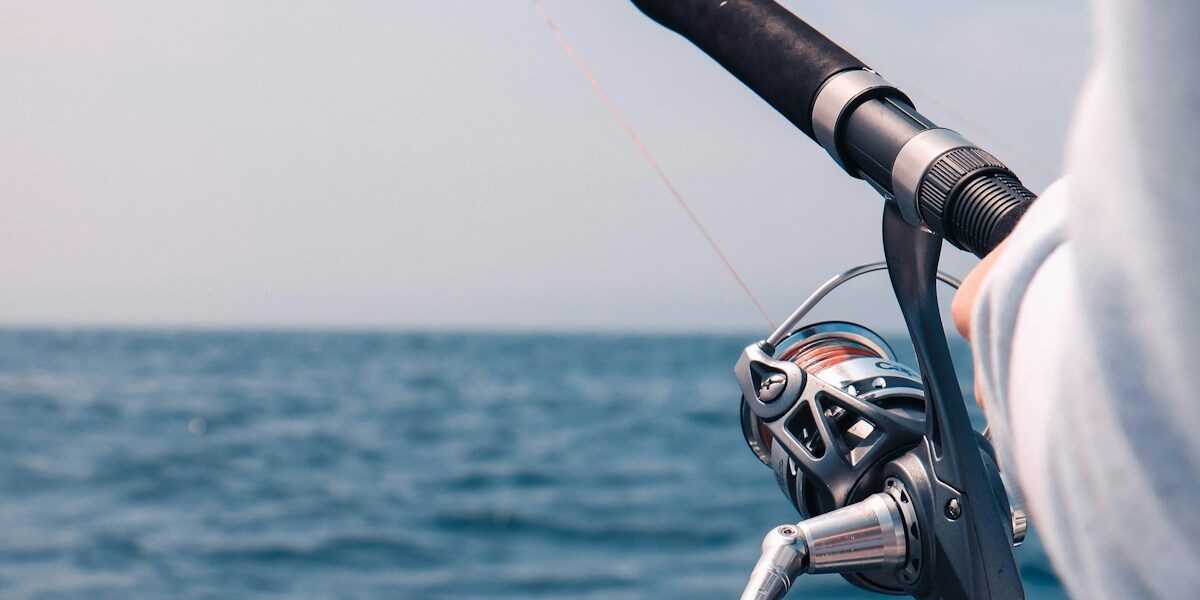
After every trip, rinse your rods and reels with fresh water. Don’t use a pressure washer or a hard spray — gentle flow, not force. Salt, sand, and biological debris (algae, fish slime) cause corrosion and wear when left to sit. Pay attention to the guides, the reel seat threads, and the bail mechanism on spinning reels. Dry everything thoroughly with a soft cloth and let it air-dry before putting it away in a rod sleeve or case.
For deeper cleaning, disassemble your reels once or twice a season — more if you’re fishing saltwater. Remove old grease and grime with a soft brush and warm soapy water, rinse all components with fresh water, dry completely, then reassemble with fresh reel grease on the gears and light reel oil on the bearings and line roller. Use what the manufacturer specifies; Penn, Shimano, and Daiwa all make their own lubricants that are formulated for their tolerances.
Inspecting Line and Leaders
Check your line regularly and be ruthless about replacing it. Run your fingers along the first 20 feet of mono or fluorocarbon after each trip, feeling for nicks, abrasions, and rough spots. If you find them, cut back past the damage. Monofilament line — Berkley Trilene XL, Stren Original, whatever your preference — degrades from UV exposure and should be replaced every season regardless of how much fishing you did. Braided line lasts longer but still needs inspection. A frayed braid in the first few feet is a breakoff waiting to happen.
Leaders and fluorocarbon tippets get abraded faster than the main line because they’re the part that touches structure, rocks, and fish teeth. Check them after every significant fish and after any time the line drags through gravel or wood. Replace them when they show wear. It takes thirty seconds and saves a fish you’d otherwise lose.
Caring for Hooks and Terminal Tackle
Hooks should be sharp. Test them by dragging the point across your thumbnail — a sharp hook catches; a dull one skids. Use a small hook file or a ceramic sharpening rod to touch up points before they get bad enough to cause missed fish. Rinse your hooks and terminal tackle with fresh water after every trip, dry them thoroughly to prevent rust, and store them in a tackle box with anti-rust tabs or a small packet of silica gel to manage moisture. Organized tackle finds things faster and shows you what needs replacing before you’re standing at the water realizing you’re out of size 1/0 circle hooks.
Maintaining Your Rod Tips and Ferrules
Rod guides and tip tops develop grooves over time, especially with braided line — that sharp UHMPE material cuts into ceramic and aluminum oxide faster than mono would. Run a cotton swab through each guide and check for roughness; a rough guide frays line. Damaged guides can be replaced at a rod-building shop for a few dollars, which is far cheaper than a broken line and a lost fish. Ferrule connections — the male-female joint on multi-piece rods — should fit snugly without play. Clean them with a cotton swab dipped in isopropyl alcohol every few trips to remove oxidation and grime.
Preserving Waders and Boots
After fishing, rinse waders and wading boots with fresh water and hang them to dry in a shaded, ventilated area. Never fold waders for storage — roll them loosely or hang them flat. Folds create stress creases that eventually become leaks. Check for pinholes periodically: fill the waders with water from a garden hose, or in a dark room, shine a flashlight inside and look for light transmission through the fabric. Repair small leaks with aquaseal or the appropriate adhesive for your wader material before they become big leaks at inconvenient moments.
Handling Lures and Fly Gear
Wash hard lures after each trip with fresh water and a soft brush, then dry them before putting them back in your tackle box. Inspect the treble hooks on crankbaits and jerkbaits — rust spreads from one hook point to the whole lure faster than you’d expect, and hook replacement is straightforward with a pair of split-ring pliers. For fly gear: clean fly lines with warm soapy water once or twice a season, rinse well, and apply fly line dressing to maintain shootability. Store flies in a ventilated fly box so they can dry completely between trips — wet flies stored in a closed foam box develop mildew and hook rust.
Battery Maintenance for Electronic Gear
Fish finders, trolling motors, and depth sounders all depend on battery health. Keep batteries on a maintenance charger (a Battery Tender or similar) between trips rather than letting them sit fully discharged. Deep-cycle marine batteries lose capacity faster when repeatedly discharged below 50 percent. Clean battery terminals with a baking soda and water solution to prevent corrosion buildup, then coat them with terminal protector spray. Store batteries in a cool, dry place — not in an unheated garage in Minnesota in January if you want them to survive the season.
General Tips for Gear Storage
Store rods indoors, on a rod rack that keeps them horizontal or hung vertically by the handle. Never lean rod tips against a wall for extended periods — it introduces a permanent bend. Keep fishing line out of direct sunlight: UV degrades monofilament significantly faster than water or use does. Store electronics in padded cases. Close your tackle box securely every time, not just when you’re done for the day. One more thing: inspect gear at the end of each season and again at the beginning of the next. Finding a corroded reel in March gives you time to fix it. Finding it at 5:30 AM on opening day does not.

Stay in the loop
Get the latest fishing tales journal updates delivered to your inbox.