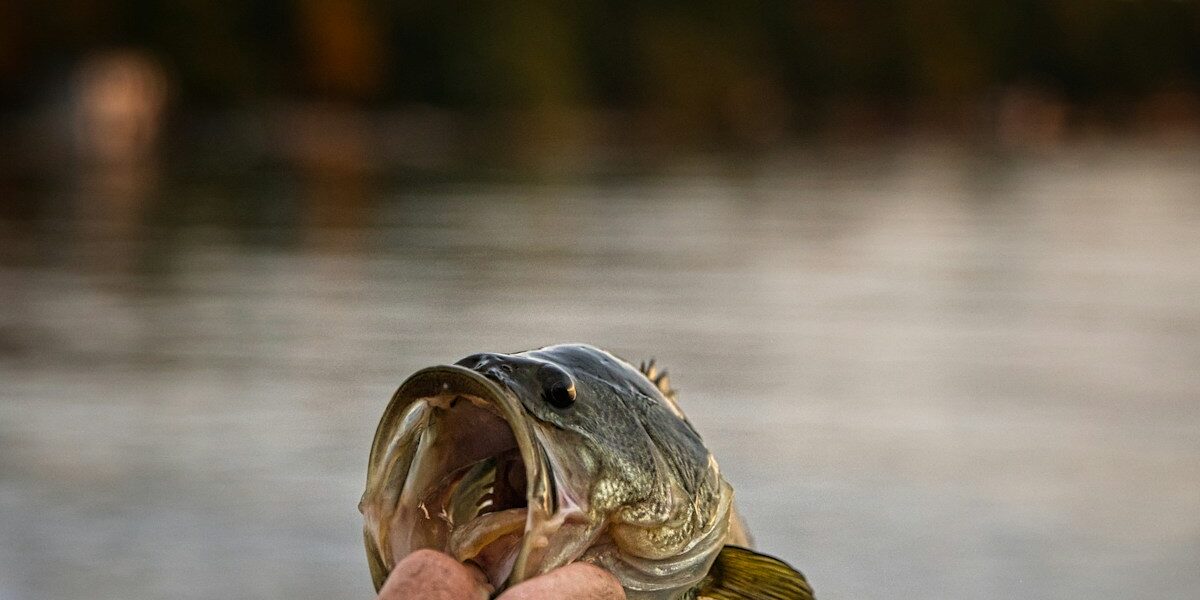
Ice fishing has gotten a reputation for being this meditative, patient experience where you sit still and wait for fish to find you. That’s partly true, but the anglers I know who consistently catch fish through the ice are constantly working — moving holes, changing presentations, dialing in depths. The techniques are different from open-water fishing, but the mindset of actively problem-solving is the same. Here’s everything I’ve found that actually matters.
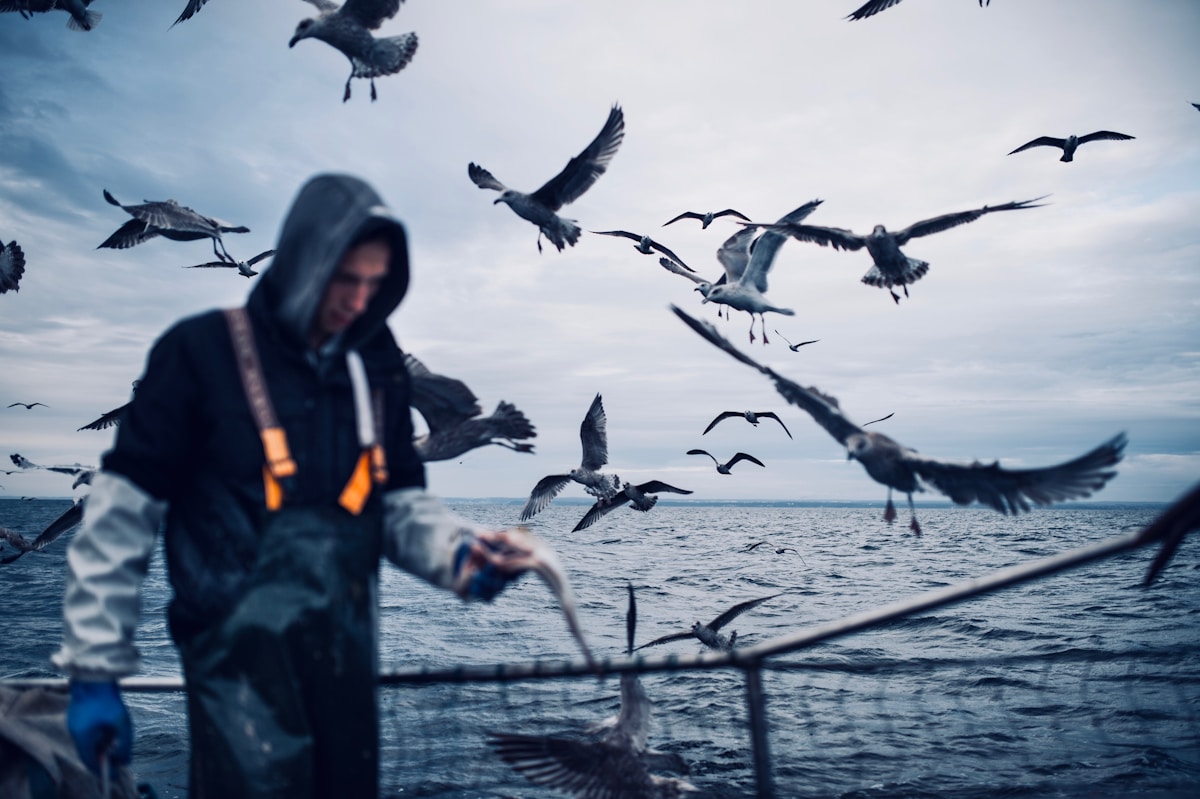
Jigging
Jigging is the most active ice fishing technique and, in my experience, one of the most consistently productive. Lower the jig to your target depth, lift it sharply a few inches, then let it flutter back down. That falling motion is what triggers strikes — it mimics a distressed baitfish in a way that fish under the ice can’t seem to ignore.
The key variable is the cadence. In very cold water, fish are sluggish and a subtle, slow lift with a long pause often outperforms aggressive popping. In slightly warmer conditions — late ice especially — you can be more aggressive. Start slow and speed up until you figure out what they want that day. A Jigging Rapala or small Northland Buck-Shot Spoon in 1/8 to 1/4 oz covers most situations.
Tip-Ups
Tip-ups let you fish multiple holes at once passively. The device sits over the hole, holds a baited line at your chosen depth, and pops a bright flag when a fish takes the bait. You’re free to jig an active rod somewhere else while your tip-ups do their thing in the background.
Live minnows are the go-to bait for most tip-up fishing. Rig the minnow through the back just behind the dorsal fin — it’ll swim naturally and cover a wider area. Set the depth based on structure and species; for walleye I’m usually 6-18 inches off bottom, for pike anywhere in the mid-column works. Check the line regularly and keep the hole from icing over.
Deadsticking
Deadsticking is the counterintuitive technique — you bait a hook or light jighead, set it at the right depth, and don’t move it. That’s it. In cold water when fish barely want to expend energy to chase anything, a completely still bait sitting in the water column is sometimes the only thing that’ll get a bite.
I run a deadstick rod alongside my active jigging rod pretty regularly. Put a small waxworm or single spike on a 1/32 oz jighead, set a small bobber so you can watch for any movement, and park it at the depth your electronics are showing fish. It’s a good secondary presentation when jigging isn’t producing.
Electronics
A flasher or fish finder changed ice fishing for me more than anything else. Before electronics, I was guessing at depth, guessing whether fish were there, and guessing whether my jig was anywhere near them. With a Vexilar FL-18 or a Marcum unit dropped down the hole, you can see your lure, see fish approaching it, and watch what happens when you change your presentation.
Underwater cameras like the Aqua-Vu take it a step further — you can actually see what species are investigating and how they’re reacting. It sounds like overkill until you watch a crappie inspect your jig and then turn away, and you realize your color or action is wrong. That kind of real-time feedback compresses the learning curve dramatically.
Light Tackle
Light tackle is probably should have been the first thing on this list, honestly — it’s that fundamental. Cold water slows fish metabolism, and their strikes are often a barely perceptible tick rather than a confident grab. Heavy line and a stiff rod transmit almost nothing. Light 2-4 lb monofilament or fluorocarbon on a sensitive 24-30 inch ice rod changes what you can feel entirely.
Fluorocarbon has a meaningful advantage here: it’s nearly invisible underwater and has virtually no stretch, which helps with both bite detection and hook sets. I run 3 lb Seaguar InvizX for most panfish and light jig applications. For walleye I’ll go up to 6-8 lb. Don’t underestimate how much the line weight matters.
Hole Hopping
Sitting on dead water is probably the most common mistake I see from ice anglers, and hole hopping is the fix. Drill a grid of 6-8 holes across a flat or point, hit each one for 5-10 minutes, and move on if you’re not marking fish on the flasher. Once you find where they’re holding, you can concentrate your effort there.
This is why a quality auger matters — spending 90 seconds drilling a hole with a hand auger versus 15 seconds with a power auger adds up fast when you’re covering water. On active days in the right location you can catch fish out of every hole; on tough days you need to cover distance to find the active fish at all.
Vertical Presentations and Depth
Ice fishing is essentially all vertical presentations, but the depth within the water column matters enormously. Start near the bottom and work up. Mark where fish are showing on your flasher and present your bait slightly above them — fish nearly always prefer to feed upward. If you’re marking fish that won’t bite, try a drop-shot rig to suspend bait exactly at their level, or go finer on your presentation.
The drop-shot setup works especially well for finicky crappie and perch. Tie your hook inline on a 6-12 inch leader above the weight and let it hover just off the bottom. The weight anchors while the bait moves naturally in any slight current.
Spoons and Custom Lures
Metal spoons — Swedish Pimples, Kastmaster spoons, Williams Wabler — produce that erratic flutter on the drop that triggers reaction strikes. They’re worth having in the box alongside your standard jigs, especially for perch and walleye. Color selection matters more than most people admit in the winter; chartreuse and glow patterns shine in low-light or stained water, while natural silver and gold work better in clearer conditions.
Don’t be afraid to modify lures. Swap out hooks for sharper ones. Add a single waxworm or spike to the hook as a sweetener. Apply a bit of scent to soft plastics. Small adjustments can flip a slow day into a productive one.
Safety First
Worth mentioning plainly: ice thickness is not something to guess at. Use a spud bar or ice auger to check thickness as you walk out — 4 inches of clear blue ice is the minimum for a single person on foot, 5-6 inches for a snowmobile, 8-12 inches for a small vehicle. New ice and white/opaque ice are weaker than clear ice of the same thickness.
Wear ice picks around your neck so you can pull yourself out if you break through. Bring a throw rope. Never go alone, especially on unfamiliar ice. Ice cleats on your boots prevent falls. None of this is overcautious; it’s just what experienced ice anglers do without thinking about it.
Regulations
Always check your state or provincial regulations before heading out. Line limits, species restrictions, season dates, and gear rules vary significantly by location and body of water. Most states have a free regulation booklet or app that covers everything. Five minutes of research before the season saves a lot of headaches.


Stay in the loop
Get the latest fishing tales journal updates delivered to your inbox.