Getting better at fishing isn’t something that happens by accident. It takes time on the water, some honest self-assessment, and a willingness to actually change what you’re doing when it isn’t working. I’ve been at this long enough to have made most of the beginner mistakes — and some of the intermediate ones too. Here’s what I’ve found actually moves the needle when you’re trying to become a more consistent angler.
Know Your Gear Before You’re on the Water
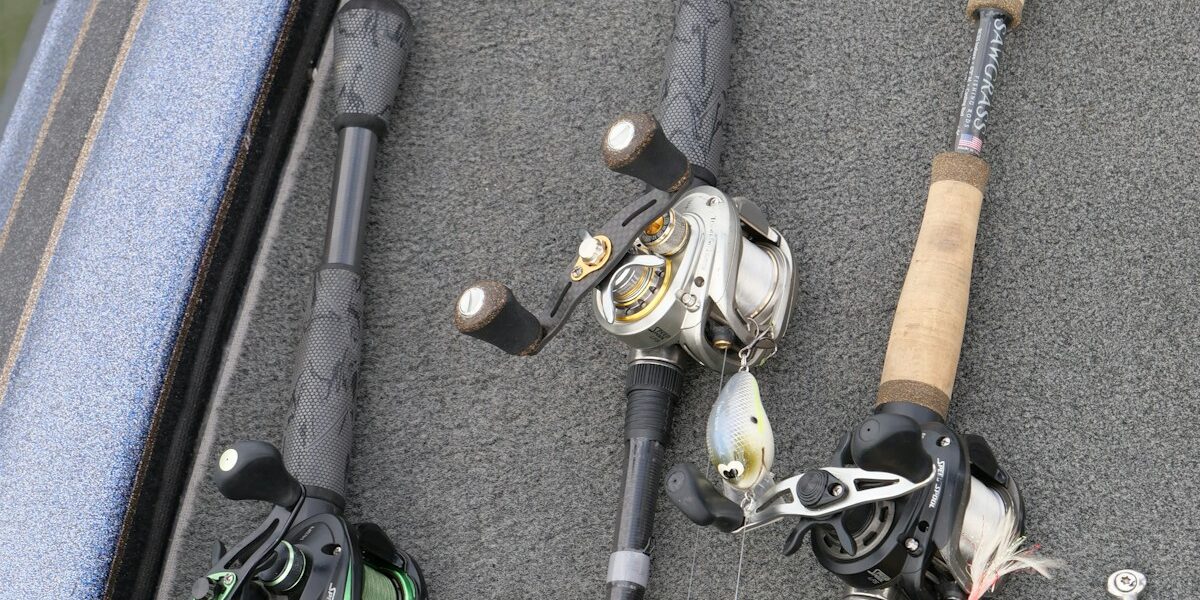
There’s nothing worse than fumbling with unfamiliar equipment when fish are actively feeding in front of you. Spend time with your tackle at home — understand the difference between spinning and baitcasting setups, know what line weight you’re spooled with and why, and practice your knots until you can tie them without thinking.
The Palomar knot and the Improved Clinch are the two I reach for most. Wet the line before cinching either one — dry line generates friction and heat that weakens the knot right where you need it most. A solid knot takes fifteen seconds. A bad one costs you a fish you’ll remember for years.
Study the Fish, Not Just the Water
This is where a lot of casual anglers leave improvement on the table. Fish behavior isn’t random — it’s driven by water temperature, time of day, season, and available food. Bass slow down when water temps drop below 50 degrees. Trout get lethargic in water above 68. Early morning and late evening are almost universally better than midday in summer. None of that is secret knowledge; it’s just worth knowing.
Spend some time researching the specific species you’re targeting on your local water. What do they eat there? Where do they stage in the spring versus summer versus fall? What depth are they typically holding? That context shapes every decision you make from where you launch to what you tie on.
Work on Your Casting
Accuracy matters more than distance for most freshwater fishing. The ability to drop a bait quietly within a foot of a specific piece of structure — a dock piling, a fallen tree, a rock ledge — is worth more than being able to bomb a cast 80 feet into open water. Practice both overhead and sidearm casts, and learn to read when each one serves you better.
One thing most beginners don’t think about: splash. A lure that crashes into the water spooks fish. A bait that lands soft and sinks quietly looks natural. Control your casting power. Sometimes feathering the line on the way down is what separates a strike from a spooked fish.
Match Your Bait to the Situation
Natural bait — worms, minnows, crickets — is hard to beat for getting bites when you’re learning, because the fish recognize it. Artificial lures require more technique to present convincingly, but they let you cover water faster and don’t require keeping anything alive. I’d suggest learning both rather than picking a side.
The key in both cases is matching the hatch. Watch what the fish are actually eating in that body of water. A small bluegill imitation on a lake full of bluegill will outperform an unrelated lure no matter how well you fish it.
Observe and Adapt
When something isn’t working, change it. Change the retrieve speed. Change the depth. Change the bait color. Move locations. The fish aren’t going to adjust to you; you have to adjust to them.
Pay attention to what other anglers around you are doing differently if they’re catching and you’re not. Watch the water surface for baitfish activity. Notice where birds are diving. Every trip is feeding you information if you’re paying attention.
Be Patient, But Not Passive
Fishing does require patience — but patience doesn’t mean sitting still hoping something changes. It means staying focused and deliberate over a long period of time, continuing to make thoughtful casts and adjustments even when bites are slow. The anglers I know who consistently catch fish aren’t the ones who sit back and wait; they’re the ones who keep working, keep experimenting, and stay mentally present even during slow stretches.
Keep Your Gear in Shape
Equipment problems are fixable problems that become fish problems. Rinse your rods and reels after every trip, inspect your line for damage, and sharpen your hooks regularly. A hook that’s lost its point doesn’t set, regardless of how good your technique is. This stuff takes ten minutes and pays off every trip.
Keep Learning
Fishing knowledge compounds. The more you understand about fish biology, local ecosystems, tackle mechanics, and technique, the more those pieces start reinforcing each other. Good fishing magazines, YouTube channels from actual anglers (not gear advertisers), and local fishing clubs are all worth your time. Ask questions. Most experienced anglers are happy to share what they know.
Log Your Trips
I started keeping a simple notes app log a few years ago — date, location, weather, water conditions, what I caught and what I didn’t, what worked. It sounds tedious but the patterns that emerge over a season are genuinely useful. You start recognizing that you always do well on overcast mornings at a particular spot, or that a specific lure stops working in August. That kind of pattern recognition is hard to build without some record to review.
Practice Catch and Release Properly
Use barbless hooks or crimp the barbs on your hooks — releases are faster, fish are less injured, and it doesn’t meaningfully affect your hookup rate if your technique is solid. Wet your hands before handling any fish. Hold them horizontally. Get them back in the water quickly, and hold them upright in the water until they kick out under their own power. The resource we’re fishing for is worth protecting.
Try Different Techniques
One more thing: don’t get locked into one style. If you’ve only ever done still fishing, try trolling. If you’ve only fished warm water, try a trout stream in spring. Different techniques build different skills that cross over and make you better across the board. It also keeps things interesting — which matters, because the anglers who keep improving are the ones who stay engaged.



Stay in the loop
Get the latest fishing tales journal updates delivered to your inbox.