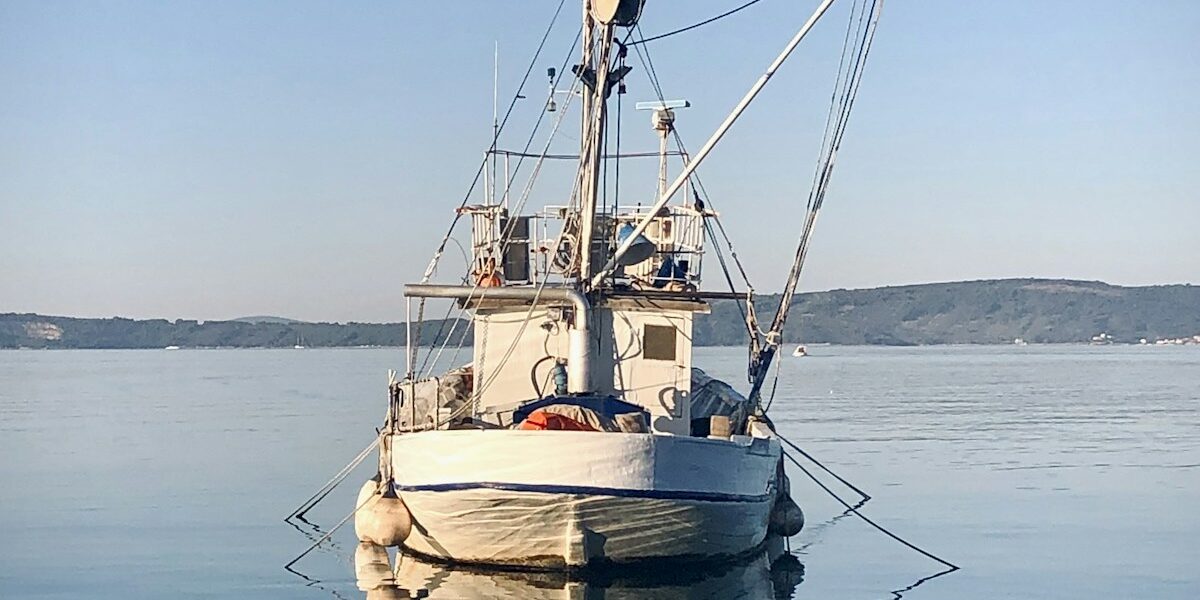
Finding good fishing spots has gotten more complicated and easier at the same time. There’s more information available than ever — apps, satellite maps, online forums — but the volume of it can be overwhelming. Here’s how to actually find where the fish are.
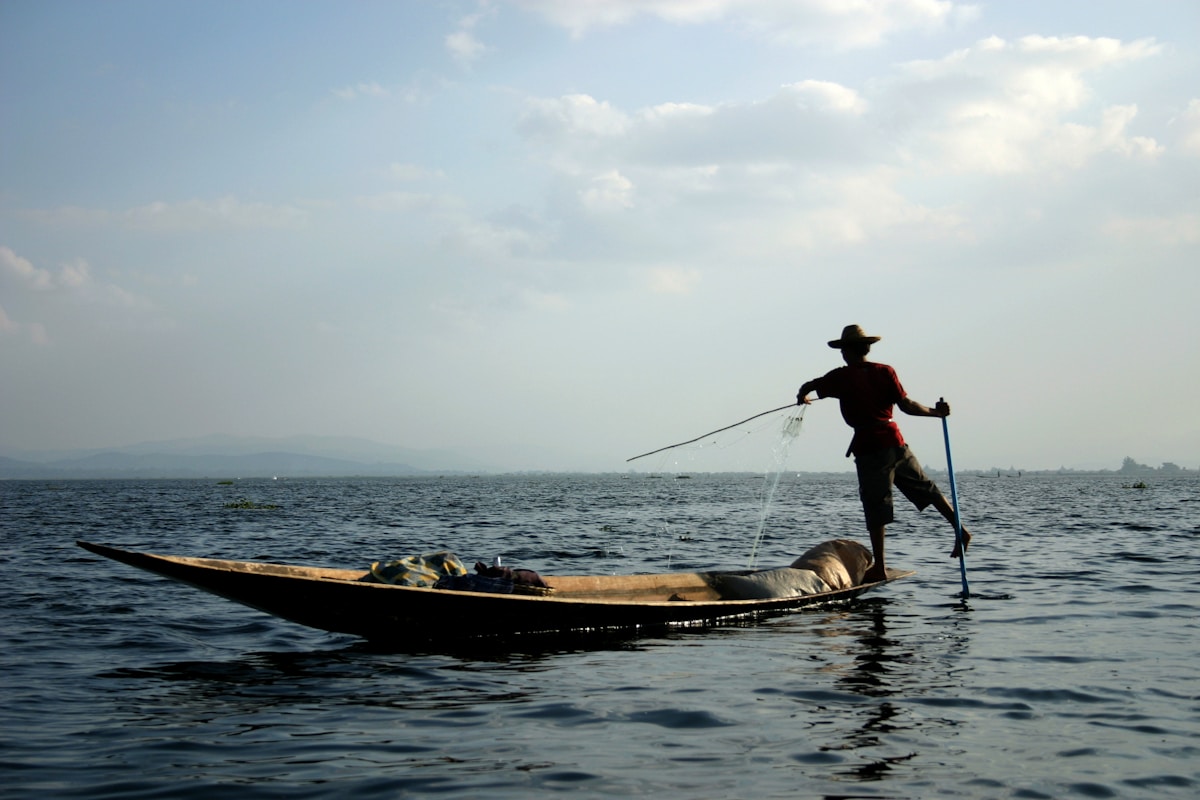
Understand Fish Behavior First
Before you start looking at maps, understand what the species you’re targeting actually needs. Some fish prefer shallow, weedy cover — largemouth bass and northern pike are classic examples. Others live in cold, oxygen-rich moving water — trout, smallmouth bass, walleye. Still others spend their time on the bottom of deep pools — catfish, carp. Fish congregate near structure: submerged logs, rock piles, weed edges, drop-offs, bridge pilings. Understanding what your target species needs is what lets you look at a map and actually see the fish.
Research and Online Resources
Google Maps satellite view has become one of my go-to scouting tools before visiting new water. You can identify weed flats, river bends, lake points, tributary inlets, and depth changes just from the aerial imagery. Zoom in close enough and you can often see underwater structure. Fishing apps like Fishbrain or Anglr add user-reported catch data to that map, which tells you where other anglers are finding fish and on what — though I’d take the exact spot data with some skepticism since good spots don’t always get shared accurately.
State and provincial fish and wildlife websites are underused resources. They publish stocking reports, population surveys, water quality data, and often maintain lists of public access points with ratings. That’s free, reliable information that gets ignored while people scroll fishing forums.
Local Knowledge and Community Interaction
The single best source of current, reliable fishing information is a local bait shop. I’m apparently more willing to walk into a random bait shop and ask questions than most people I know, and it has paid off repeatedly. The person behind the counter is fishing that water regularly. They know what’s been working this week, what changed after last week’s rain, and which public access points the locals actually use versus the ones that are technically listed but not worth the drive.
Fishing clubs and local Facebook groups are the digital version of the same thing. Join a regional group and spend a few weeks reading before you post — you’ll learn more from the comments than from asking cold. Attend local fishing club meetings if there’s one in your area. Those anglers have decades of pattern knowledge about local water that doesn’t exist anywhere online.
Environmental Factors
Water temperature is the variable that explains most fish behavior on any given day. Fish have preferred temperature ranges and they move to find them — shallow water in spring, deep water in summer, transitional zones in fall. A cheap waterproof thermometer is worth carrying. Water clarity matters too; clear water calls for finesse presentations and lighter line, stained water lets you get away with more and calls for higher-contrast lures.
Weather patterns shift fish activity dramatically. Overcast days generally produce better than bright sunny ones for most species. Post-cold-front conditions — bright sky, high pressure, temperature drop — are usually the worst time to fish and a lot of anglers don’t realize they’re fighting the conditions when they have a slow day. Rain often turns fish on, particularly the first rain after a dry period.
Use Technology Effectively
A fish finder is worth the investment if you fish lakes regularly. Even entry-level units from Humminbird or Lowrance at $150-200 show you bottom contour and fish presence well enough to dramatically reduce the time spent fishing empty water. GPS units let you mark productive spots for future visits — this builds a personal map over seasons that no app can give you. Hydrographic maps (lake bottom contour maps) are available for most major lakes and show depth, structure, and underwater features that satellite imagery can’t show.
Field Observation
Before you even rig up, walk the bank and observe. Surface splashes and rings indicate feeding fish. Birds — particularly herons, ospreys, and cormorants — congregate where baitfish are concentrated, which means predators aren’t far away. Baitfish visible near the surface or in shallows means larger fish are likely below or nearby, keeping them corralled. Water movement — current seams in a lake from wind, inlet flow, or underwater structure — concentrates food and therefore concentrates fish.
Experimentation and Patience
The best fishing spot in the world is useless if you’re fishing it wrong. Don’t commit to a single approach — vary your presentation, retrieve speed, depth, and lure type until you find what’s triggering strikes. If you haven’t had a bite in 30 minutes at a spot that looks promising, move rather than waiting it out. Covering water efficiently until you find active fish, then slowing down to work them thoroughly, is the pattern that consistently produces more fish than anchoring to one spot out of hope.
Legal and Ethical Considerations
Always check whether a location is open to public fishing before you access it — not all water adjacent to public roads or trails is legal to fish. Private property rights apply to streambanks and lakeshores in most states. Respect posted signs and obtain permission when needed. Follow size and catch limits; they’re what keeps fisheries healthy. Practice catch and release for larger or breeding fish when you can, and always pack out your trash. The access anglers have to great public water exists because enough people treat it with respect.

Stay in the loop
Get the latest fishing tales journal updates delivered to your inbox.