Types of Fishing Rods
Fishing rod selection has gotten confusing with all the options staring at you from the rack. Today I’ll walk through all the main rod types and explain exactly what each one is good for.
Spinning Rods
Spinning rods are the most versatile and widely used rods in freshwater fishing, and they’re the right starting point for almost every beginning angler. The reel hangs underneath the rod on a spinning setup, which makes line control intuitive and reduces the learning curve significantly. They’re built for light to medium applications — small to mid-sized fish, finesse presentations, and situations where you need to cast accurately with lighter tackle. They work in both freshwater and saltwater.
Baitcasting Rods
Baitcasting rods are what experienced anglers gravitate toward when they want precision. The reel sits on top of the rod, and the combination allows for more accurate casts and better control over heavier lines and larger lures. Bass anglers use them constantly — they’re the standard tool for flipping jigs into docks, throwing big swimbaits, and working crankbaits. The learning curve is real (the dreaded backlash), but once you have the cast dialed in, baitcasting gear is genuinely more capable than spinning for most power applications.
Fly Rods
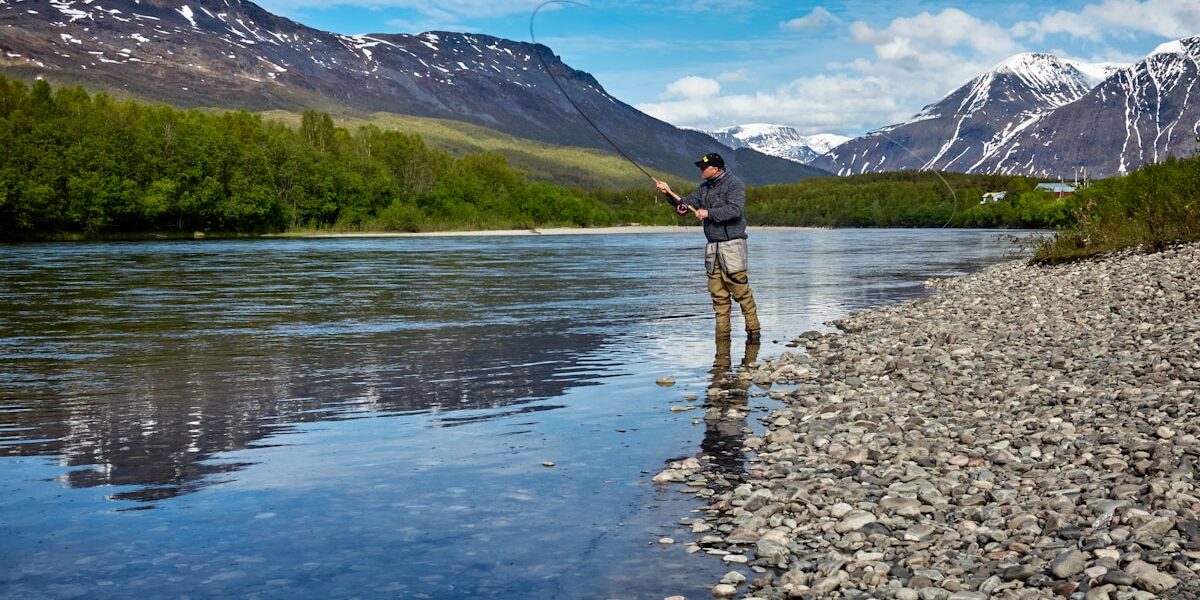
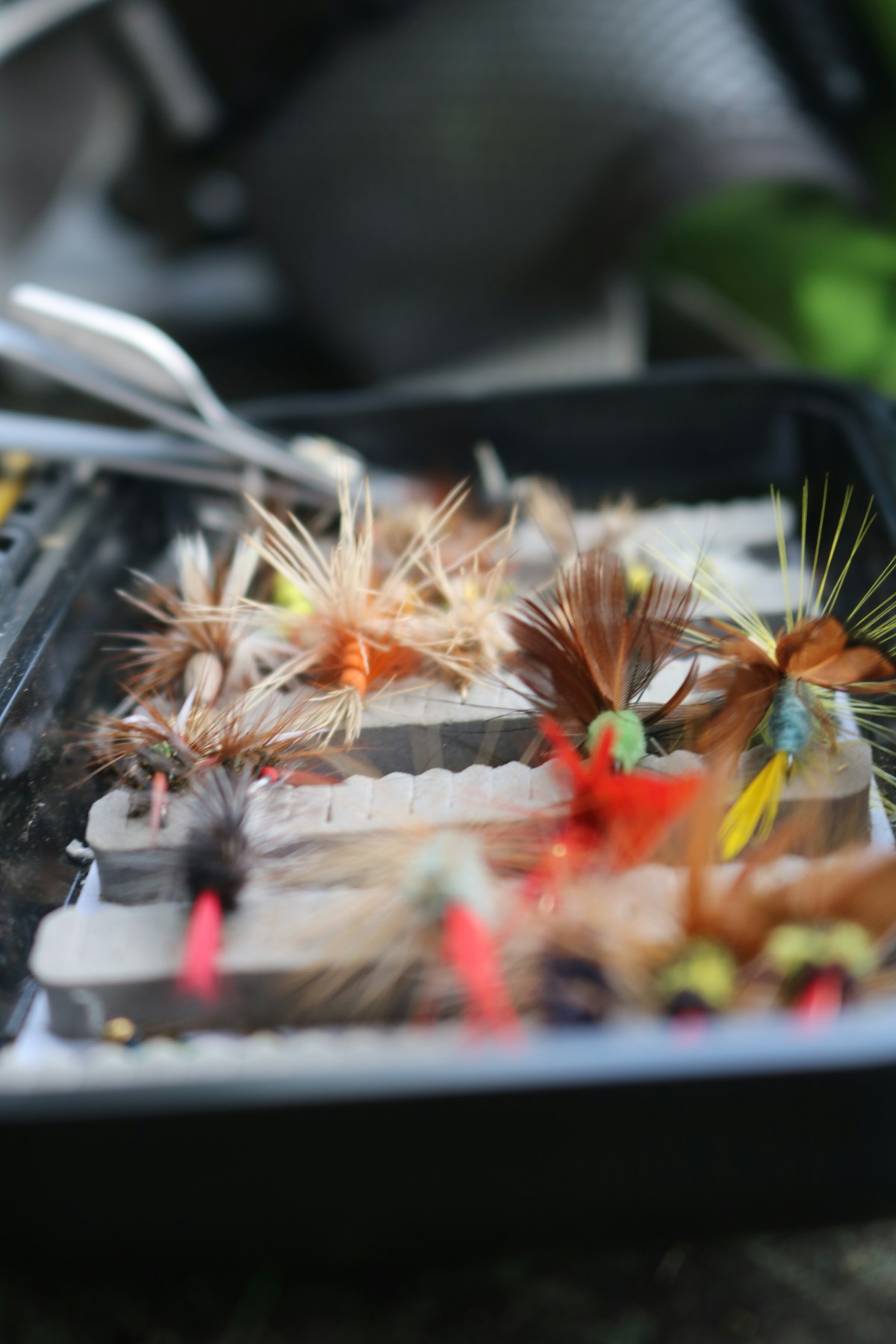
Fly rods are built around a completely different casting philosophy than conventional rods. Instead of casting the weight of the lure, you’re casting the weight of the line — and the rod design accommodates that. They’re longer and more flexible, designed to load under the weight of the fly line and deliver a nearly weightless fly delicately to the water’s surface. Fly rods are rated by line weight (1-weight for tiny dry flies on small streams up to 12-weight for tarpon and saltwater species), so the rod, reel, line, and target species all need to match. It’s a steep but rewarding learning curve.
Telescopic Rods
Telescopic rods collapse down to a fraction of their fishing length, making them extremely portable. That’s their whole value proposition. They’re not as sensitive as one-piece or two-piece rods — the multiple connection points reduce feel — but for backpacking, travel fishing, or keeping a compact rod in your car for impromptu opportunities, they’re a practical option that most serious anglers keep around even if it’s not their primary gear.
Surf Rods
Surf rods are built to cast heavy bait rigs long distances from the beach over breaking waves. They run 10 to 14 feet or longer, with enough backbone to launch 4-to-6-ounce sinkers and keep big fish moving in the current. They’re designed to handle striped bass, sharks, red drum, and other surf species that fight hard in fast water. The length keeps the rod tip above the surf during the retrieve. They’re specialized tools — you don’t need one unless you’re fishing from the beach — but when you do, nothing else substitutes well.
Pen Rods
Pen rods are exactly what they sound like — ultra-compact rods that collapse to pen size. They’re not fishing tools in any serious sense, but they do work for casual, impromptu situations: a small stream on a hiking trail, urban fishing when you don’t want to carry gear, introducing a child to fishing without lugging equipment. I’m apparently someone who keeps one in a jacket pocket during fishing trips to secondary spots, and it’s gotten me into fish I would have completely missed. Probably should have led with that caveat, honestly.
Ultralight Rods
Ultralight rods are built for small fish on light line and tiny lures. A 2-to-4-pound test spinning setup with a 1/32-ounce jig is the natural habitat of an ultralight rod. They’re incredibly sensitive — you feel everything — and fishing something like a 12-inch trout on ultralight gear is genuinely more engaging than catching the same fish on heavy tackle. Excellent for stream fishing, panfish, small trout, and any situation where delicate presentations outperform power.
Ice Fishing Rods
Ice fishing rods are short — usually 24 to 36 inches — because you’re fishing through a hole in the ice with no need for casting distance. They prioritize sensitivity and durability in cold conditions over everything else. A good ice rod transmits the lightest tap from a finicky perch or walleye. They’re paired with small reels and light line, and technique is almost entirely jigging in place. Different species and depths call for different rod lengths and power ratings, but all of them are built around the unique constraints of sitting over a hole at 15 degrees.
Carp Rods
Carp rods are a specialized category that most North American anglers don’t encounter, but they’re worth understanding. European coarse fishing has built an entire tackle ecosystem around carp — fish that run large (20 to 50-plus pounds are not unusual), fight long, and require specialized presentation techniques like hair rigs, boilies, and groundbait. Carp rods are characterized by test curve ratings (1.5 to 3-pound test curve for most applications), long length for distance casting, and a slow progressive action that cushions long fights without pulling hooks. If carp fishing interests you, the specialized tackle makes a real difference.
Pole Rods
Poles — sometimes called match poles or whips — are long, reel-free rods used primarily in European coarse fishing. Lengths of 13 to 16 meters aren’t unusual in competition match fishing. The line attaches directly to the tip and you control the rig by extending or retracting sections of the pole. The precision of presentation in still and slow-moving water is difficult to match with conventional tackle. It’s a completely different style of fishing from most North American approaches, but highly effective in the right setting.
Travel Rods
Travel rods break into multiple sections — typically 4 to 7 — making them easy to pack in a carry-on or checked bag without having to check a rod tube. Quality has improved significantly in recent years. A good graphite travel rod in 4 or 5 pieces fishes very close to a one-piece equivalent. Worth mentioning: the connection quality between sections is what separates good travel rods from mediocre ones. Look for spigot ferrules over push-in joints in higher-end models.
Trolling Rods
Trolling rods are designed to sit in a rod holder on a moving boat while lures or bait are dragged through the water. They’re built to absorb constant pressure, handle heavy fish at speed, and fit securely in holders without bouncing out. Offshore trolling rods for marlin and tuna are heavy-duty, rated for 50-to-130-pound line and designed to be used with a fighting harness or chair. Freshwater trolling rods for walleye or salmon are lighter, but still built around the specific mechanical demands of the technique.
That’s what makes rod selection interesting to experienced anglers — there’s genuine engineering behind each type, and the design choices reflect real constraints of the fishing situation. Understanding what each rod was built to do makes every gear decision feel less like guesswork and more like a deliberate choice. The right rod for the right application makes the whole experience better.

Stay in the loop
Get the latest fishing tales journal updates delivered to your inbox.