Fishing piers get taken for granted by anglers who’ve been at this a while, which is a mistake. A well-positioned pier extends over water that would require a kayak or boat to reach from shore, and the structure itself — the pilings, the shadows, the bait concentration that happens around any fixed structure — creates a micro-habitat that holds fish consistently. I’ve had some of my best saltwater fishing from public piers, and the overhead is zero. Here’s how to approach pier fishing effectively.
Types of Fishing Piers
Public piers are maintained by local or state governments and typically require no fee or a small daily charge. They’re generally well-maintained with bait stations, cleaning tables, restrooms, and sometimes a bait and tackle shop. The tradeoff is that popular public piers can get crowded, especially on weekends in summer. Arriving early matters more than at almost any other fishing spot.
Private piers, operated by businesses or fishing clubs, usually charge a higher daily fee in exchange for less congestion and sometimes better facilities. They often have more consistent regulations and cleaner facilities because access is controlled. For someone who fishes piers regularly, a season pass at a quality private pier can be worth the cost.
Floating piers rise and fall with the tide, which changes the fishing angle and the depth directly below you throughout the day. They’re less common but present opportunities for accessing water in tidal areas that fixed piers can’t reach consistently.
Gear That Works on Piers
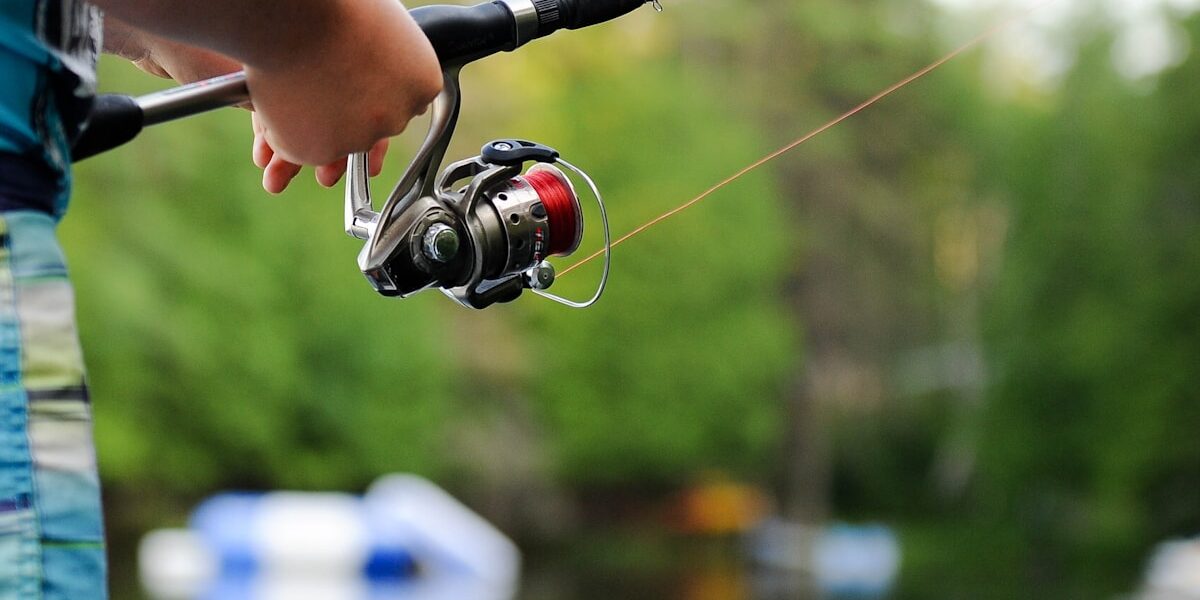
Pier fishing doesn’t require specialized exotic tackle, but a few gear choices make it more effective. A medium-action spinning rod in the 7-foot range handles the range of applications you’ll encounter on most piers: bottom fishing with live bait, casting lures to the pilings, or fishing a float in the current. Pair it with a 3000 to 4000-size spinning reel loaded with 15-20 pound braid to a monofilament or fluorocarbon leader.
Sinkers are more important on piers than many anglers realize. A pier position means current — tides moving under the structure, wind-driven drift — and you need enough weight to keep your bait in the zone rather than drifting constantly. Egg sinkers and bank sinkers in the 1 to 3 ounce range handle most pier situations. In heavy current or deep water off larger piers, 4 to 6 ounces may be necessary.
For bait, live shrimp is the universal option on saltwater piers — it works on flounder, snook, redfish, snapper, and most other species you’d encounter. Cut squid, cut mullet, and sand fleas (mole crabs) are effective alternatives. Artificial lures cast to the pilings and retrieved through the shadow zone produce strikes on species like snook, speckled trout, and pompano.
Seasonal Patterns on the Pier
Warmer months bring the most species variety. In mid-Atlantic and southern states, summer pier fishing can include flounder, spot, croaker, bluefish, Spanish mackerel, and the occasional large striper. Mackerel and bluefish often run in large schools that pass through a pier in waves — you’ll go from nothing to constant action and back to nothing in an hour as a school moves through.
Cold-weather months thin out the species list but don’t eliminate the fishing. Tautog (blackfish) are a prime winter pier target along the Northeast Atlantic coast, holding tight to the pilings in water temperatures that push other species offshore. Whiting and winter flounder are traditional cold-weather pier species. The fish are less active and require slower presentations and more patience, but the crowds thin out considerably, which has its own appeal.
Reading the Pier and Finding Fish
The best pier spots are not random. Pilings create current eddies and shade lines that concentrate bait and the fish that follow it. The shadow line at the edge of the pier structure is often the most productive zone — predators hold in the shade and ambush bait moving through the light. Cast parallel to the pier and retrieve through the shadow, not perpendicular to it.
The tip of the pier is where most beginners plant themselves, assuming deeper is better. It often isn’t. The structure around the pilings closest to shore in 12-15 feet of water can hold as many fish as the end in 30 feet. The fish you’re after determine where you should be positioned.
Tide timing is the single biggest factor in pier success. Incoming tides push bait toward shore; fish follow. The two hours before and after peak tide movement are the most productive windows on almost every pier I’ve fished. Slack tide, when water movement stops between tide cycles, slows the fishing noticeably. Plan your session to overlap with moving water.
Etiquette and Regulations
Pier fishing is a social activity, and the norms matter. Give other anglers adequate space — at least 10-15 feet between rods when the pier is moderately crowded, more when it’s busy. Don’t cast over other people’s lines. When a fish runs toward another angler, communicate clearly and keep lines from tangling.
Regulations on piers vary considerably: some require a standard state saltwater license, some have their own pier-specific license, and some public piers include a license with the access fee. Size and bag limits apply to pier fishing the same as boat fishing. Check local rules before you go, and don’t assume that fishing from a pier rather than a boat creates any different legal status for what you keep.
Clean up completely when you leave. Monofilament line left on a pier gets into the water and kills birds. Bait scraps left on a pier surface make the next visitor’s experience unpleasant and attract pests. The pier being clean when you leave is a baseline expectation, not an optional courtesy.
Making the Most of Your Trip
Watch what works before committing to a setup. Spend the first few minutes observing other anglers — what they’re using, where on the pier they’re positioned, whether fish are being caught near the tip or the base. The local knowledge that accumulates on a fishing pier over a season is freely available to anyone who pays attention.
Most piers have regulars who’ve been fishing the same structure for years and know exactly which pilings hold fish in which conditions. Asking questions earns information. Bringing coffee for the person who’s been there since 5 AM earns more.

Stay in the loop
Get the latest fishing tales journal updates delivered to your inbox.