The Almaco jack doesn’t get nearly as much attention as its cousins — yellowtail, amberjack, greater amberjack — but anglers who have tangled with one rarely forget it. They fight harder than their size suggests, they’re found in offshore blue water that’s worth traveling to anyway, and they eat well. Here’s what to know if you’re specifically targeting them or just want to recognize and handle one when you catch it.
What Is the Almaco Jack
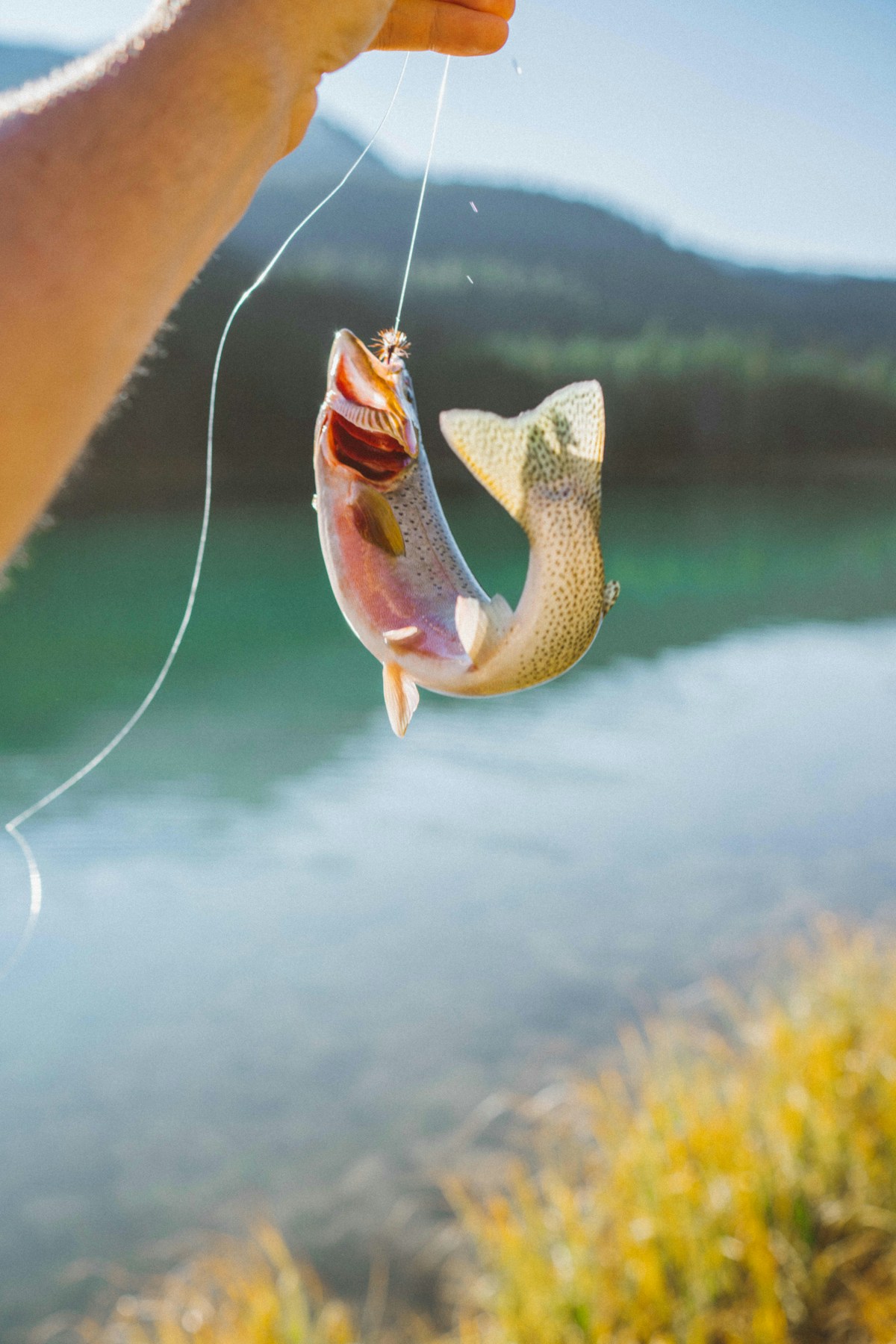
The Almaco jack (Seriola rivoliana) is a member of the jack family (Carangidae), related to the amberjacks but generally smaller — adults typically run 10-30 pounds, with exceptional fish reaching 50+ pounds. The body is more compressed and deep-bellied than the greater amberjack, with a pronounced amber-colored lateral stripe running from the snout through the eye to the tail. The forehead has a steeper profile than most other jacks.
They’re found worldwide in tropical and subtropical waters, primarily Atlantic and Pacific. In the US, the Gulf of Mexico and Atlantic coast from Florida to the Carolinas are the most consistent fisheries. They associate strongly with offshore structure — oil platforms, deep artificial reefs, floating debris lines, and natural ledges in the 200-600 foot range.
Where to Find Almaco Jacks
Almaco jacks are structure fish. In the Gulf of Mexico, they’re caught regularly around offshore oil platforms in 200-400 feet of water — the platforms create habitat for enormous baitfish populations, and the jacks follow the bait. Natural reefs and ledges at similar depths hold them as well. They tend to be found higher in the water column than greater amberjack, often appearing at mid-depth or near the surface around floating Sargassum lines and debris.
Offshore, they’ll appear wherever there’s a temperature break or current edge that concentrates bait. The combination of deep structure and open blue water access is their preferred environment. They’re pelagic enough to be caught on the surface during blitzes on small baitfish, and structural enough to be caught on vertical jigs worked at 200+ feet.
Gear for Almaco Jack
Almaco jacks fight hard for their size — they run fast, take line in sustained bursts, and try to dive into the structure they came from once hooked. A medium-heavy jigging rod rated for 40-60 lb line with a quality conventional or spinning reel with a reliable drag is appropriate for most situations. If you’re fishing deep water platforms with heavy vertical jigs, step up to a heavier setup — a fish that gets to the structure before you can stop it is gone.
Line: 40-65 lb braid with a 40-60 lb fluorocarbon leader. Heavy enough to stop a run toward structure, light enough that the jig swims naturally. Terminal tackle — hooks, split rings, and snap swivels — should all be rated for the line class you’re fishing. Offshore jacks find the weak points quickly.
Techniques That Work
Vertical jigging is the most consistently effective technique for Almaco jacks around offshore structure. Metal jigs in the 3-6 oz range worked with an aggressive ripping action — fast lifts of the rod tip — trigger reaction strikes from fish that may not be actively feeding. The Almaco jack’s ambush instinct responds to erratic, fast-moving prey. Work the full water column from near-bottom up to mid-depth; they can be anywhere on a given day.
Live bait is extremely effective when available. Pilchards, goggle-eyes, and large cigar minnows on a 5/0-7/0 circle hook dropped to the structure will get bit quickly when Almaco jacks are present. Free-lining live bait (no weight) down through the water column often produces larger fish than weighted presentations because the bait behaves more naturally.
At depth, slow-pitch jigging — a technique involving a slower, more erratic cadence with jigs that have a pronounced flutter on the fall — has become popular for Almaco jacks and other deep structure species. The fall is when strikes often happen, so maintaining tension during the descent is important.
Preparation and Planning
Any successful offshore trip begins with preparation. Check weather windows carefully — conditions offshore change faster than weather forecasts sometimes indicate, and Almaco jack fishing involves being far enough from shore that returning quickly in deteriorating weather is not always an option. Know the forecast, know the sea state, and build in margin.
Research the specific offshore structure you plan to fish. Navigation charts show depth contours and some marked structures, but private platforms and artificial reef coordinates are often shared in regional fishing forums or through state fish and wildlife reef programs. Having multiple target locations planned lets you move if one spot isn’t productive.
Eating Quality and Handling
Almaco jack has a strong following among anglers who keep fish to eat. The flesh is firm and flavorful — richer than many other jacks, with a texture that holds up well to grilling and smoking. It’s popular in Japanese cuisine as “hiramasa” and is increasingly farmed for the restaurant market, which is a reliable indicator of genuine eating quality.
For best table quality, bleed the fish immediately after landing and keep it on ice. Almaco jack, like most members of the jack family, can carry ciguatera toxin in some reef environments — check local advisories for the specific region you’re fishing before keeping large fish from known ciguatera areas.
That’s what makes the Almaco jack endearing to offshore anglers who discover them specifically — it’s a fish that fights well, eats well, and lives in water that’s worth being on regardless of what’s biting.
Recommended Fishing Gear
Garmin GPSMAP 79s Marine GPS – $280.84
Rugged marine GPS handheld that floats in water.
Garmin inReach Mini 2 – $249.99
Compact satellite communicator for safety on the water.
As an Amazon Associate, we earn from qualifying purchases.

Stay in the loop
Get the latest fishing tales journal updates delivered to your inbox.