Understanding Flounder Season in Texas
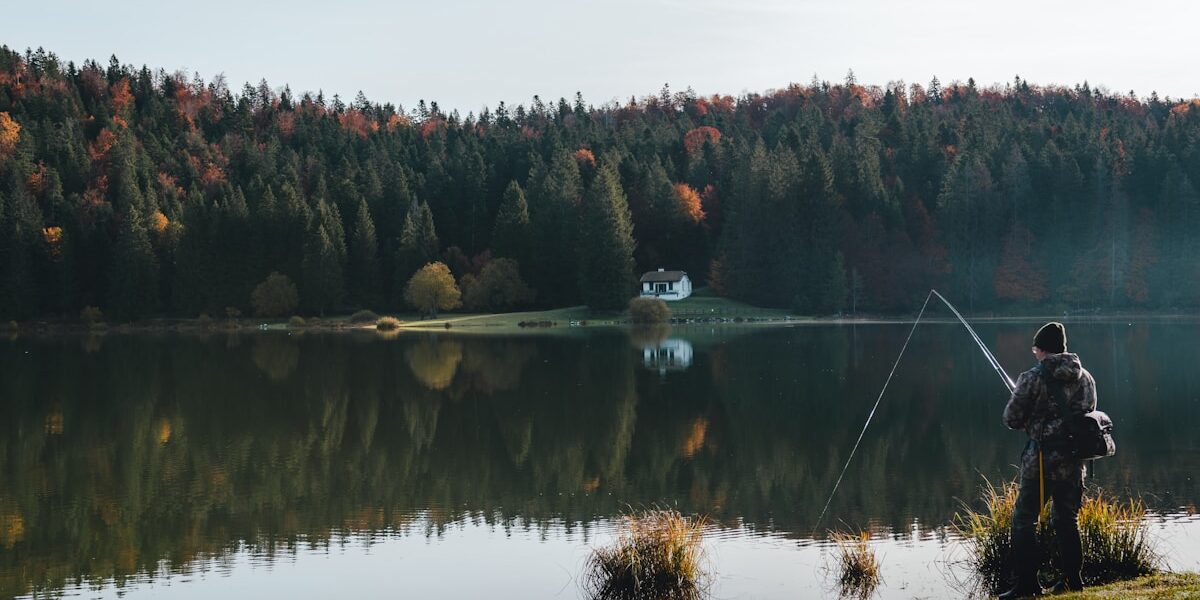
Texas flounder fishing has gotten more regulated and more discussed over the past decade, and if you’re planning to fish for flounder along the Texas coast, understanding the season, the rules, and the biology behind both will genuinely improve your experience. Today I’ll share what you actually need to know.
Flounder Varieties in the Gulf of Mexico
The Gulf of Mexico is home to several flounder species, but two dominate for Texas anglers: Southern Flounder (Paralichthys lethostigma) and Gulf Flounder (Paralichthys albigutta). Southern Flounder is the more prominent of the two in Texas waters, prized for its larger size and what most people who’ve eaten it consider to be superior table fare. That flat, asymmetric body shape makes it instantly recognizable and uniquely suited to its ambush-predator lifestyle.
Regulations and Licenses
Texas Parks and Wildlife Department regulates flounder fishing to protect population sustainability, and the numbers here matter. The minimum size limit is 15 inches — that’s sized to allow fish to go through at least one reproductive cycle before harvest. The bag limit is 5 flounder per day for most of the year, dropping to 2 during November to protect spawning fish during their migration period. Both resident and non-resident anglers need either a saltwater fishing endorsement or an all-water fishing package. License fees go directly to conservation. Worth mentioning: these regulations have changed in recent years as the population has come under pressure, so always verify current rules with TPWD before your trip.
Seasonal Fishing: When to Catch Flounder
Peak flounder season in Texas runs October through December, when fish migrate through passes and channels from the bays out to the Gulf. That migration concentrates them in predictable locations and makes them more accessible than they are during the rest of the year. November is the most critical month from a conservation standpoint — the spawning season peak. The reduced bag limit reflects that directly. Many serious flounder anglers practice catch and release during November specifically to help ensure the population recovers season over season.
Preferred Habitats and Fishing Techniques
Flounder prefer shallow coastal areas with sandy or muddy bottoms, where they can camouflage themselves and ambush prey without moving much. Estuaries, bay systems, and river mouths are consistently productive. Sabine Lake and Galveston Bay are among the state’s most reliable spots. Live bait — mud minnows and finger mullet particularly — is the go-to for flounder. Artificial lures can work effectively when jigged along the bottom to mimic that same presentation. Light tackle and a stealthy approach matter more than the specific lure, since flounder rely heavily on their senses when feeding from ambush positions.
Conservation Efforts and Challenges
The flounder population has faced real pressure from overfishing and habitat loss related to coastal development. TPWD has responded with hatchery programs that breed juvenile fish and release them into the wild, and with habitat restoration efforts focused on the estuaries and marshes that flounder depend on through their life cycle. Water temperature changes add another layer of complexity — warmer temperatures affect spawning timing and distribution in ways that are still being studied. The monitoring and adaptive management here isn’t just bureaucracy; it’s actually necessary given the pressures the population faces.
Impact of Climate and Environmental Changes
Climate-related shifts in water temperature and sea level affect flounder in ways that are becoming clearer through ongoing research. Rising temperatures alter migration patterns and reproductive timing. Changes in salinity and currents affect breeding habitat quality. Marine biologists are actively tracking these variables to understand and predict the impacts. The practical implication for management is that regulations have to be flexible enough to respond to environmental changes rather than being set in stone, which is why paying attention to updated TPWD guidance is genuinely useful rather than just regulatory noise.
Community and Angler Involvement
Local fishing clubs and organizations partnering with TPWD on conservation work represent some of the most effective flounder management happening in Texas waters. Tagging programs are particularly valuable — they generate data on flounder movement and population dynamics that scientists can’t get any other way. Education initiatives that help anglers understand the actual reasoning behind regulations tend to produce better compliance than enforcement alone. Participating in these programs, even informally, connects you to a community that cares about keeping these fisheries productive for the long term.
The Role of Technology in Monitoring Flounder Populations
Acoustic tags allow scientists to track individual flounder movements and study habitat use in ways that weren’t possible a generation ago. Drone surveys and remote sensing give researchers tools for observing coastal habitats and detecting changes over time without requiring constant physical presence. The data coming from these technologies feeds directly into management decisions about seasons, limits, and habitat restoration priorities. It’s genuinely interesting work, and the results influence the regulations you fish under.
How You Can Contribute to Sustainable Flounder Fishing
- Stay informed about the current regulations and adhere strictly to size and bag limits.
- Consider catch-and-release, especially during critical breeding months, to enhance population sustainability.
- Join local conservation projects and contribute to habitat restoration efforts.
- Report any observations of illegal fishing activities to local authorities to aid in enforcement of regulations.
- Educate fellow anglers about the importance of sustainable fishing practices.
Recommended Fishing Gear
Garmin GPSMAP 79s Marine GPS – $280.84
Rugged marine GPS handheld that floats in water.
Garmin inReach Mini 2 – $249.99
Compact satellite communicator for safety on the water.
As an Amazon Associate, we earn from qualifying purchases.

Stay in the loop
Get the latest fishing tales journal updates delivered to your inbox.