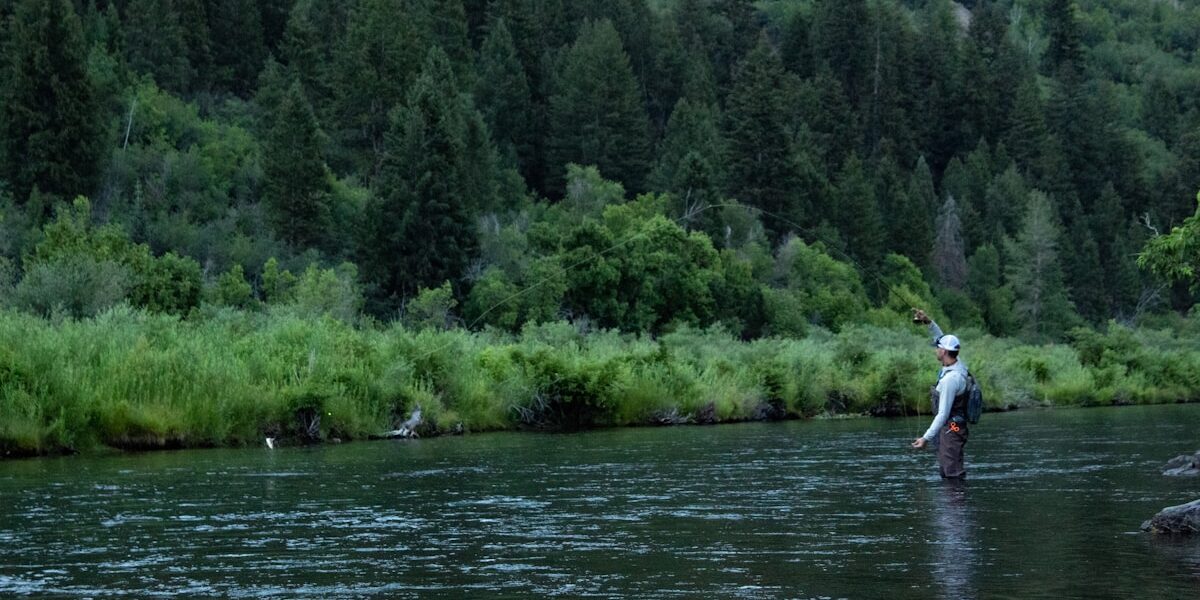
Carp fishing has a devoted following for good reason — these fish are smart, strong, and significantly harder to fool than their reputation in North America suggests. I got into carp fishing somewhat by accident, went out expecting it to be simple, and got thoroughly schooled for the first two sessions. What changed things was understanding bait selection. Carp have a highly developed sense of smell and taste, they’re cautious about anything that seems off, and the difference between the right bait in the right form and the wrong one is often the difference between a productive day and nothing.
Natural Baits: What’s Already in Their Diet
Natural baits work on the principle that carp recognize and trust food they already encounter in their environment. There’s no fooling involved — you’re presenting something real.
Worms
Earthworms and nightcrawlers are reliably effective, especially in rivers and lakes where worms naturally wash in after rain. Carp find them by scent as much as sight. Hook a larger worm through the middle so both ends move — that natural wriggling action is part of the attraction. A bunch of smaller worms on a size 6-8 hook is a presentation that’s hard for carp to pass up. Worms work year-round but are particularly good in spring when water temps are climbing and fish are actively feeding.
Corn
Canned sweet corn has caught more carp than most sophisticated rigs. The bright yellow color is visible, the sweet smell carries well in water, and carp eat it readily. Use two or three kernels on a hair rig — threading them on a short hair below the hook so the corn sits separately from the metal. This lets the corn look natural and reduces the chance of a carp feeling the hook before committing. Some anglers soak corn overnight in molasses, vanilla, or flavored oil to boost the attractant quality.
Bread
Bread is still effective, especially as a surface bait for stalking visible carp feeding near the surface on warm days. Flatten a piece of white bread around a size 4-6 hook, leaving it slightly proud of the bread. Cast to rising fish and watch for the take — it’s one of the most visual and exciting ways to catch carp. In still water, bread works on the bottom too, where it softens quickly and creates a scent cloud. It doesn’t hold up in current.
Boilies: The Dedicated Carp Bait
Boilies are specifically engineered for carp fishing, and they’re the foundation of modern specimen carp angling. They’re spherical baits made from protein-rich base mixes — fishmeal, milk proteins, semolina, and various cereals — combined with eggs and flavorings, then boiled to create a skin that resists smaller fish picking them apart. The result is a durable, highly nutritional bait that carp will seek out over extended periods once they’re prebaited on it.
Choosing Flavor Profiles by Season
This matters more than most beginners realize. In warm water (above 60°F), carp metabolisms are running fast and they’re attracted to sweeter, fruitier profiles — strawberry, pineapple, banana, scopex (a butterscotch-vanilla type). In cold water, their digestion slows and they prefer highly digestible, high-protein baits: fishmeal, squid, liver, and mussel flavors. Using a warm-weather sweet boilie in 45-degree water is going to underperform a fishmeal boilie by a significant margin.
Size
Standard sizes are 10mm, 14mm, and 18mm. Smaller boilies attract more species including nuisance fish; larger ones are better for targeting specifically big carp. In a water with a lot of small carp and bream, 18mm or larger boilies on a hair rig reduce the number of unwanted hookups.
Pellets and Groundbait
Pellets serve a different role than hookbaits — they’re primarily used for prebaiting and building a feeding zone. Halibut pellets in particular are oil-rich and highly attractive. Scattered loosely around your hookbait, they get carp feeding confidently in the area before they find the hook. Micro pellets dissolve over time and create a sustained scent column.
Groundbait is a crumbly or semi-firm mixture — bread, cereal, hemp, and flavorings — that you introduce to the swim either by catapult or in method feeder cages. It breaks apart in the water and spreads attractants over a wider area than pellets alone. Mixing your groundbait with the same flavor as your hookbait creates a cohesive scent profile in the swim.
PVA Bags: Clean, Precise Bait Delivery
PVA (polyvinyl alcohol) bags dissolve completely in water without leaving residue, making them a clean and effective way to present a small pile of attractive particles directly around your hookbait. Fill a small PVA bag with pellets, crushed boilies, and a bit of groundbait, attach it to the hook or rig, and cast. When it touches the water, the bag starts dissolving, and within a few minutes you have a neat pile of bait around your hook with no bag material left behind.
The advantage over loose-feeding is accuracy — you know your bait is right where your hook is, which is especially valuable at longer distances where catapult precision degrades. PVA mesh is used for the same purpose and is easier to fill.
DIY Baits
Making your own boilies is more involved than buying them but it gives you full control over ingredients and flavor. The basic formula: protein base mix (fishmeal, soya, milk protein), binder (semolina, breadcrumb), eggs to bind, and your chosen liquid flavor or powder flavoring. Mix, roll into balls on a rolling table, boil for 2-3 minutes, then dry. It takes an afternoon and produces large quantities at a fraction of the cost of commercial boilies.
Simple starting recipes:
- Basic Fishmeal Boilie: 3 parts fishmeal, 1 part semolina, 1 part soya flour, eggs to bind. Add 10-15ml of fish sauce or squid flavoring per 6 eggs. Roll, boil, dry.
- Bread Paste: Mash stale white bread with flavored oil or fish paste until it forms a stiff, tacky dough. Useful for immediate fishing without making full boilies.
Understanding Carp Behavior
Carp are cautious and intelligent — on pressured waters, they develop genuine bait shyness and avoid presentations they’ve seen before. That’s why rotating bait flavors and types on pressured lakes is worth doing. On less-pressured water, almost any good bait presentation will work if the fish are feeding.
They feed most actively at dawn and dusk. In summer heat, midday finds them in deep water or loafing in shady areas not feeding at all. Pre-baiting a swim the evening before an early morning session — scattering pellets, corn, or boilies in the area before you leave — gives fish overnight to find and commit to the spot, so they’re actively feeding there when you arrive at 5 AM.
Noise matters. Carp are sensitive to vibration and will move away from a swim that’s being disturbed. Walk slowly, don’t drop tackle boxes on the bank, and keep conversation low once fish are in the area.
Recommended Fishing Gear
Garmin GPSMAP 79s Marine GPS – $280.84
Rugged marine GPS handheld that floats in water.
Garmin inReach Mini 2 – $249.99
Compact satellite communicator for safety on the water.
As an Amazon Associate, we earn from qualifying purchases.

Stay in the loop
Get the latest fishing tales journal updates delivered to your inbox.