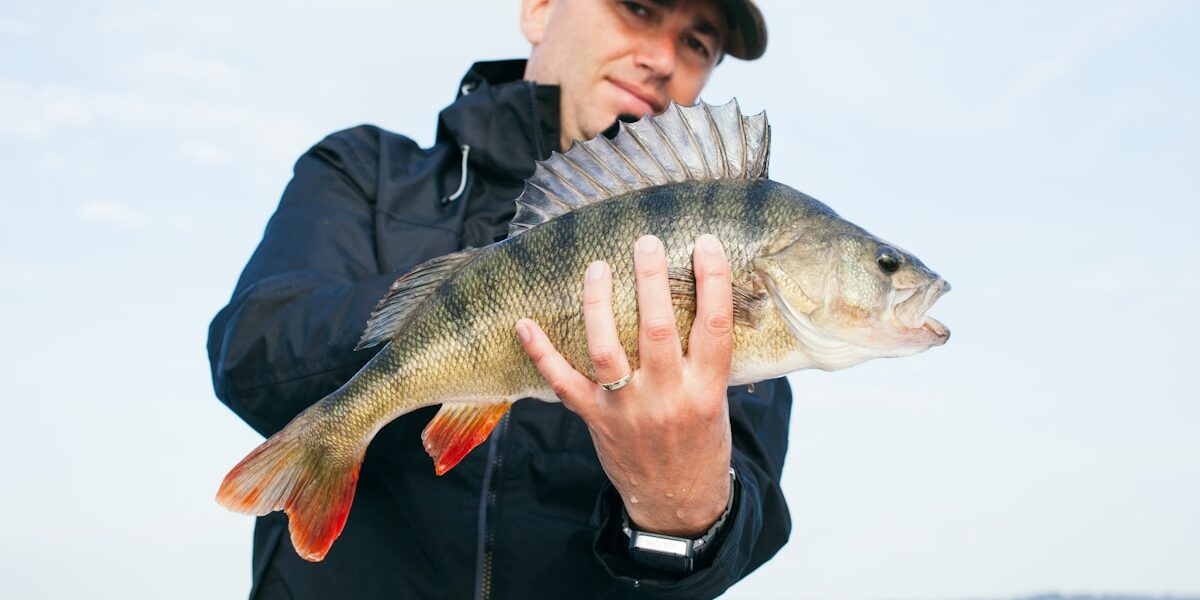
Double Uni Knot: A Versatile and Reliable Fishing Knot
Fishing knots have gotten complicated with all the tutorials, YouTube videos, and “definitive guides” flying around. Today, I’ll share it all with you.
Origins and Popularity
Anglers have used all kinds of knots throughout history, but the double uni stands out. It’s less prone to slipping than most alternatives, and the way it distributes tension across the line is genuinely clever. That characteristic alone has made it a staple for anyone serious about fishing. I’m apparently the type who overthinks gear, and the double uni works for me while fancier knots like the FG knot never have — too fiddly under pressure.
When to Use the Double Uni Knot
It excels where other knots give up: connecting two lines of differing diameters. Braid to fluorocarbon leader, 10 lb mono to 20 lb mono, you name it. Whether you’re freshwater bass fishing or hauling in saltwater stripers, it serves its purpose. Worth mentioning: its usefulness isn’t limited to joining lines. It’s also handy for attaching hooks, leaders, or lures directly to your main line. That versatility makes it an invaluable skill to have in your back pocket.
Strength and Efficiency
The double uni maintains a high percentage of the line’s original breaking strength. That matters when you’re fighting larger fish — a 30-pound striper doesn’t care about your knot confidence, but the knot sure does. Lines rarely break at a properly tied double uni. This reliability makes it a solid choice for both the seasoned angler and the person who just picked up their first spinning rod last weekend.
Step-by-Step Guide to Tying the Double Uni Knot
- Overlap the Lines: Start by overlapping the two lines you want to join, about 6 to 8 inches. Give yourself room to work.
- Create a Loop: Take one end of the line and create a loop over itself. The tag end needs to be long enough for the wraps you’re about to make — don’t skimp here.
- Wrap the Loop: Wrap the tag end around both lines and through the loop. Five to six turns is the sweet spot. Pull the tag end to tighten.
- Repeat with the Other Line: Same process, other end. Mirror what you just did.
- Join the Knots: Once you’ve got knots formed on both lines, pull the standing lines in opposite directions. The two knots will slide together and seat against each other.
- Trim Excess: Clip the tag ends close to the knots. Done.
Practice makes perfect — and I mean that literally. Tie this one at home, on the couch, watching TV, until your fingers know it by feel. Once you’ve got it, you can knock it out in under a minute even in the rain at 6 AM.
Applications Beyond Fishing
The double uni isn’t exclusive to fishing. Campers reach for it to secure tarps; rope workers use it where strong joins matter. But on the water is where it really earns its reputation.
Comparisons with Other Knots
People always ask how the double uni stacks up against the blood knot or the surgeon’s knot. Here’s the deal: the blood knot demands strict symmetry between the two lines, which is annoying when you’re working with very different diameters. The surgeon’s knot is quick but gives up strength in heavy applications. The double uni threads the needle between ease and strength. It doesn’t require perfect symmetry, and it’s generally stronger than the surgeon’s for demanding situations.
Common Mistakes and Troubleshooting
Newcomers consistently under-tighten the loops. That’s the number one failure mode. The knot looks fine until a fish pulls, and then it walks. Moisten the lines before you cinch them down — this reduces friction and heat, both of which weaken the line. Once both knots are formed, check that they slide cleanly toward each other when you pull the standing lines. If one knot seems to hang up, your wraps are probably uneven. Redo it. Takes 30 seconds.
Material Considerations
The type of line affects performance. Monofilament grips itself well, making it the most forgiving material to practice with. Braided lines are more slippery — Berkley PowerPro or Sufix 832, for example — and may need an extra wrap or two to compensate. Fluorocarbon falls somewhere in between. Know your line, and adjust accordingly.
Practical Tips
- Always give yourself more tag end than you think you need before starting.
- Keep tension steady and even when pulling the knots together — sudden jerks cause problems.
- Moisten lines with saliva or water before the final cinch.
- Use a proper line cutter, not your teeth — frayed ends are weak ends.
Probably should have led with the moistening tip, honestly. It’s the single easiest thing to skip and the one that causes the most blown knots.
Enhancing Your Fishing Experience
One solid knot changes a day on the water. You stop worrying about your connection and start thinking about where the fish are. The double uni doesn’t just join lines — it frees up your attention for the things that actually matter: reading the current, watching the line twitch, placing the next cast. Master this knot and you’ll notice the difference immediately.
Recommended Fishing Gear
Garmin GPSMAP 79s Marine GPS – $280.84
Rugged marine GPS handheld that floats in water.
Garmin inReach Mini 2 – $249.99
Compact satellite communicator for safety on the water.
As an Amazon Associate, we earn from qualifying purchases.



Stay in the loop
Get the latest fishing tales journal updates delivered to your inbox.