Fishing For Fun: Why Recreational Angling Is Worth Your Time
Recreational fishing has gotten complicated with all the gear options, technique debates, and social media pressure to catch trophy fish flying around. As someone who fished for years just for the pure enjoyment of it — not for tournaments, not for Instagram — I’ve learned what makes the sport genuinely rewarding. Today, I’ll share why fishing for fun is different, and better, than fishing for any other reason.
What Does Fishing for Fun Actually Mean?
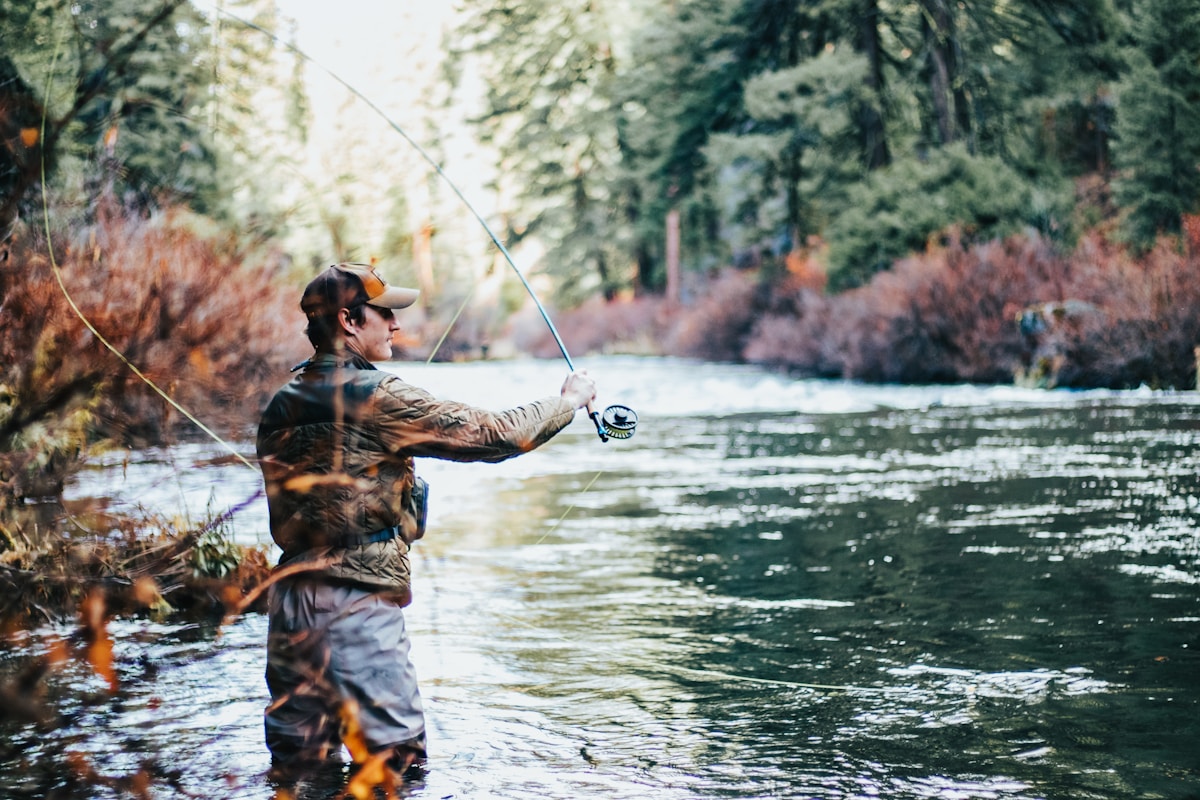
It means you went out to fish, and whether you caught anything or not, the day was still a success. That sounds simple but it’s actually a mindset shift that a lot of anglers never quite make. When the goal is the experience rather than the outcome, everything about the day changes. You notice the fog burning off the water at 6 AM. You watch a great blue heron work the shallows. You sit there for an hour without a bite and feel completely fine about it.
That’s what makes recreational fishing endearing to us anglers — it’s one of the few activities where the absence of results is still considered a good time by most participants.
The Mental Health Benefits
Spend a morning by moving water and tell me you don’t feel better leaving than you did arriving. The research backs this up: time in natural environments reduces cortisol levels, lowers blood pressure, and improves mood. Fishing specifically adds the element of focused, meditative attention — watching a float, feeling for vibration in the line — that occupies the mind just enough to quiet the noise of everything else. I’m apparently someone who overthinks things, and fishing works for me while a lot of other “relaxing” activities never have.
Fishing as a Social Activity
Some of my best conversations have happened sitting in a boat not catching anything. There’s something about the shared focus on the water, the absence of screens, and the unhurried pace that loosens people up. Fathers and kids, old friends who haven’t talked properly in years, strangers who end up swapping tips by the bank — fishing creates those interactions in a way that’s hard to manufacture elsewhere.
Worth mentioning: fishing for fun is inclusive in a way competitive fishing often isn’t. You don’t need expensive gear, a boat, or a skill level that took years to develop. A basic spinning setup and a container of worms will do.
Gear Doesn’t Have to Be Complicated
Here’s the deal with fishing equipment for recreational purposes: entry-level gear works fine. A $40 Shakespeare spinning combo from a hardware store will catch fish. The marginal returns on expensive equipment are real for serious tournament anglers and essentially zero for someone fishing for enjoyment. Buy what fits your budget, learn to use it well, and upgrade only when you’ve identified a specific limitation you actually encounter.
The one area where I’d suggest not cutting corners is line. Old, brittle monofilament costs you fish in a way that a basic rod and reel simply doesn’t. Fresh 6 lb or 8 lb mono at the start of each season costs a few dollars and eliminates a lot of frustrating breakoffs.
Finding Good Water Near You
Most anglers don’t need to drive far. State fish and wildlife agencies stock public ponds, park lakes, and community fishing areas specifically to give people close-to-home access. These aren’t always glamorous spots, but they hold fish — often in surprisingly good numbers because the pressure tends to be inconsistent. Check your state’s fishing access maps; you’ll probably find water within 20 minutes of wherever you are that you didn’t know existed.
The Simplest Way to Start (or Restart)
- Get a fishing license — online, takes five minutes.
- Pick up a basic spinning rod and reel combo at any sporting goods store.
- Buy a small assortment of hooks, split shot, and a pack of worms or PowerBait.
- Find the nearest stocked public pond on your state wildlife agency’s map.
- Go on a weekday morning in spring or early summer when the water is still cool.
That’s genuinely all it takes. The rest — better gear, more techniques, more sophisticated water — comes naturally over time if you want it to.
Why Fun Fishing Beats Pressure Fishing
Tournament fishing and social media fishing culture have done something odd to the sport: they’ve turned a relaxing activity into a performance. Catch rates matter. Fish size matters. Looking the part matters. None of that has anything to do with why most people fished in the first place, and it’s driven a lot of people away from something they used to genuinely enjoy.
Fishing for fun means opting out of that framework entirely. Your best day on the water isn’t the one with the biggest bass. It’s the one where you were glad you went.
Recommended Fishing Gear
Garmin GPSMAP 79s Marine GPS – $280.84
Rugged marine GPS handheld that floats in water.
Garmin inReach Mini 2 – $249.99
Compact satellite communicator for safety on the water.
As an Amazon Associate, we earn from qualifying purchases.

Stay in the loop
Get the latest wildlife research and conservation news delivered to your inbox.