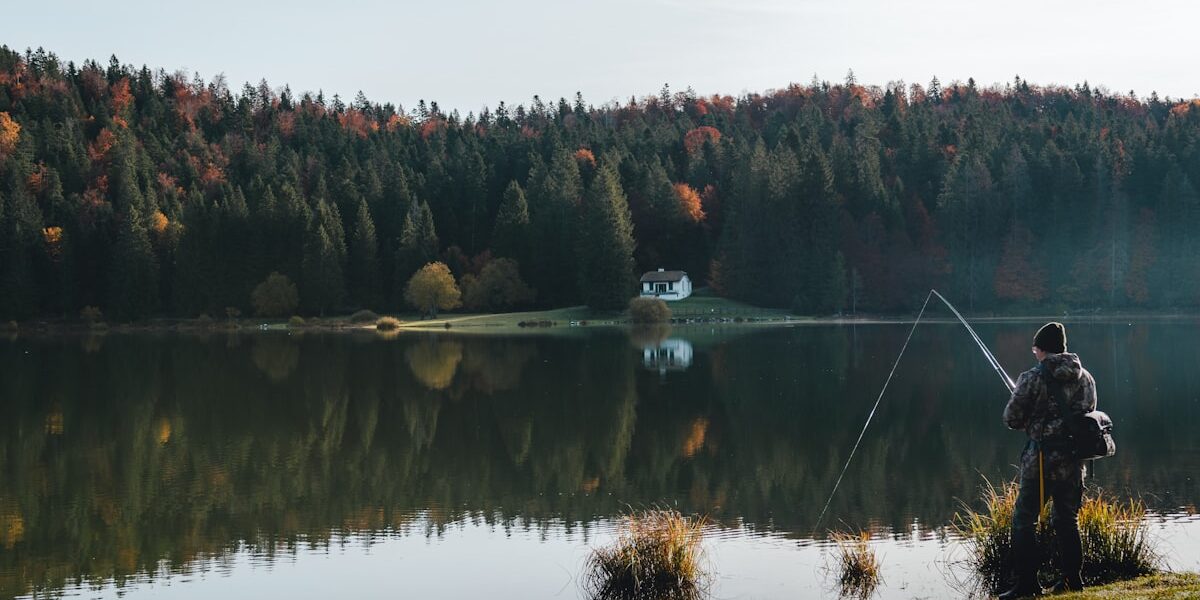
Some fishing lakes are worth driving to. Not just because of the fish — though that matters — but because the combination of scenery, accessible public land, and quality water creates a fishing experience that’s different from a local reservoir or municipal pond. I’ve driven long distances to fish places that were genuinely worth it, and a handful of times arrived somewhere that didn’t deliver on its reputation. Here’s a framework for finding scenic lakes worth the trip, plus some that have earned their reputations.
How to Research Lakes Worth the Drive
The best starting point is state fish and wildlife agency websites. Most publish annual fishing reports, stocking schedules, and access point information for public lakes. This is free, current, and more reliable than most forums because it comes from the people actually managing the fishery. If a lake has a notable trout or bass fishery, the agency knows about it and likely has data on it.
Apps like Fishbrain and Anglr aggregate user-reported catch data and can show you which lakes in a region are currently producing fish. The spot coordinates people share are often imprecise by design — nobody gives away their exact spot — but the general activity data is useful for filtering a list of options. National Park Service and Forest Service websites are underused resources for identifying remote and scenic lakes on public land. These waters are often lightly pressured precisely because people don’t realize they’re accessible.
Types of Fish in Scenic Lakes
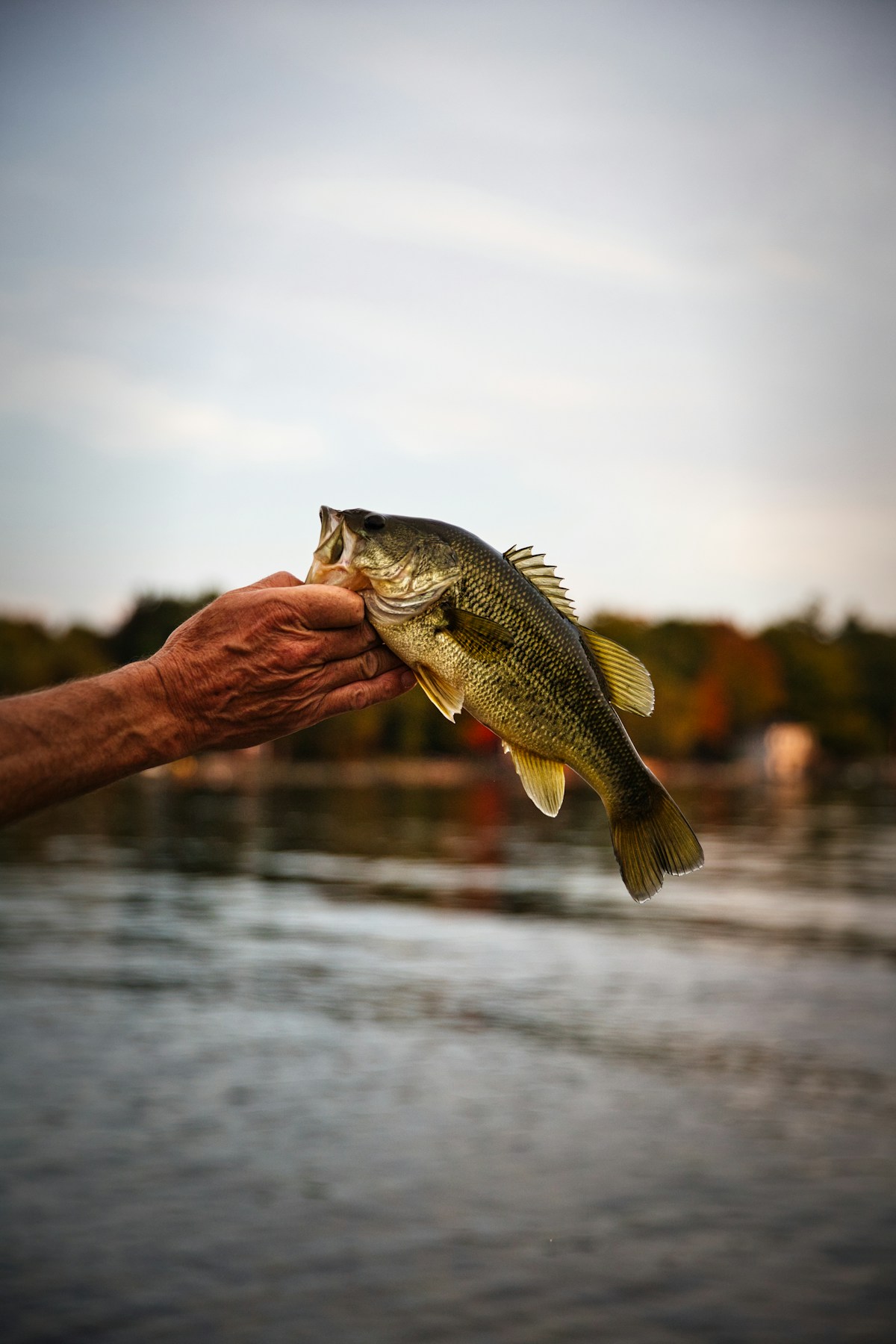
The fish species worth traveling for tend to cluster in specific environments. Cold, deep, clear mountain lakes hold trout — rainbow, brown, brook, and cutthroat depending on region and elevation. These are the lakes in National Forests and wilderness areas that require some effort to reach and produce fish that look like they belong in a painting. Large natural lakes in the north — Great Lakes tributaries, Minnesota lake country, the Adirondacks — hold walleye, muskellunge, and lake trout in water that’s scenic in a different, wilder way.
Southern impoundments like Lake Fork in Texas, Lake Okeechobee in Florida, and Pickwick Lake in Alabama offer world-class bass fishing with a very different aesthetic — warm, weedy, productive. Western reservoir systems provide accessible trout and bass in dramatic landscape settings. The fish you’re targeting shapes which scenic regions are relevant to your trip planning.
Lakes That Deliver by Region
The following are lakes with legitimate reputations for both scenery and fishing quality — worth including on a travel list if the region is within driving range:
- Lake Tahoe, California/Nevada: Extraordinary clarity (visibility exceeds 60 feet in good conditions), dramatic mountain setting, and a quality mackinaw (lake trout) fishery in deep water. The scenery alone justifies the drive; the fishing is a bonus.
- Lake Champlain, Vermont/New York: Northern pike, walleye, bass, and landlocked salmon in a historic lake along the Green Mountains. Lightly pressured compared to lakes farther south.
- Crater Lake, Oregon: The deepest lake in North America at 1,943 feet, formed in a collapsed volcanic caldera. Rainbow trout and kokanee salmon in strikingly blue water. No natural fish population existed historically — all fish were introduced.
- Flathead Lake, Montana: The largest natural freshwater lake west of the Mississippi. Bull trout, lake trout, and walleye in a setting backed by the Mission Mountains. Fishing regulations are strict for bull trout — read them carefully before you go.
- Lake Fork, Texas: Not scenic in the mountain lake sense, but it holds more bass over 13 pounds than virtually any other lake in the country. Worth the drive for bass anglers who prioritize fish over landscape.
Best Times for Fishing Scenic Lakes
Early morning consistently outperforms any other time of day for most species in most conditions. On a destination trip where you’ve driven several hours to fish a specific lake, setting the alarm for 4:30 AM to be on the water at first light is not optional — that’s where the fish are most active, and you’ve already done the hard work by making the drive. Late afternoon into evening is the second-best window.
Seasonal timing depends on species and elevation. Mountain lakes at high elevation open up in late May or June after ice-out and fish well through September before conditions deteriorate. Lower-elevation and southern lakes tend to fish well in spring and fall and slow down in the summer heat. Researching peak fishing periods for your specific target species on a specific lake is worth the time investment before a long drive.
Conservation and Respect for Nature
Destination fishing lakes often have more fragile or carefully managed fisheries than local waters. Catch and release is particularly important in mountain lakes where natural reproduction is slow or limited. Follow the specific regulations for the water you’re fishing — catch limits, size restrictions, and gear restrictions exist for reasons, and scenic destination lakes attract enough attention that violations are noticed. Pack out everything. Leave the access point in better condition than you found it. These places are worth protecting.
Preparing for a Destination Fishing Trip
- Research license and permit requirements well in advance — some popular destination lakes require separate access permits that sell out quickly.
- Check access road conditions before you drive. Forest Service roads that show as open on maps may be closed by weather, fire, or seasonal restrictions.
- Talk to a local fly or tackle shop near the lake before you go — one phone call gets you current conditions, recent catches, and which specific spots are producing.
- Bring backup gear. On a trip where you’ve driven four hours, having a spare rod in the truck is basic insurance.
- Check weather for the specific elevation if you’re fishing mountain lakes — conditions at 7,000 feet are different than the forecast at the nearest town.
Worth mentioning: the best destination lake trips I’ve had were the ones where I invested an hour of research before leaving home — current reports, local shop contacts, and a backup plan for weather. The worst ones were the ones where I assumed a famous lake’s reputation was enough to guarantee a good experience without checking current conditions. Preparation is the variable you can control; the fish cooperating is not.

Stay in the loop
Get the latest fishing tales journal updates delivered to your inbox.