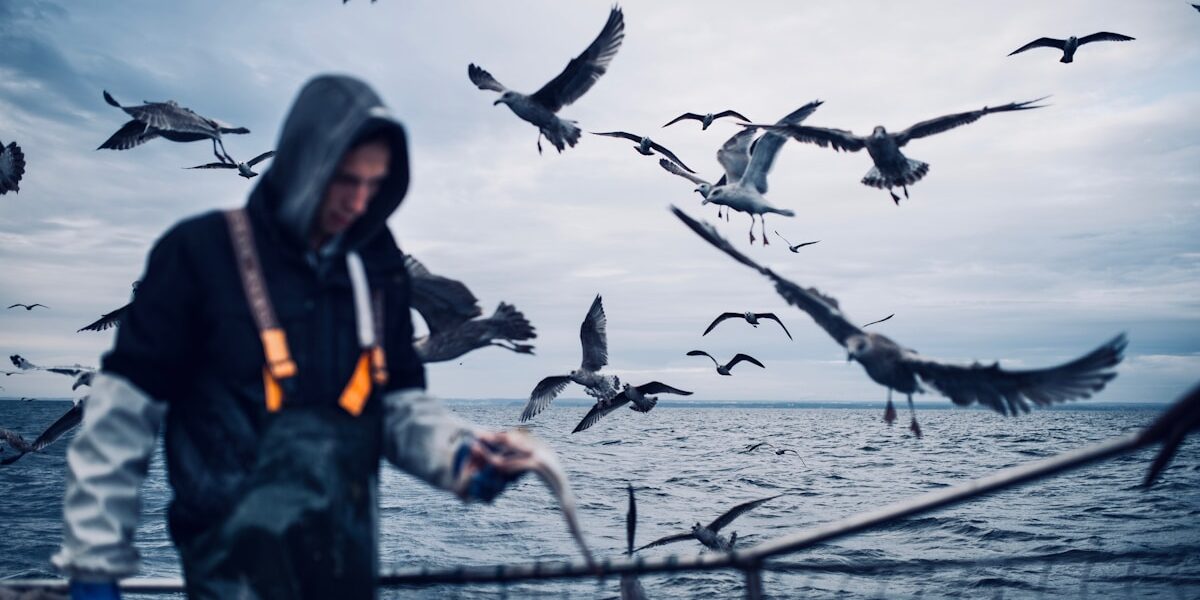
A fishing adventure — whether that means a solo trip to a bucket-list trout river, a family week at a fishing lodge, or just a day trip to a lake you’ve never been to — lives and dies by the planning behind it. The trips I remember most fondly were the ones where I did the preparation work. The ones I remember for the wrong reasons were the ones where I winged it and paid for that in some way. Here’s how I approach planning now.
Pick the Right Location for the Experience You Want
Location selection is more nuanced than just “where are there fish.” Think about what you actually want from the trip. If you want solitude and a real wilderness experience, that points toward remote water with limited access. If you’re bringing kids or beginners, easy shore access, abundant panfish, and nearby amenities matter more than catching trophy fish.
Use your state wildlife agency’s online resources to identify the bodies of water that have the species you’re targeting. Read recent fishing reports — even one or two from the past few weeks tell you more than anything from last season. If you’re traveling to an unfamiliar area, hire a local guide for at least one day. The cost is worth it for the local knowledge alone, and a good guide will tell you things no online research will surface.
Check accessibility before you go. Some of the best fishing spots require a hike, a boat, or a high-clearance vehicle to reach. Know what you’re signing up for so you show up with the right equipment and expectations. Look at satellite imagery to get a sense of the terrain, and verify whether the road to the launch ramp is passable for your tow vehicle.
Sort Out Regulations Early
Regulations are location-specific and they change year to year. Don’t rely on what you knew from a previous trip or what someone told you in a forum. Go directly to the state or provincial wildlife agency website for the specific body of water you’re fishing. Check:
- License requirements — type, resident/non-resident, any special stamps
- Season dates for your target species
- Size limits and bag limits, including any slot limits
- Gear restrictions — some waters prohibit certain bait types, lure types, or number of hooks
- Invasive species regulations around transporting equipment, especially live bait
Do this a week before the trip. If you need to mail-order a license or get a special permit, you need lead time.
Gear Selection and Condition Check
Research the techniques that work on your target water and pack for those. A general all-purpose setup covers most situations, but if you’re going to a known crankbait lake, bring crankbaits in the appropriate depth range. If you’re going to a bream-heavy river, bring ultralight gear and small hooks.
- Rod and reel matched to target species
- Fresh line — respool if there’s any doubt
- Hooks, sinkers, swivels, and bobbers in appropriate sizes
- Bait for the species (research what works locally)
- Pliers, knife, hook file, extra leaders
Test everything at home the evening before. A reel with a sticky drag or a rod tip guide with a nick in it is a fixable problem at home that becomes an annoying problem on the water. Five minutes of checking saves the first hour of the trip.
Weather Planning
Check the forecast three days out and again the morning you leave. Weather affects fish behavior directly — falling barometric pressure triggers feeding, post-front high pressure often shuts fish down for 24-48 hours. Wind affects casting and boat control. Heavy rain can muddy rivers and change conditions entirely.
Plan your timing around the forecast. If a front is passing through Sunday morning, consider starting Saturday evening when fish are feeding aggressively ahead of it, rather than Sunday afternoon when the fishing will be slow. Early morning and late evening outperform midday under most conditions — plan to be on the water at those windows, not driving to the launch ramp.
Pack for Comfort, Safety, and the Unexpected
- Water and food for the full duration — more than you think you need
- Layered clothing including a rain layer that doesn’t take up much space
- Polarized sunglasses and sunscreen
- First aid kit including hemostats for hook removal
- Fully charged phone with offline maps downloaded
- Headlamp for early morning starts or late evenings
- Spare hooks, line, and basic tackle — stuff breaks
- Trash bags — pack out everything you bring in
For multi-day trips or backcountry water: satellite communicator, water purification, emergency shelter. Tell someone your full itinerary and when to expect you back.
Understand the Water Type
Rivers, lakes, coastal bays, and high-country streams all fish differently and require different approaches. Read up on techniques specific to the water you’re targeting. A river angler who doesn’t understand reading current structure will miss half the fish. A lake angler who doesn’t understand depth and seasonal positioning will fish the wrong water all day.
If you’re new to a water type, talking to locals is the most efficient shortcut. Bait shops near your destination are gold mines for this. Go in, buy something small, and ask specific questions: what depth are fish holding, what presentations are working, is there anything specific to know about this water. Most people will tell you what they know.
Manage Your Time on the Water
Don’t commit to one spot for the whole day if it’s not producing. Move when you’re not getting bites after reasonable time at a location — 20-30 minutes with active presentations is usually enough to assess a spot. Fish don’t owe you their presence in a specific location just because the map suggested they should be there.
Stay observant the whole time you’re on the water. Bait activity, bird behavior, temperature changes, where other anglers are having success — all of it is information. The best day I ever had on a new lake happened because I noticed birds diving in a cove I hadn’t planned to fish and changed course. That kind of adaptability only happens if you’re paying attention.


Stay in the loop
Get the latest wildlife research and conservation news delivered to your inbox.