
So You Want to Find Good Fishing Near You
Finding decent fishing spots has gotten complicated with all the conflicting advice flying around online. As someone who’s spent the better part of two decades chasing fish in every type of water I can get to, I learned everything there is to know about locating, preparing for, and actually catching fish on local trips. Today, I will share it all with you.
Look, fishing isn’t rocket science. People have been doing it for thousands of years. But there’s a real difference between showing up at a random pond with a Walmart rod and actually knowing what you’re doing. Whether you’ve been at this for years or you’re just getting started, there’s always something new to pick up — and honestly, that’s what keeps it fun.
Different Ways to Fish (Pick Your Poison)
There’s more than one way to catch a fish, and the type you go with depends a lot on where you live and what you’re after. Here’s the rundown:
- Freshwater Fishing: Rivers, lakes, ponds — this is where most people start. You’re going after bass, trout, catfish, panfish, that sort of thing. It’s accessible pretty much everywhere and doesn’t require a boat (though having one helps).
- Saltwater Fishing: If you’re near the coast, this opens up a whole different world. Marlin, tuna, sea bass, redfish — the species list is long. You can fish from shore, off a pier, or head way offshore on a charter.
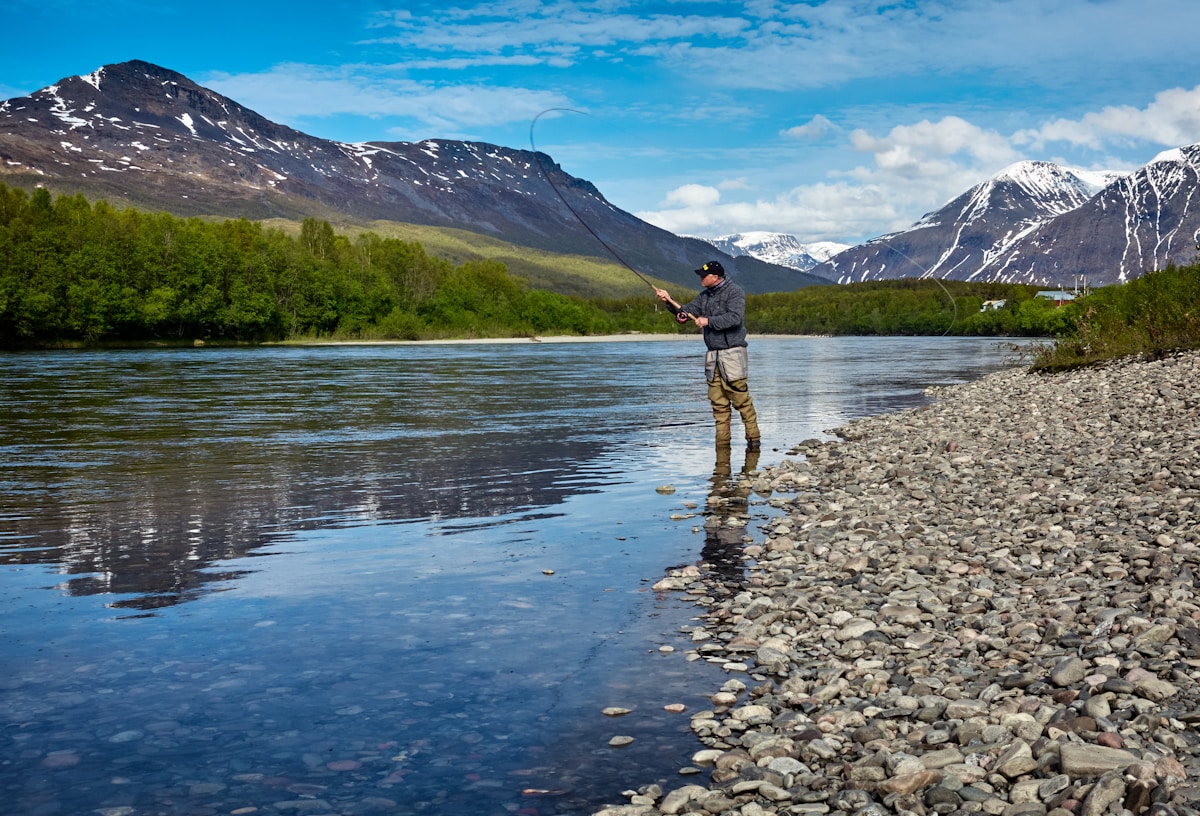
- Fly Fishing: This one’s a bit of an art form. You’re using lightweight artificial flies and a specialized casting technique. Mostly done in rivers and streams for trout and salmon, but people fly fish in salt water too.
- Ice Fishing: If you live up north, you already know about this. Drilling holes through frozen lakes and sitting over them in the dead of winter. It sounds miserable but it’s actually a blast once you get into it.
How to Actually Find Good Spots Nearby
Probably should have led with this section, honestly. Finding where to fish is half the battle. Here’s what works:
- Apps and Maps: Fishbrain and Navionics are both solid. They’ll show you where people are catching fish and what they’re using. Google Maps works too — just look for blue spots and public access points.
- Your Local Tackle Shop: Seriously, walk in and talk to the folks behind the counter. They fish constantly and they’ll tell you what’s biting and where. Buy something while you’re there — don’t be that person who just takes free advice.
- Online Communities: Facebook groups and fishing forums are goldmines for local intel. People share reports, photos, and sometimes even GPS coordinates. Just be ready to contribute back.
- State Parks and Reserves: A lot of people overlook these. Most state parks have designated fishing areas with decent access. Check their websites for maps and any special rules.
Know the Rules Before You Go
Nobody wants to get slapped with a fine because they didn’t bother to check the regs. Every state and sometimes every body of water has its own set of rules. Here’s the stuff to look into:
- Fishing License: You need one. Period. Most states let you buy them online now, so there’s really no excuse. Penalties for fishing without one aren’t cheap.
- Seasonal Restrictions: Some species can only be targeted during certain months. This protects fish during spawning season. Your state wildlife department’s website will have all the dates.
- Size and Bag Limits: There’s usually a minimum size and a maximum number of fish you can keep per day. These exist for good reason — they keep the fishery healthy for everyone.
Gear You’ll Actually Need
That’s what makes gear selection endearing to us fishing addicts — there’s always something new to try. But here’s what you genuinely need to get started:
- Rod and Reel: This is your main tool. Match it to the type of fishing you’re doing. A medium-action spinning combo works for most freshwater situations.
- Fishing Line: Get the right pound test for what you’re targeting. Six to ten pound mono is fine for most freshwater species. Braid if you’re fishing heavy cover.
- Bait and Lures: Live bait — worms, minnows, crickets — works almost everywhere. Artificial lures are fun to use and you don’t have to keep buying bait, but they take more skill.
- Hooks and Weights: Bring a variety. Different situations call for different hook sizes, and you’ll need split shots or bullet weights to get your bait down.
- Tackle Box: Something to keep all your small stuff organized. Doesn’t have to be fancy.
- The Basics: Sunscreen, hat, water, snacks, and a first aid kit. Sunburn on the water is no joke.
Tips if You’re Just Starting Out
Don’t overthink this. Fishing’s supposed to be enjoyable, not stressful. Here’s what I’d tell any beginner:
- Keep It Simple: Grab a basic spinning combo and head to a local pond. Freshwater fishing has the lowest barrier to entry and you’ll catch something eventually.
- Learn Two Knots: The Palomar knot and the improved clinch knot. That’s it. Those two will cover 90% of what you need. Practice at home with a heavy hook so you can see what you’re doing.
- Watch Other Anglers: If someone’s catching fish and you’re not, pay attention to what they’re doing differently. Most fishermen are happy to chat if you ask nicely.
- Embrace the Slow Days: Some days the fish just aren’t cooperating. That’s part of it. Enjoy being outside, enjoy the quiet, and don’t measure every trip by how many fish you brought home.
- Stay Safe: Wear a life vest if you’re on a boat, keep an eye on the weather, and let someone know where you’re going. Basic stuff, but it matters.
Leveling Up Your Techniques
Once you’ve got the basics down and you’re ready to get more serious, there’s plenty to dig into:
- Reading Fish Behavior: Fish respond to weather fronts, water temperature, time of day, and seasonal patterns. Understanding when they feed and where they hold up makes a huge difference.
- Better Casting: Flipping, pitching, and roll casting aren’t just show-off moves — they let you put your bait exactly where it needs to be, especially around structure and cover.
- Customizing Your Tackle: Swapping out trailer hooks, adding scent to soft plastics, modifying your rigs — small tweaks can turn a slow day into a great one.
- Using Electronics: Fish finders and GPS units aren’t cheating, they’re tools. They help you find structure, read depth, and locate schools of fish faster.
Take Care of the Water
This is something I feel strongly about. The fishing’s only going to stay good if we take care of what we’ve got. Here’s how to do your part:
- Practice Catch and Release: You don’t have to keep everything you catch. Learn proper release techniques — wet your hands before handling fish, use barbless hooks, and get them back in the water quickly.
- Clean Up After Yourself (and Others): Pick up your line, your bait containers, and any trash you see. Join a local cleanup event if you can. It takes almost no effort and it makes a real difference.
- Respect the Environment: Follow posted rules, stay out of restricted areas, and don’t disturb nesting birds or other wildlife. We’re guests out there.
- Stay Current: Regulations change, invasive species pop up, and new conservation programs launch all the time. Stay in the loop through your state wildlife agency and local fishing clubs.

Stay in the loop
Get the latest wildlife research and conservation news delivered to your inbox.