The Day Everything Changed at Miller’s Pond
Getting kids into fishing has gotten complicated with all the screen time competition and overstimulation flying around. As someone who caught a six-inch bluegill at age seven and still hasn’t recovered from the addiction, I learned everything there is to know about why first fish matter more than any trophy you’ll ever catch. Today, I will share it all with you.
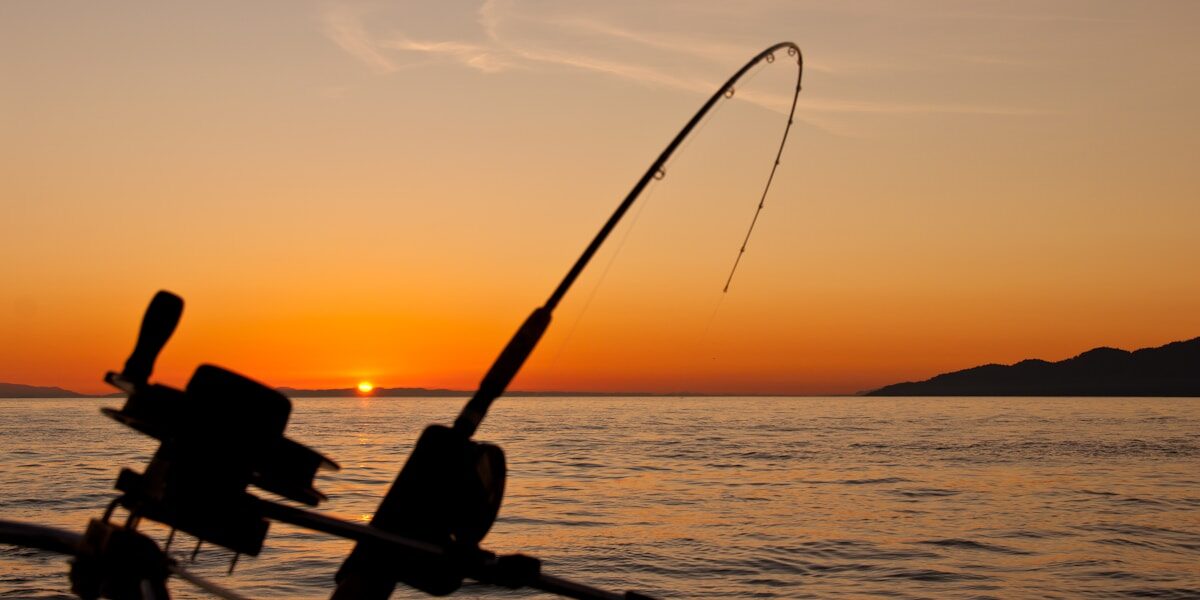
I was seven years old. Rickety wooden dock at Miller’s Pond in central Ohio. Armed with a Zebco 202 combo my grandfather bought at Kmart for twelve dollars. Rod was too long for my small frame. Could barely work the push-button reel. Didn’t matter one bit. What mattered was that red-and-white bobber dancing three feet off the dock, and the certainty that something was about to happen.
Grandpa threaded a piece of nightcrawler onto a gold Aberdeen hook, size 8, and showed me how to flip it past the lily pads. “Watch the bobber,” he said. “When it goes under, count to two, then pull.” Simple instructions I’ve never forgotten. Thirty years later they’re still tattooed on my brain.
Six Inches of Pure Magic
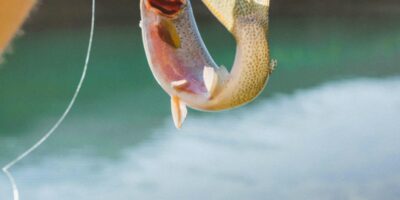
Bobber went under. I counted way too fast — probably half a second — and yanked with everything my skinny arms could produce. Bluegill came flying out of the water, spinning through the air, and landed on the dock boards with a wet slap. Maybe six inches long. Bright orange belly. Bars of iridescent blue on its gill plates. I remember thinking it was the most beautiful thing I’d ever seen.
Grandpa laughed and showed me how to hold it. Thumb on the lower jaw. Careful of the spiny dorsal. “That’s a nice bull gill,” he said, and those words made me feel like I’d conquered the entire world. We released it back into the murky water and I immediately demanded to catch another one.
What a Bluegill Teaches You
Probably should have led with this section, honestly. Looking back now, after thirty years of chasing everything from Ozark smallmouth to Belizean permit, that little bluegill taught me everything fundamental about fishing. Patience — waiting for that bobber to move. Timing — that count-to-two rule. And the addictive rush of connection, that electric moment when a fish takes your offering and the line comes alive between your hands.
Bluegills don’t jump like bass or run like redfish. They don’t need expensive tackle or exotic destinations. But they fight with an honesty that bigger flashier fish sometimes lack. A bluegill on light tackle — say a 4-weight fly rod or an ultralight spinning setup — turns sideways and pumps against the rod with surprising strength. Perfect training ground for young anglers because they bite readily and fight hard enough to be exciting.
The Gear That Started It All
That Zebco 202 eventually broke, probably from being dropped on the garage floor too many times. But I kept the rod. Hangs in my office now, above a shelf of fly-tying materials and old fishing magazines. Cork grip is cracked. Guides are rusty. Still works. Sometimes I take it out for bluegill season just to remember where this whole obsession began.
These days I own rods that cost more than my first car. Got a tackle room organized by species and technique. Bass boat with more electronics than a small airplane. Fly collection that borders on a problem. But none of it would exist without that six-inch bluegill at Miller’s Pond. Not one bit of it.
Why First Fish Matter
That’s what makes first fish stories endearing to us lifelong anglers — every one of us started somewhere. Might be a sunfish, a stocked trout, a saltwater pinfish from a pier. Species doesn’t matter. What matters is the moment — that instant when a kid realizes there’s a whole world beneath the surface, and with patience and a little skill, they can reach into it and make a connection.
If you have kids in your life, find them that moment. Doesn’t require a charter boat or an expensive destination. Local pond, simple rod, piece of nightcrawler. That’s all it takes. You might be starting a lifetime obsession. My grandfather did, thirty years ago on a twelve-dollar Zebco at Miller’s Pond.