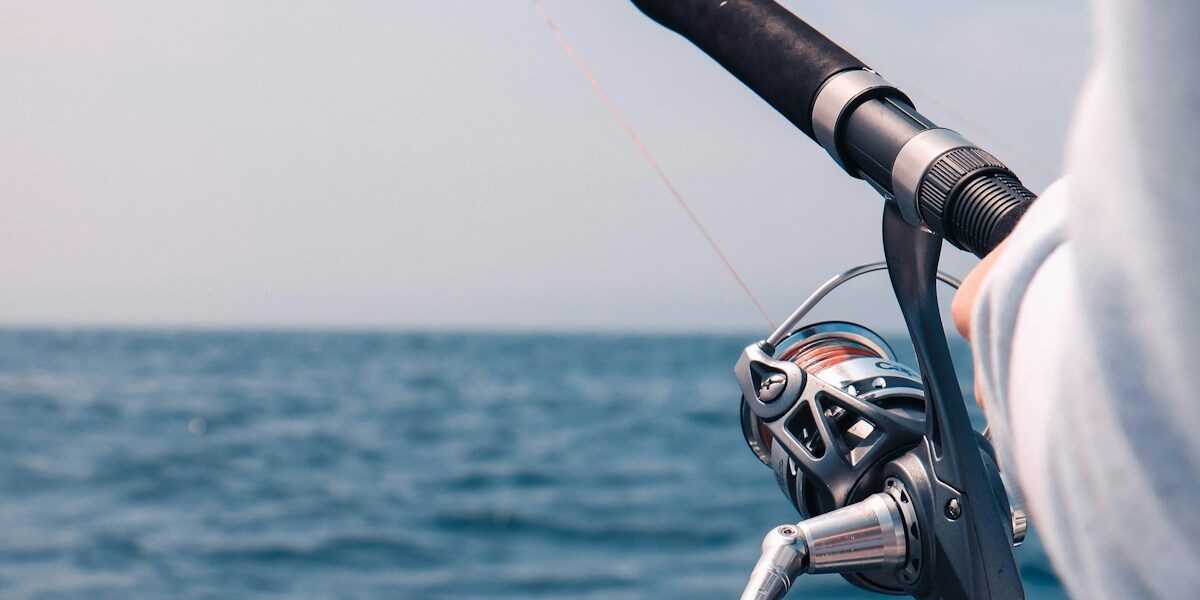
Fluke Fishing for Beginners
Fluke fishing has gotten a devoted following all along the Mid-Atlantic coast, and for good reason. As someone who has spent years drifting for summer flounder from Barnegat Bay to Montauk, I learned everything there is to know about targeting these fish — their habits, their habitat, and what it actually takes to put them in the cooler consistently. Today, I will share it all with you.
But what is a fluke, really? It’s a flatfish — scientifically Paralichthys dentatus — that lies camouflaged on the bottom and explodes upward to attack prey passing overhead. They’re one of the most dynamic inshore species on the Atlantic coast: fast, aggressive, and capable of putting up a real fight on light tackle before they make it to the table as one of the best-eating fish in saltwater.
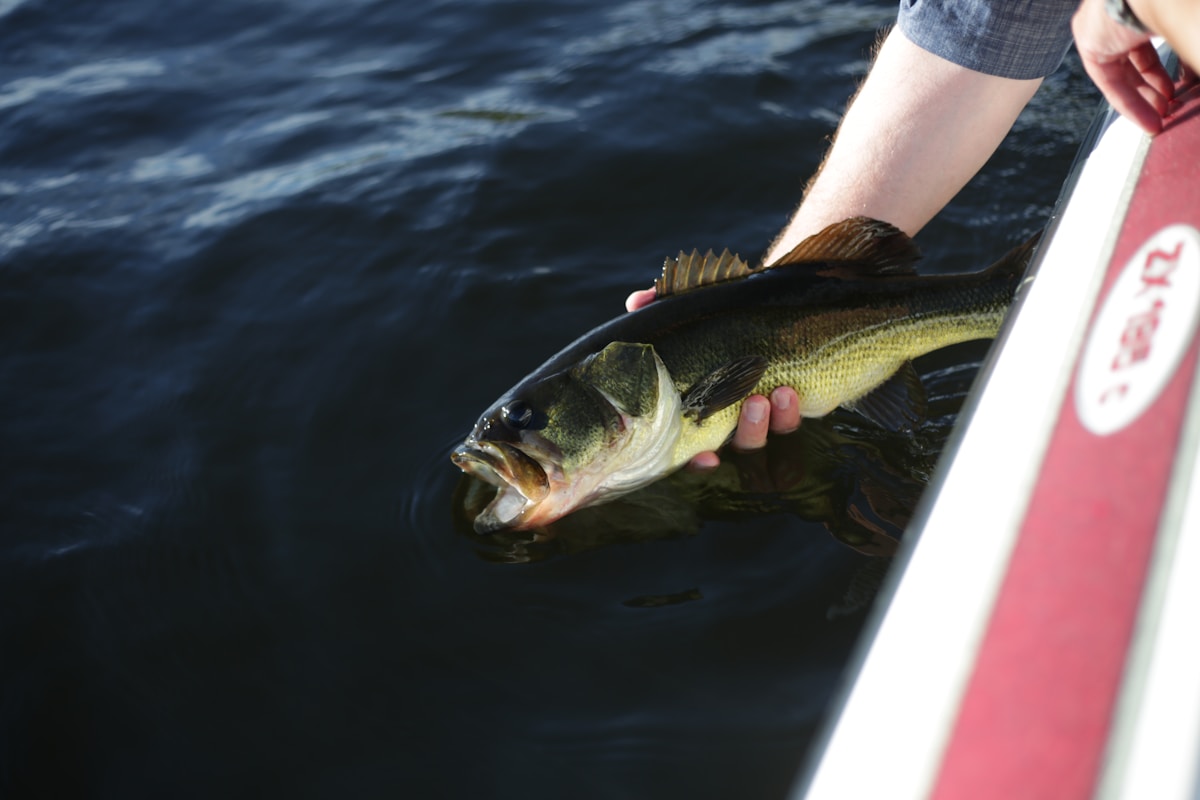
Biological Characteristics of Fluke Fish
Fluke belong to the family Paralichthyidae and have both eyes on the left side of their body — a result of a juvenile metamorphosis during which one eye actually migrates across the skull. If you’ve never seen a photo of a juvenile flounder mid-transformation, it’s worth a search. The flat profile, mottled brown-and-white coloration, and ability to shift color slightly to match the bottom make them nearly invisible to prey approaching from above. That ambush strategy defines everything about how you fish for them effectively.
Fluke Habitat and Distribution
Fluke range from southern Maine to Florida, with concentrated populations from New Jersey to North Carolina. They prefer sandy or muddy bottoms in coastal and estuarine waters — inlets, bays, the edges of channels where current moves baitfish past their ambush positions. They migrate seasonally: inshore in spring and summer to spawn, then back offshore as water temperatures drop in fall. That’s what makes fluke endearing to inshore anglers — they show up reliably each spring and you know exactly where to look for them.
Fluke Fishing Techniques and Gear
Catching fluke consistently requires understanding how they feed. They lie motionless until something edible passes close enough to attack, so your presentation needs to stay near the bottom and move naturally. Anglers typically rig a bucktail jig or a fluke rig — hook with a teaser fly above the main hook — with minnows, squid strips, or artificial soft plastics like Gulp Swimming Mullet.
Drifting is the standard technique: let the boat move with wind and current while keeping the bait bouncing near the bottom. Frustrated by slow days when I was anchoring and waiting, I switched to active jigging while drifting — lifting and dropping a 3/4-ounce bucktail tipped with Gulp — and the catch rate improved immediately once I figured out the right presentation angle relative to the current direction.
I’m apparently someone who treats rod sensitivity as the primary selection criterion, and light to medium spinning tackle in the 7-foot range with a fast tip transmits fluke taps clearly enough to detect subtle strikes. When hooked, fluke give a strong initial head shake and short run, so keep steady pressure without overpowering a fish with a relatively soft mouth.
Regulations and Conservation Efforts
Fluke regulations — minimum size limits, bag limits, and open season dates — vary by state and change year to year based on stock assessments. Check your state’s current marine fishing regulations before every trip; don’t rely on last year’s rules. Minimum sizes typically run 17 to 19 inches depending on jurisdiction. These rules exist because fluke populations are actively managed, and the current stocks are healthier than they were twenty years ago specifically because catch limits were taken seriously.
The Culinary Delight of Fluke Fish
Probably should have led with this section, honestly, because the table quality is a major reason so many anglers target fluke specifically. Mild, delicate flavor, fine-grained white flesh that holds up to heat without falling apart. They bake, broil, fry, and grill beautifully. Simple preparations work best — lemon, butter, fresh herbs — letting the fish’s natural flavor speak for itself rather than competing with heavy sauces. A fresh fluke fillet from a fish you caught that morning is genuinely one of the better things the ocean produces.
Studying Fluke Fish Behavior
Fluke can shift their coloration to match different bottom substrates within minutes — an active camouflage capability that’s part of what makes them such effective ambush predators. Understanding their predatory habits directly improves your results: fish actively chasing baitfish respond to fast-retrieved swimbaits; fish holding tight to structure in slower current respond better to a slow-dragged Gulp or a bait draped naturally over the bottom. The two situations call for different presentations, and reading which one you’re dealing with on a given drift makes a significant difference in catch rate.
The Economic Impact of Fluke Fishing
Fluke fishing generates substantial economic activity all along the Mid-Atlantic coast — charter boats, party boats, bait shops, tackle retailers, marinas, waterfront restaurants. The summer flounder season is a genuine economic driver for coastal communities from New Jersey to Virginia. Sustainable management practices and angler compliance with harvest rules protect both the fishery itself and the local economies built around it. That’s a connection worth being conscious of when you’re deciding whether to keep a borderline-sized fish.
Fluke fishing rewards patience and attention to conditions. Find the right drift angle, use the right presentation, stay close to the bottom, and this fish will put a serious bend in your rod and a serious meal on your table. For a beginner inshore angler on the Mid-Atlantic coast, there’s not a better species to start with.
Recommended Fishing Gear
Garmin GPSMAP 79s Marine GPS – $280.84
Rugged marine GPS handheld that floats in water.
Garmin inReach Mini 2 – $249.99
Compact satellite communicator for safety on the water.
As an Amazon Associate, we earn from qualifying purchases.

Stay in the loop
Get the latest wildlife research and conservation news delivered to your inbox.