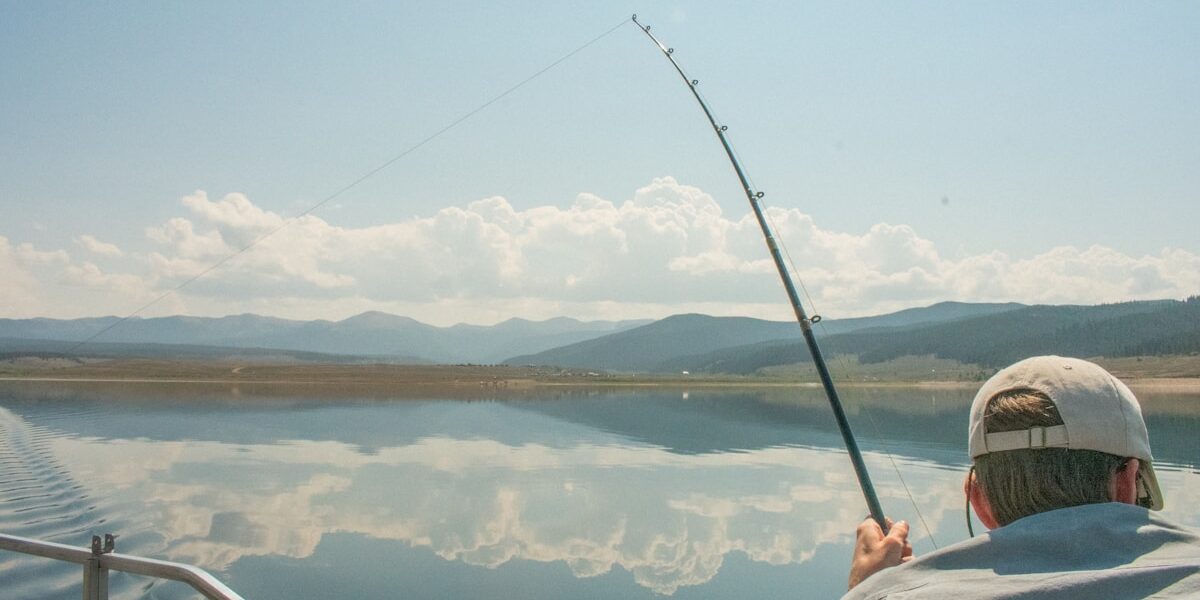
Someone asked me the other day whether fishing counts as a “real” activity or just something people do to justify sitting outside. I’ve heard variations of this question for years and always find it interesting — as if there’s a threshold of physical exertion or competitive structure that determines whether something qualifies. Fishing clears that bar from multiple directions at once, and it does so in ways that aren’t immediately obvious from the outside.
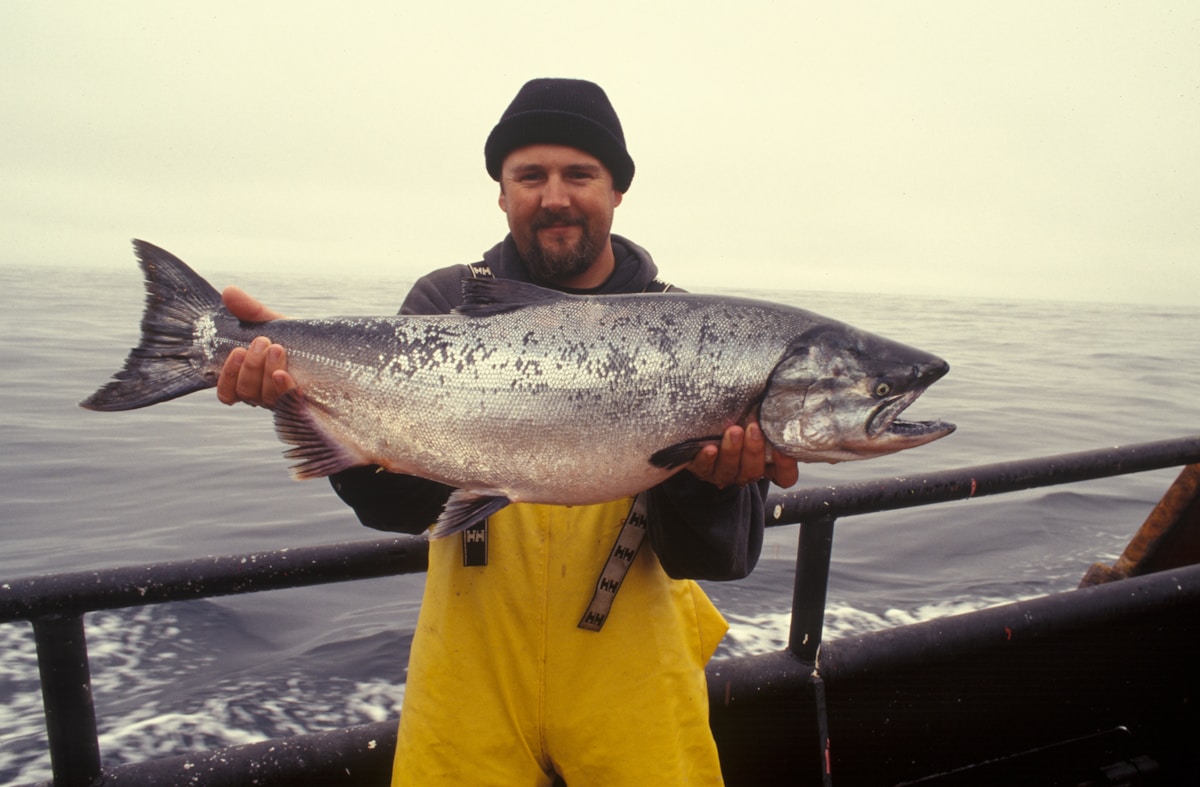
At its most basic, fishing involves catching fish from freshwater or saltwater environments. That basic definition, though, barely touches what the activity actually requires. Physically, anglers handle and manage equipment that varies enormously in complexity — from a simple cane pole and hook to multi-rod trolling setups with downriggers, fish finders, GPS, and precisely calibrated lures at specific depths. The physical demands of a charter boat captain managing six rods in rough water are genuinely significant. So are the demands of wading a fast river for eight hours with a fly rod.
The mental demands are harder to see from the outside but are the majority of what separates good anglers from average ones. Successful fishing requires understanding where fish are and why — which involves knowledge of tides, moon phases, seasonal migrations, water temperature, barometric pressure, forage availability, and habitat preference. The angler who consistently outperforms others on the same body of water is doing a lot of invisible mental work: reading current breaks, identifying subtle structure, predicting where fish will be in two hours when the tide changes. That’s strategic thinking applied under real conditions with immediate feedback.
Beyond the technical dimensions, fishing is a deeply sensory experience that connects people to their environment in a specific way. The quiet periods between bites aren’t idle time — they’re when the water and the surrounding habitat register in ways that don’t happen in other settings. I’m apparently someone who needs an excuse to sit next to water without looking at a phone, and fishing provides that excuse in a form that feels productive rather than passive. The research on stress reduction in natural environments backs up what anglers have been experiencing empirically for centuries: time near water is genuinely restorative.
Fishing also generates community and tradition in ways that other activities often don’t replicate. The sport passes through families — skills and knowledge transferred through shared time on the water rather than formal instruction. Fishing tournaments and community events create social structures around the activity. The culture of sharing spots, swapping techniques, and telling stories is genuinely connective. That’s what makes fishing endearing to the people who practice it seriously — it’s not just a skill, it’s a context for relationship-building across generations.
The economic dimension is easy to overlook but substantial. Fishing supports tackle manufacturing, boat building, bait production, guide services, charter operations, tourism, hospitality, and seafood industries. In many coastal and riverine communities, the fishing economy is foundational. State fishing license revenue funds fish and wildlife management programs that benefit both anglers and non-anglers. The industry is large enough that its health is a legitimate policy concern at state and federal levels.
Worth mentioning: fishing carries real responsibilities that distinguish it from purely recreational pursuits. Sustainable fishing practices matter — catch limits, size regulations, seasonal closures, and habitat protection exist because anglers and fisheries managers understand that the resource can be depleted if harvested without discipline. Responsible anglers participate in conservation actively, not just by following regulations but by supporting clean water initiatives, reporting population data, and practicing catch-and-release when appropriate. The activity asks something of the people who engage in it, which is one of the things that makes it more than a pastime.
Fishing is unequivocally an activity — a complex, multi-layered practice that combines physical skill, mental engagement, sensory experience, social connection, and ecological responsibility in a package that’s accessible to people of widely varying backgrounds and ability levels. Whether someone fishes for leisure, competition, sustenance, or some combination of all three, the activity connects them to something larger than the act itself. That combination is not nothing. It’s actually quite a lot.


Leave a Reply