Into the Wilderness
Wilderness fishing has gotten complicated with all the influencer trip reports and gear lists flying around. As someone who spent five days paddling through the Boundary Waters Canoe Area last August with one fly rod and a spinning backup, I learned everything there is to know about what happens when you disconnect from everything and just fish. Today, I will share it all with you.
The BWCAW sits on the Minnesota-Ontario border. A million acres of interconnected lakes, rivers, and portage trails that haven’t really changed in centuries. No motors allowed. No cell towers. No easy way out. When you paddle in, you’re committing to self-reliance and solitude in a way that’s getting harder to find anywhere else.
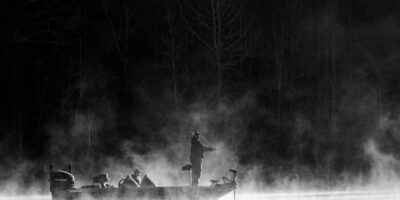
I entered through Moose Lake with a Kevlar canoe, a dry bag of camping gear, and a rod tube with my favorite 6-weight fly rod and spinning combo backup. The permit system limits entry at each access point, so by the second portage I was completely alone. Only sounds were loon calls, wind through pines, and the occasional splash of a jumping smallmouth.
The Fishing
Boundary Waters smallmouth aren’t monsters — my biggest was just under four pounds — but they fight like fish twice their size in that cold clear water. Found them on rocky points, around submerged boulders, and along weed edges in 8 to 15 feet. Topwater worked mornings and evenings, producing explosive strikes that echoed across the quiet lakes. Midday I dropped Ned rigs or small crawfish patterns and picked up fish consistently.
The lack of pressure shows. Fish that have never seen a spinnerbait or crankbait will eat almost anything that looks edible. Caught bass on chartreuse poppers, olive woolly buggers, three-inch plastic crawfish, and a hand-tied deer hair mouse pattern I’d never had confidence in before. Probably should have led with this section, honestly — the Boundary Waters will cure your tackle-buying addiction by proving that presentation and location matter infinitely more than having the perfect lure.
The Silence
What I didn’t expect was how the silence would rewire me. By day three my breathing had slowed. My thoughts, usually racing through work problems and to-do lists, had quieted to background noise. I’d sit in the canoe with the rod across my lap and just watch the water for thirty minutes at a stretch. Not fishing. Not planning. Just existing in a way I hadn’t since I was a kid.
Wilderness silence isn’t the absence of noise — there’s always wind or water or wildlife. It’s the absence of human noise. No engine hum. No distant traffic. No notification chimes. Your nervous system starts to reset. You realize how much mental energy you burn every day just filtering out the chaos of modern life. That’s what makes wilderness trips endearing to us burned-out anglers — the reset is as valuable as the fishing.
Practical Considerations
Planning a Boundary Waters trip requires homework. You need a permit from the Forest Service during quota season (May through September), and you should reserve months ahead for popular entry points. Gear needs to be portage-worthy — as light as possible while keeping you safe and comfortable. I carried a one-person tent, down sleeping bag, small camp stove, four days of freeze-dried food, and fishing tackle. About 40 pounds total.
Tackle decision matters. I brought the fly rod and one spinning combo, and that was exactly right. You don’t need five rods and twenty-six tackle trays. You need one presentation you trust and enough lures or flies to adapt to conditions. The bass aren’t selective. They’re just hungry.
Why You Should Go
By day five, paddling back toward the exit, I felt something close to sadness at returning to connectivity. My phone, dead weight in my pack for five days, would soon start buzzing with obligations. But I carried something out with me too — a reminder that the noise is optional, that solitude is restorative, and that smallmouth bass in cold water are as fine a quarry as any fish swimming.
If you’ve thought about the Boundary Waters, stop thinking and start planning. It’s not just a fishing trip. It’s a hard reset for your entire relationship with the natural world.