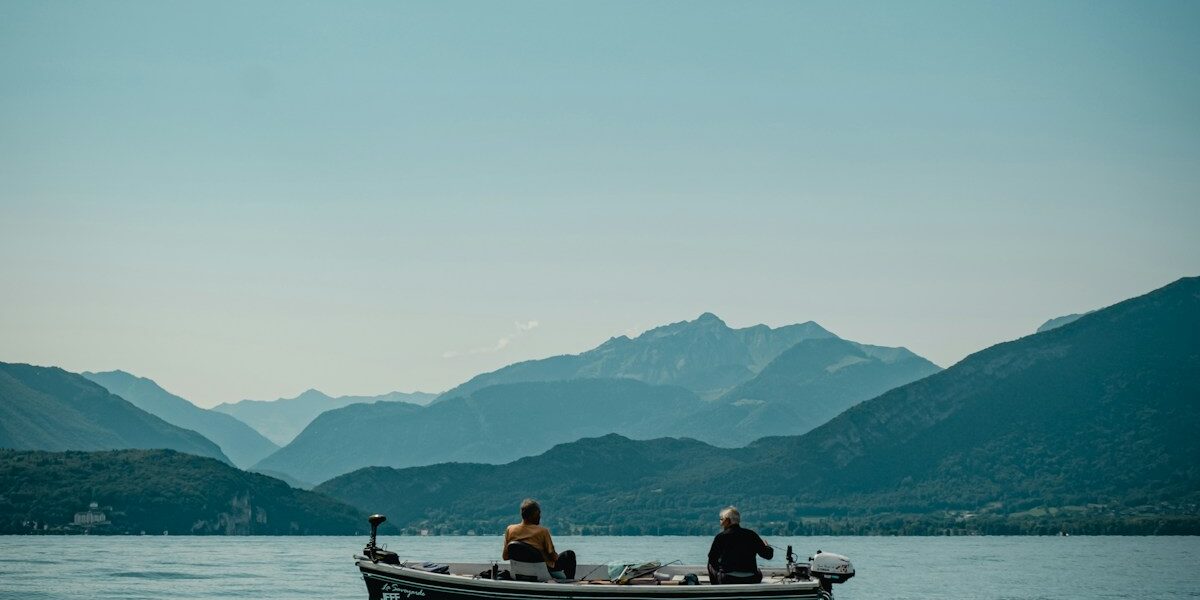
A fishing trip that goes sideways is almost always a planning problem. I say that as someone who has shown up to a lake without a fishing license, realized I forgot to restock split shot, and once drove two hours only to discover the boat ramp was closed for maintenance. All preventable. Good preparation isn’t about being obsessive — it’s about removing the friction so you can actually focus on fishing when you get there.
Research Before You Go
Don’t show up blind. Spend 30 minutes researching your destination before the trip. Your state fish and wildlife agency’s website usually has stocking reports, species lists, and access information. Local fishing forums and Facebook groups for specific bodies of water are noisy but often contain recent catch reports with real details.
Check the regulations for that specific body of water — not just the general state regs. Some lakes have special rules on bait, gear, catch limits, or seasons that differ from the standard regulations. Regulations are free to look up and the fines for ignoring them aren’t. Get your license current before you leave home, not in the parking lot on your phone with bad signal.
Pick your timing with intention. Early morning and late evening consistently outperform midday, especially in summer. An overcast day fishes better than a bluebird sunny one most of the time. Two hours at dawn often beats a full day starting at 10 AM.
Gear Checklist
Run through this the night before, not the morning of. The morning of, you’re moving fast and you’ll miss things.
- Rod and Reel: Match to your target species. A medium spinning setup handles most freshwater situations. If you’re going after large bass or pike, step up accordingly.
- Fishing Line: Check for frays, memory coils, and abrasion damage. If the line’s been on the spool since last fall and lives in a warm truck, just respool it.
- Hooks and Bait: Bring more hooks than you think you need. They’re cheap and you’ll lose some. Match size to species — oversized hooks on small fish is a real problem.
- Net: A rubber mesh net is worth having. It’s gentler on fish if you’re releasing and it doesn’t tangle hooks the way nylon mesh does.
- Tackle Box: Pliers, line cutters, extra hooks and split shot, a hook file, a spare bobber. That’s the minimum. Spend five minutes checking it’s all actually there.
- License: Current, valid for that body of water, in your wallet or on your phone.
Packing Essentials
Dress in layers. Weather on the water can change fast and the forecast is often wrong for small bodies of water. A rain jacket that compresses small costs nothing to bring and saves a whole trip if it rains at 10 AM.
Water, more than you think. Fishing is dehydrating even when it doesn’t feel like it, especially in warm weather on open water. Bring food that doesn’t require preparation — protein bars, trail mix, sandwiches. You won’t want to stop fishing to cook.
- First Aid Kit: Small, compact, with bandages, antiseptic, and a pair of hemostats for deeply-hooked fish. Hooks find fingers regularly.
- Sunscreen and Bug Spray: Water reflects sun and you’ll burn faster than you expect. Reapply throughout the day. DEET-based bug spray for serious mosquito situations.
- Navigation: Your phone works if you have signal. If you don’t, a downloaded offline map is the backup. A compass and printed topo for serious backcountry trips.
- Camera: Your phone is probably fine. A waterproof case or a dry bag protects it. You’ll want a photo of anything worth remembering.
Sharpen Your Skills Beforehand
If you haven’t fished in months, spend fifteen minutes practicing your cast in the backyard. It sounds unnecessary but muscle memory fades faster than you’d expect and the first cast on the water shouldn’t be your warmup cast. Work through your knots too — tie a few Palomars and Improved Clinches before the trip so your fingers remember what they’re doing.
I’ve started drilling knots while watching TV in the evenings before a trip. Takes five minutes and means I’m not fumbling with cold fingers at the water’s edge in the dark at 5:30 AM.
Safety
Tell someone where you’re going and when you expect to be back. This is especially important for solo trips to remote water. A quick text with GPS coordinates or just the lake name and planned return time could matter if something goes wrong.
Wear a life jacket on the water. This is non-negotiable from a boat and a reasonable precaution when wading. Even strong swimmers in cold water experience cold shock and lose muscle function faster than they expect. The PFD stays on.
Check weather before you go, not as you’re leaving. A storm building in the afternoon is something to know about at 5 AM, not when you’re already a mile offshore on a kayak.
Take Care of the Resource
Wet your hands before handling any fish you’re releasing. Use barbless hooks or crimp the barb — releases are faster and fish recovery is better. Keep the fish in the water as much as possible during hook removal. If you’re taking a photo, have the camera ready before you lift the fish.
Pack out everything you bring in. Discarded fishing line is a serious hazard to birds and wildlife and it doesn’t break down. Most boat ramps have line recycling tubes — use them. Leaving a spot cleaner than you found it is just how this should work.
A Few Last Things
Be adaptable. What you planned to throw might not work on the day. Bring enough variety to pivot — a couple of different lure types, natural and artificial bait options. The ability to change your plan when conditions demand it is often the difference between a good day and a slow one.
Respect the other anglers out there. Give people space. Don’t crowd a productive spot someone else has been working. The water is big enough and the goodwill of a fishing community is worth more than any single spot.


Stay in the loop
Get the latest wildlife research and conservation news delivered to your inbox.