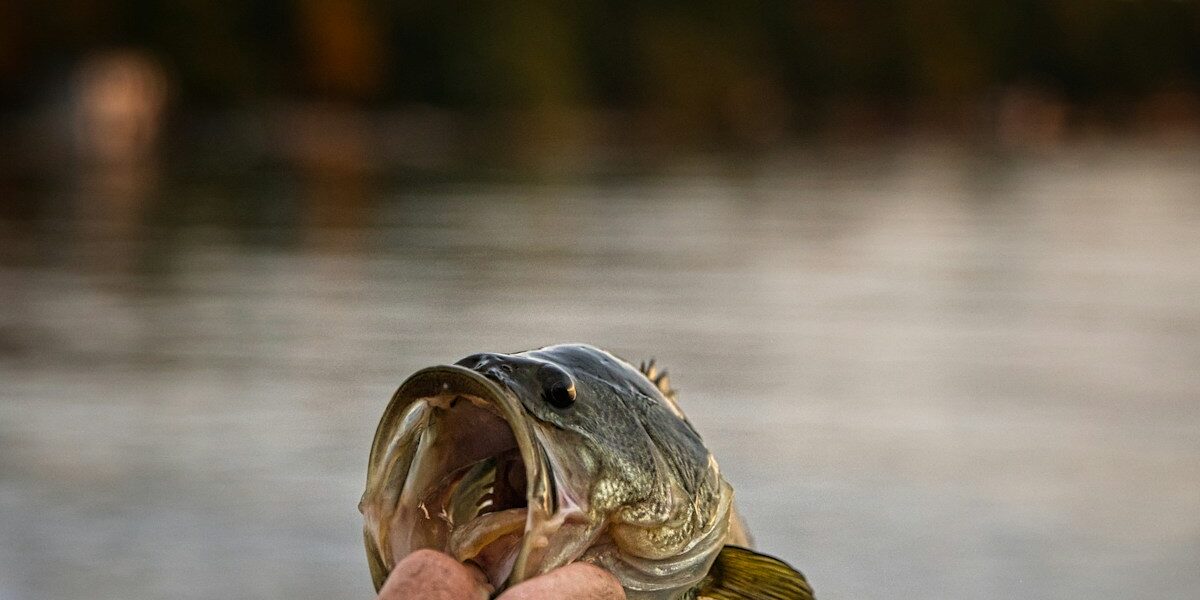
Hook selection is one of those topics where the fishing industry has convinced a lot of people that complexity is necessary. It isn’t. For sport fishing across most species and most applications, three hook designs handle the overwhelming majority of situations: the J-hook, the circle hook, and the treble hook. Understanding what each one does and when it’s the right choice is genuinely all you need.
The J-Hook
The J-hook is the oldest and most versatile design in fishing — it’s been in use in various forms for thousands of years, and the fundamental geometry hasn’t changed. The point curves back toward the shank in the classic J shape, which is where the name comes from. When a fish takes the bait and the angler sweeps the rod to set the hook, the point drives into the tissue and the gap prevents the fish from shaking free.
J-hooks work on almost every species and with almost every bait presentation. Live bait, cut bait, soft plastics, and natural bait all rig effectively on a J-hook. The limitation is that they require an active hook set from the angler — if you don’t strike when the fish takes the bait, the hook won’t drive in on its own. This means you need to be paying attention and react quickly. For live bait fishing, this isn’t a problem when you’re holding the rod. For unattended rods or setlines, it can mean missed fish.
Size selection matters with J-hooks. A hook that’s too small for the bait won’t hold the bait well and gives the fish a mechanical advantage. A hook that’s too large presents poorly and reduces hook-up rates. Match the hook size to the bait size, not the fish size — the hook that secures a 3-inch minnow properly is the right size, regardless of whether you’re fishing for trout or striped bass.
The Circle Hook
The circle hook is designed around a specific mechanical principle: rather than requiring an active hook set, the hook is engineered to find the corner of the fish’s mouth automatically as the fish swims away with the bait and the line comes tight. The point curves inward toward the shank at nearly a full 90-degree angle, which prevents it from penetrating tissue unless it’s positioned at the mouth corner — the only place where the geometry allows it to roll in and set.
The practical result is a hook that dramatically reduces gut-hooking (the fish swallowing the hook before the angler reacts) and increases the percentage of fish hooked in the mouth corner. This makes circle hooks the standard recommendation for catch-and-release fishing, particularly with live or cut bait where the fish has time to swallow before the angler strikes. The reduced injury to released fish is not a marginal difference — studies have shown significantly higher post-release survival with circle hooks compared to J-hooks in the same bait fishing applications.
The technique adjustment required for circle hooks is counterintuitive: don’t strike. When a fish takes circle-hook bait and starts moving, let the line come tight gradually — reel down and let the hook find position rather than sweeping the rod aggressively. A hard hook set with a circle hook actually causes the hook to pull out rather than set. This takes some getting used to, but it produces better results once the muscle memory adjusts.
Circle hooks are required or strongly recommended in many managed fisheries — striped bass on the Atlantic coast, for instance, requires non-offset circle hooks for bait fishing in certain regulated areas. The regulation reflects documented evidence that proper circle hook use improves the survival of released fish.
The Treble Hook
Three hooks joined at a single shank, evenly spaced 120 degrees apart. The treble hook’s purpose is to maximize the probability of a hook-up when a fish strikes a lure rather than taking bait deliberately — the multiple points mean that wherever the fish contacts the lure, a hook is nearby. Hard-body artificial lures — crankbaits, minnow-style lures, topwater plugs, spoons — use treble hooks for exactly this reason.
The tradeoff is that treble hooks are harder on fish. Multiple hook points create more potential injury on a fish being released, and the hooks are more likely to tangle in landing nets, catch on weeds, and snag clothing or skin. For tournament bass anglers who need to release fish quickly and in good condition, swapping factory treble hooks for single hooks or replacing trebles with inline single hooks has become common practice. The conversion reduces the hook-up rate slightly but produces noticeably healthier released fish.
Treble hook sizing for lures is specific to the lure’s design — the hook size affects the lure’s balance and action, so changing to a dramatically different hook size from what the lure was designed with can alter the way it performs. Most manufacturers specify hook size in the product documentation; replacement hooks in the same size from higher-quality hook makers (Owner, VMC, Gamakatsu) are a worthwhile upgrade over factory hooks on less expensive lures.
Those three designs cover the fundamental applications. J-hooks for active bait presentations and anything requiring a deliberate set. Circle hooks for live and cut bait fishing where you want to maximize release quality. Treble hooks for artificial lures where multi-point coverage improves strike-to-catch conversion. Everything else in the hook aisle is variation on these three themes.


Stay in the loop
Get the latest wildlife research and conservation news delivered to your inbox.