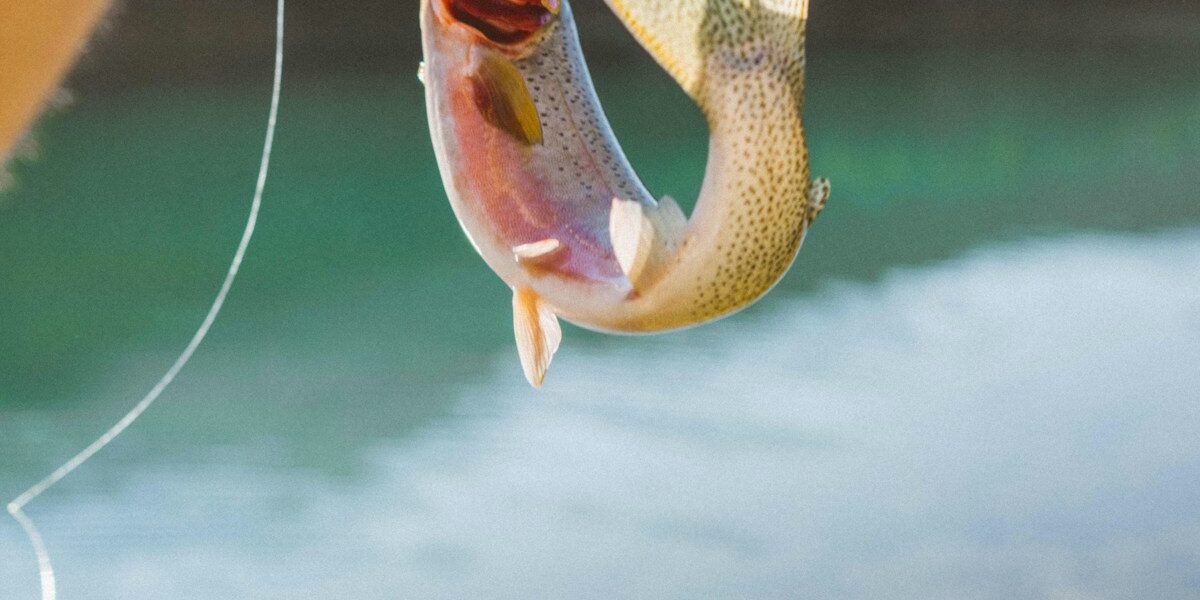
Every angler needs a starting point — the few essential items that make the difference between a frustrating first trip and one that brings you back for more. I’ve been fishing since I was old enough to hold a rod, and I’ve watched a lot of beginners either fall in love with the sport or give it up based largely on whether they had the right gear from day one. Here are the three things every new angler actually needs.
-
A Reliable Fishing Rod: You don’t need an expensive rod to start. What you need is one that’s appropriate for what you’re fishing — lightweight enough to feel bites, strong enough to handle the fish you’re targeting. For most beginner freshwater situations, a medium-light spinning rod in the 6 to 7 foot range handles everything from bluegill to bass without fighting the equipment. A basic spinning combo — rod and reel together — from any sporting goods store in the $30-60 range will catch fish. I’ve watched beginners outfish experienced anglers on entry-level gear because they made better decisions, not better casts.
-
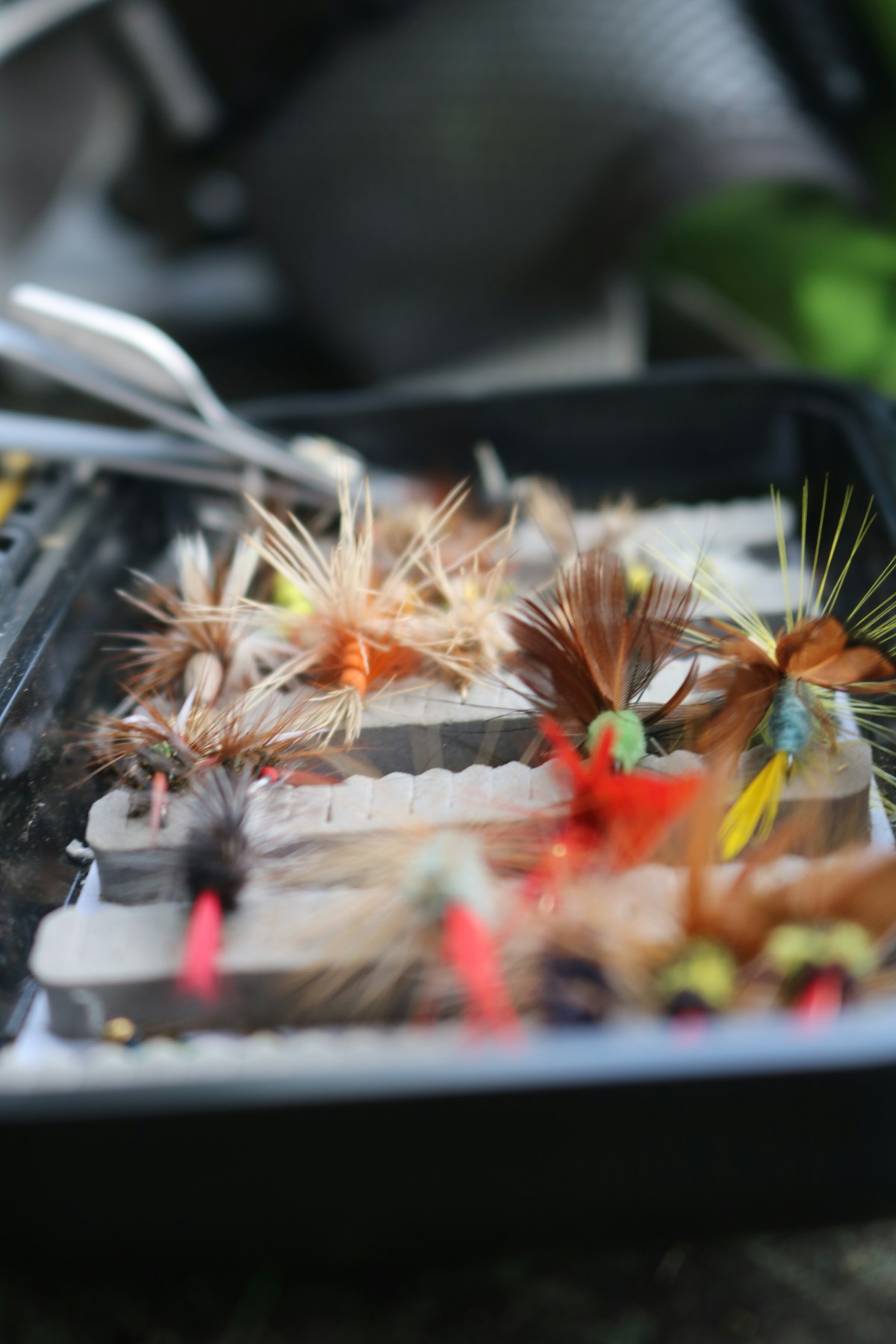
A Versatile Tackle Box: You don’t need 200 lures to get started. You need a small assortment of the right things: a selection of sizes 4-8 hooks, some split shot sinkers, a few small spinners or jigs, and a pack of soft plastic worms or grubs. A pre-assembled beginner tackle kit from a hardware store typically covers this well and costs less than a single specialty lure. The right bait genuinely matters — it’s the difference between a nibble and a hookup — but “right” usually means matching what the fish in that water are eating, not buying the most expensive thing in the store.
-
A Fishing Journal: This one gets skipped by most beginners and regretted by all of them eventually. A simple notebook where you record the date, weather, water conditions, what you caught, what worked, and what didn’t will teach you more in one season than any number of YouTube videos. Every serious angler has tales of that one spot that stopped producing, or that technique that worked perfectly in May but failed by July. Writing it down shows you the patterns. It’s not just a record — it’s how you develop the intuition that separates consistently productive anglers from those who rely on luck.
These three things together represent a complete, functional fishing setup that will serve you well until you understand specifically what you want more of. Fishing isn’t just about the catch — it’s about being outside, paying attention to something other than a screen, and learning a skill that rewards genuine curiosity. So get the basics, find some water, and go find out what’s in it.


Stay in the loop
Get the latest wildlife research and conservation news delivered to your inbox.