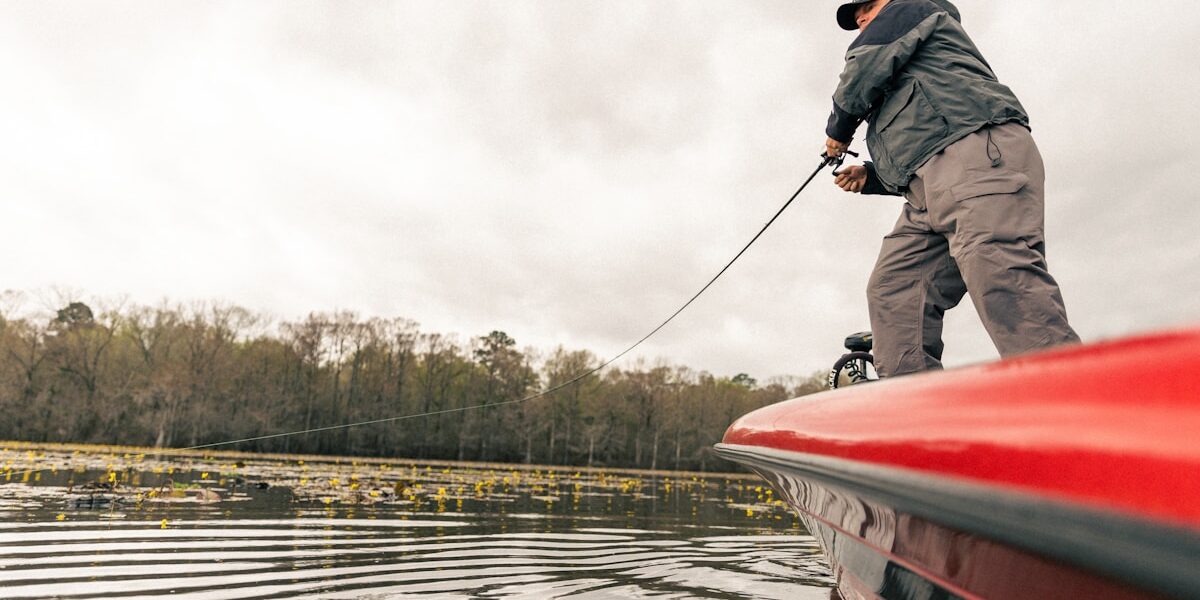
Fishing competitions are organized events in which anglers pursue eligible fish under a written rulebook, a defined fishing period, and a scoring system. The winner may be decided by total weight, the combined length of selected fish, the weight of every scorable catch, or points awarded for species and releases.
That variety is why “competition fishing” can be confusing at first. A live-weigh-in bass tournament operates differently from a catch-weigh-immediate-release event, a kayak tournament based on photographs and length, or an offshore billfish event that emphasizes verified releases. Before entering—or even comparing results—you need to know what counts, how it is verified, and what penalties apply.
Fishing competition formats at a glance
| Format | Typical score | Verification | Key strategic difference |
|---|---|---|---|
| Traditional bass weigh-in | Combined weight of a limited daily catch | Fish presented to tournament officials | Anglers may replace smaller legal fish with larger ones before check-in |
| Catch-weigh-release | Weight of each scorable fish or a defined set | Boat official or approved scale records the catch | Fish can return to the water immediately; standings may update throughout the day |
| Length-based kayak event | Total length of the longest qualifying fish | Photo on an approved measuring board with event identifier | Accurate positioning and photography are part of a valid submission |
| Offshore or multi-species event | Weight, release points, species points, or a combination | Weigh station, observer, video, tag, or release documentation | Target choice and release rules may matter more than accumulating numbers |
These are broad categories, not universal rules. A tournament director can set species, boundaries, minimum sizes, permitted tackle, scoring, and tie procedures differently. The event’s current rulebook always controls.
1. Traditional total-weight tournaments
In a traditional bass event, an angler catches legal fish, keeps a limited number in a livewell, and may “cull” by releasing a smaller fish when a larger one is caught. At check-in, officials verify the catch and record its weight. Multi-day standings usually accumulate eligible weight across competition days.
The format rewards both finding fish and managing a limited catch. A single large bass helps, but a consistent legal limit can be more valuable than gambling an entire day on one trophy bite. Time management also matters: returning late, presenting a short fish, exceeding a possession limit, or bringing a dead fish may reduce a score or trigger a stronger penalty under the applicable rules.
For a concrete example, review the current rule documents published through the B.A.S.S. Nation resources page. They show why competitors must verify eligibility, checkpoints, legal species and length, scoring, fish-care requirements, and penalties for the specific series they enter.
2. Catch-weigh-immediate-release events
Catch-weigh-release changes the rhythm of competition. Instead of carrying a limited bag to an afternoon stage, a qualifying fish is weighed, recorded, and returned to the water near the catch location. Depending on the event, every scorable fish may count or only a defined number may contribute to the total.
Major League Fishing’s professional format is a well-known example. Its 2026 Bass Pro Tour rules describe catch-weigh-immediate-release competition, official weighing and score recording, minimum scorable weights, competition periods, and advancement rounds. Because score updates can occur during the fishing day, anglers may respond to the pace of the field rather than waiting for a final weigh-in.
This format can reward repeated catches and rapid adjustments. It also makes scale procedure, official communication, and the definition of a scorable fish central to the contest. A recreational event that uses an app or self-verification may have different evidence requirements, so do not assume the professional process applies locally.
3. Length-based and kayak tournaments
Many kayak and online events use catch-photo-release. An angler places the fish on an approved measuring board, includes the event’s required identifier, takes a photograph that meets the rules, and releases the fish. Judges review submissions and may reduce or reject a measurement when the mouth, tail, identifier, board markings, or photograph does not comply.
The score is often the combined length of an angler’s longest qualifying fish, but event rules vary. Some allow the tail to be pinched; others specify its position. Some round down to the nearest visible mark. A photo that looks impressive on social media can still be invalid for competition.
Practice the full measurement routine at home with an empty board and identifier before tournament morning. Set the camera or phone tether where it cannot fall overboard, make board markings readable, and learn how to control a fish without covering required features. Faster handling protects the fish and reduces lost fishing time.
4. Offshore, billfish, and multi-species events
Offshore tournaments may award points for eligible releases, landed fish, species, line class, or weight. Because rules and conservation priorities differ by event, two tournaments targeting similar fish can produce very different strategies. One may emphasize a heaviest-fish weigh-in; another may heavily reward documented releases.
The International Game Fish Association’s tournament resources promote responsible events and provide a tournament guide, while the IGFA International Angling Rules explain sporting tackle and angler-conduct principles used by many organizers. An event may adopt, modify, or supplement those standards, so entrants still need its own published rules.
What to read before entering a fishing tournament
Do not stop at the registration page. Download the current rulebook and turn it into a checklist. Confirm all of the following:
- Eligibility: membership, age division, team or co-angler status, insurance, licenses, and registration deadline.
- Eligible water: launch sites, off-limits areas, boundaries, lock rules, and whether trailering is permitted.
- Eligible time: official start, lines-in, lines-out, check-in, and the tournament’s time zone.
- Fish rules: species, minimum length or weight, possession limits, culling, protected fish, and seasonal regulations.
- Tackle and technology: rod limits, bait restrictions, trolling, sonar, communication, mapping, and outside information.
- Scoring evidence: official scale, measuring board, photo identifier, video, observer, app, or weigh station.
- Penalties: late return, dead fish, short fish, excess fish, unsafe conduct, missing evidence, or rule violations.
- Safety: personal flotation devices, kill-switch use, weather postponements, emergency contacts, and required equipment.
Read amendments and meeting notes as well as the main rulebook. Tournament directors sometimes clarify boundaries, minimum sizes, weather procedures, or launch instructions close to the event. Save an offline copy because mobile service may be poor at the ramp.
How to enter your first local competition
- Start with a club or open event. A smaller field and familiar water reduce logistics while you learn procedures.
- Choose the right division. Look for beginner, co-angler, bank, kayak, youth, or team options rather than assuming a boat is required.
- Price the whole day. Include entry fee, membership, launch fee, fuel, bait, required measuring equipment, insurance, lodging, and optional side pots.
- Verify licenses and local regulations. Tournament rules supplement government fishing rules; they do not replace them.
- Attend the briefing. Ask about ambiguous boundaries or procedures before competition begins.
- Set a conservative first goal. Completing check-in safely with valid scoring evidence is a better first benchmark than chasing the win.
A co-angler or team event can shorten the learning curve because another participant already understands launch, check-in, and scoring flow. It does not remove your responsibility to read the rules. Each angler should know what makes a catch legal and how to report a problem.
How to watch a tournament and understand the standings
First identify whether scores are official or estimated. On-the-water tracking can be excellent for following momentum, but a traditional event’s standings may not become official until fish are inspected and weighed. In catch-weigh-release formats, an official score system may update much earlier.
Next, note whether the displayed number is daily or cumulative. In an elimination event, previous-round weight may reset. In another series, every competition day may accumulate. Cuts can reduce the field, while points standings may reward season-long consistency separately from the event trophy.
At an in-person event, use the organizer’s spectator instructions. Stay clear of launch lanes and official areas, avoid interfering with anglers, and do not reveal locations or information that competitors are prohibited from receiving. If the event offers live video, a results page, or a weigh-in stream, those official channels are usually the clearest way to follow rule explanations and verified results.
Fish care and ethical competition
Competition does not excuse poor fish handling. Prepare the livewell, measuring board, camera, scale, release tools, and landing equipment before fishing begins. Keep handling efficient, support the fish appropriately, follow temperature-related procedures, and release fish according to event and local rules.
Different formats manage fish care differently. Traditional weigh-ins need functional livewells and orderly transfer to officials. Photo events need a stable, wet measuring surface and a fast image process. Catch-weigh-release events depend on accurate weighing and immediate return. Offshore release scoring may require specific leader touches, tag procedures, photographs, or video.
Never invent a result or reuse a photo. Beyond disqualification, false evidence damages the trust that lets remote and catch-photo-release formats work. When a fish or scoring submission is questionable, notify the tournament director and preserve the original evidence.
Frequently asked questions
Do fishing tournaments always score by weight?
No. Events may use total weight, each scorable fish’s weight, combined length, release points, species points, or another published formula.
Can a beginner enter a fishing competition?
Yes, when the eligibility rules permit it. Local clubs, open tournaments, co-angler divisions, kayak events, bank events, and youth programs can offer practical entry points. Read the rules and budget before registering.
Do I need a boat?
Not for every event. Some competitions are designed for co-anglers, kayaks, shore anglers, piers, ice fishing, or teams. The registration page and rulebook should specify the permitted platform.
Are tournament rules the same as fishing regulations?
No. Government regulations still apply, while tournament rules add event-specific eligibility, boundaries, scoring, equipment, and conduct requirements. When the event rule is more restrictive, competitors generally must follow it.
What is the most common first-tournament mistake?
Assuming familiar fishing rules are enough. Late check-in, an invalid photo, fishing beyond a boundary, or misunderstanding the scoring limit can erase an otherwise good day. Read the current rulebook and practice the scoring procedure beforehand.
Bottom line
Fishing competitions are easiest to understand by separating four questions: what fish counts, how it is scored, how the catch is verified, and what penalties apply. Learn those rules before choosing tackle or locations. Start locally, practice the complete scoring routine, prioritize safety and fish care, and treat the rulebook—not tradition or hearsay—as the final authority.




Stay in the loop
Get the latest fishing tales journal updates delivered to your inbox.