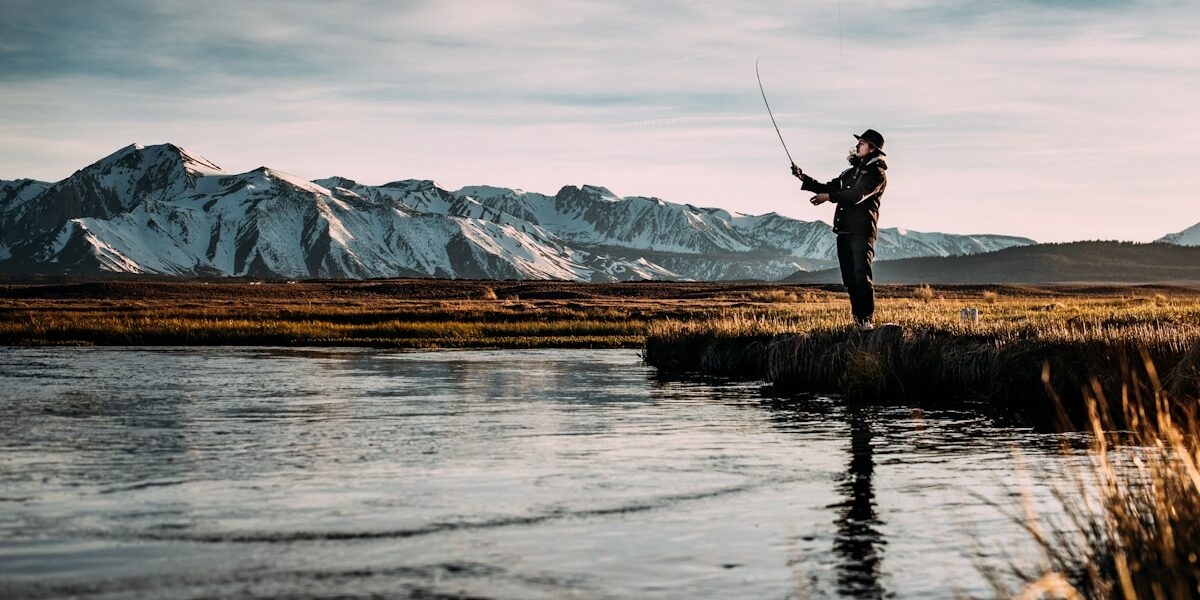
The idea that you need a boat to catch fish is one of those fishing myths that persists way past its expiration date. Some of the best fishing I’ve ever done was from a muddy bank with a lightweight rod and a container of nightcrawlers. Bank fishing requires you to think a bit differently about location and presentation, but the fish don’t care whether you’re standing on shore or floating above them. Here’s how to find good water without owning a hull.
Lakeside Parks
State and county parks surrounding lakes are often the most accessible and well-maintained bank fishing spots available. Many of them have fishing piers that extend into deeper water — which matters because the bank itself often drops off gradually, and the fish may be holding in water you can’t reach from the shoreline alone. A pier gets you out over 8 to 12 feet of water without needing a boat.
Government-managed lakes are frequently stocked, which keeps the fish populations reasonable even under significant pressure. Check the lake’s management history through your state fish and wildlife agency. If it’s listed as a put-and-take trout fishery or a managed bass lake, the stockings are usually on a published schedule that you can plan around.
Public Ponds
Small public ponds get overlooked constantly, which is part of what makes them worth fishing. Smaller water is easier to read from shore — you can see the structure, identify drop-offs visually, and understand where the fish are likely to be without spending hours learning the layout. Many city and county parks maintain ponds specifically for public angling and stock them periodically with catfish, trout, or bluegill.
Regulations vary. Some ponds require a basic state fishing license and nothing else; others have catch-limit restrictions or species-specific rules. Check before you go. The regulations page for your state’s fish and wildlife agency will have the details by water body.
Rivers and Streams
Running water is where bank fishing gets genuinely interesting. Rivers have current, which moves bait and concentrates fish in predictable locations — bends, pools behind large rocks, the slack water on the inside of a curve, deeper runs below riffles. Understanding basic river hydraulics tells you where the fish are before you put a line in the water.
Access is the main challenge. Not every stretch of riverbank is legally accessible from the shore. Some is private property even if the water itself is public. Research public access points, boat ramps, and fishing access areas before heading out. Most states publish access maps through their fish and wildlife departments, and apps like OnX Maps or Gaia GPS show land ownership overlaid on topo maps.
Urban Fishing Locations
Here’s the deal with urban fishing: it’s consistently underrated. The canals, retention ponds, and reservoirs inside city limits hold fish that see almost no pressure because most anglers assume urban water isn’t worth fishing. Bass, sunfish, catfish, and carp do perfectly well in urban water, and carp in particular can grow to genuinely impressive sizes in city ponds.
Urban water is also managed differently. Some city reservoirs are stocked specifically because the municipality wants to provide recreational fishing for residents who don’t have easy access to rural lakes. Ask your local parks department what bodies of water they manage and whether any are stocked — the answer sometimes surprises people.
Beaches and Coastal Piers
Saltwater surf fishing and pier fishing are their own discipline, and both are accessible without a boat. Piers extend out over water that would require a boat to reach from the shore, and they’re often positioned in productive areas specifically because pier operators know where the fish are. The pilings themselves become structure — barnacles, mussels, and small baitfish congregate around them, and larger predators follow.
Tide timing matters enormously in coastal fishing. Fish feed more actively during moving tides — incoming or outgoing — and slow down near slack tide. Check the tide chart for your location before heading out, and plan to be on the water for the two hours before and after peak incoming or outgoing. That’s where most of the action concentrates.
A saltwater fishing license is typically required in coastal areas, separate from freshwater licenses in most states. The fee is modest and the requirement is real — don’t skip it.
Wildlife Management Areas
Wildlife management areas — WMAs — are state-managed land specifically designed to support public hunting, fishing, and wildlife observation. They often include substantial water: lakes, ponds, impoundments, and stream access points within the managed area. The fishing quality in WMAs is frequently better than in more accessible locations because fewer people make the effort to find and use them.
Access rules vary. Some WMAs are open year-round for fishing; others have seasonal restrictions tied to hunting seasons or nesting protection. A general permit or day use fee may be required. The state fish and wildlife agency for your area will have current regulations and access maps.
Reservoirs
Reservoirs are man-made lakes created by damming rivers, and they often have miles of accessible shoreline for bank anglers. The dam face is usually publicly accessible and frequently productive — water flowing through the dam aerates and concentrates baitfish, and predators stack up downstream. The upper end of the reservoir, where the original river channel enters, is another reliable structure zone with depth changes and current influence.
Bass, crappie, walleye, and catfish are the most common reservoir species. Crappie often gather around submerged timber — flooded trees from before the impoundment — that you can find on lake maps or sonar. From the bank, look for points, creek channel intersections, and steep drop-offs that you can reach with a long cast or a heavy jig.
Making Shore Fishing Work
A few things that improve bank fishing results regardless of where you’re fishing:
- Match your bait and presentation to the species present. A worm under a float catches panfish; a crawfish-profile jig catches bass. Research what’s in the water before you decide what to tie on.
- Local fishing reports and online forums for your area are the fastest way to find current information. Other anglers are usually generous with information about what’s working and what isn’t.
- Licenses and regulations matter. An out-of-date license or a violation of slot limits or catch restrictions creates problems that aren’t worth the risk. Check regulations annually — they change.
- Practice catch and release when appropriate, especially for bass and other species with slow growth rates. A 3-pound bass on a community pond represents several years of growth. Releasing it keeps the fishery healthy for the next person who fishes there.
Bank fishing works best when you’re willing to move. If a spot isn’t producing after 30 to 45 minutes, pick up and try something different. Covering water is how you find fish from the shore, and the best bank anglers I know are the ones who walk more than they sit.

Stay in the loop
Get the latest wildlife research and conservation news delivered to your inbox.