The Morning Everything Aligned
Trophy bass fishing has gotten complicated with all the swimbaits and electronics and subscription mapping services flying around. As someone who caught an 11-pound largemouth on a three-dollar Senko, I learned everything there is to know about what actually matters when the moment arrives. Today, I will share it all with you.
March 14th, 2019. Lake Fork, Texas. Water temperature 58 degrees and rising. I’ll remember those details until the day I die because that morning changed how I think about bass fishing forever. Twenty-three years of chasing bass. Thousands of dollars in tackle. Personal best came on a lure that costs less than a fast-food combo.
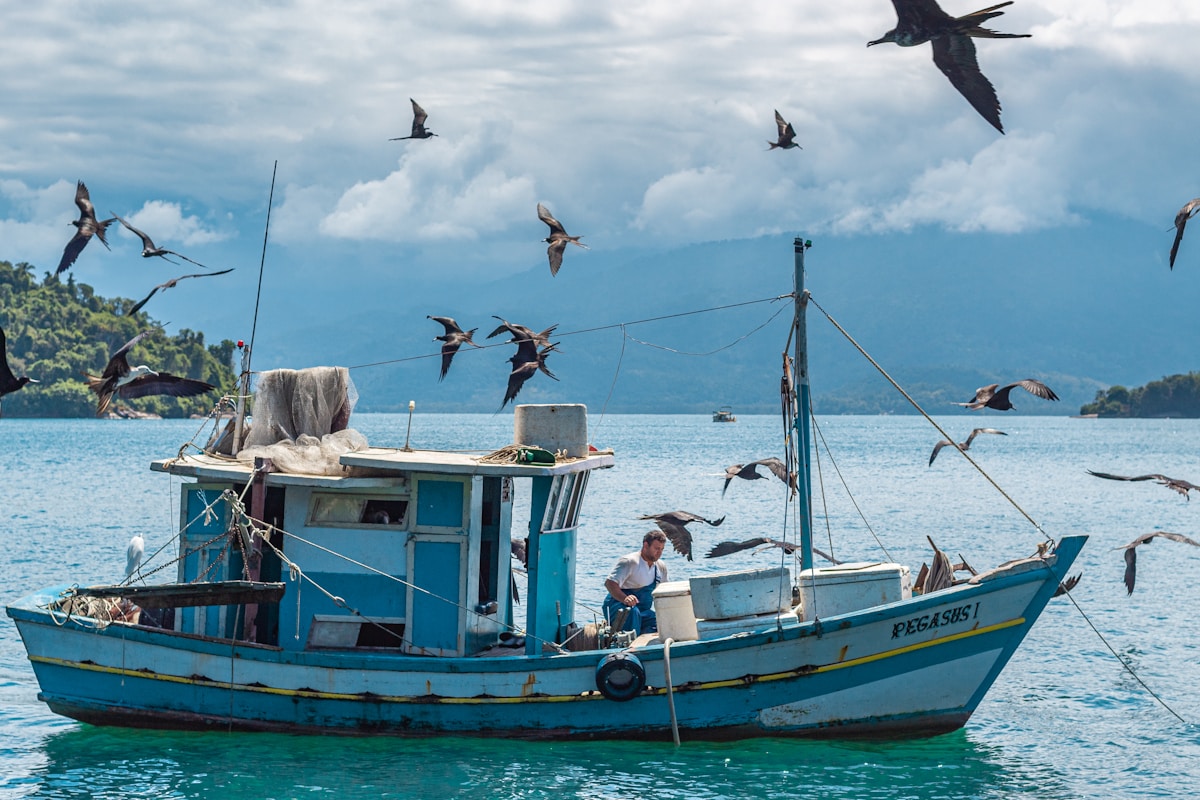
Launched at Oak Ridge ramp at 5:30 AM. Ran to a secondary point I’d found on Navionics the night before. Dropped from four feet to twelve with a chunk rock transition — classic pre-spawn staging area. I’d caught fish there the previous weekend, all three to five pounders. Had a gut feeling the bigger females were moving up.
Why the Senko Works
For the uninitiated, a Senko is a soft plastic stickbait made by Gary Yamamoto. Literally just a straight worm. No curl tail, no paddle, nothing fancy. The magic is in the salt-impregnated plastic and the subtle shimmy on the fall. Bass absolutely crush them, especially pre-spawn when fish are lethargic and want easy calories.
I was fishing a five-inch watermelon-red, wacky rigged on a size 1/0 Owner hook. No weight. No Texas rig. Hook through the middle and let it sink. This isn’t a power technique. You cast, wait, watch your line. The bite often feels like nothing — a slight tick, the line moving sideways. If you’re not paying attention, you miss it entirely.
The Take
Fourth cast to that point. Senko hit the water and started its slow descent. Watched the line fall slack as the bait sank through eight, nine, ten feet. Then the line twitched. Not big — just a subtle tick that could’ve been bottom. But I’ve been fooled before, and I’ve also missed real bites before. Reeled down, felt weight, and set the hook.
Rod doubled over immediately. I was on a medium-heavy St. Croix Legend Tournament with 15-pound fluorocarbon. Plenty of backbone for big fish. But this bass had her own ideas. She made a hard run at the boat and for one terrible second I thought she was coming up to jump. Instead she dove straight down and started headshaking with a violence I could feel in my shoulders.
The Fight and the Landing
Fight lasted maybe ninety seconds but felt like an hour. Three more runs, each weaker than the last. Got her head up. When she surfaced, my hands started shaking. This was not a five-pounder. This was a football with fins.
Lipped her with my right hand and just stared. Belly distended with eggs. Jaw could’ve fit around a softball. Sides thick as my forearm. Digital scale: 11 pounds, 2 ounces. Three quick photos, measured at 25.5 inches, and slid her back in. She sat in my hands a moment, gills pumping, then kicked hard and vanished into the green depths.
What I Learned
Probably should have led with this section, honestly. That fish taught me things I carry forward every time I pick up a rod. First — expensive tackle doesn’t catch fish. Confidence and presentation do. I had a box full of $15 swimbaits and $8 crankbaits. The Senko got the bite. Second — pre-spawn is the real trophy season. Big females are staging, feeding, and catchable if you find the right structure. Third — trust your instincts. I’d never fished that point before that week. Something about the contour map said it was right. It was.
That’s what makes personal-best stories endearing to us obsessive bass anglers — they prove that fishing isn’t about how much you spend. It’s about understanding what the fish want and being ready when the moment arrives. I’ve caught a bigger bass since then — a 12-pounder on a jig at Sam Rayburn — but that 11-pound Senko fish remains special. She proved the point that needed proving.