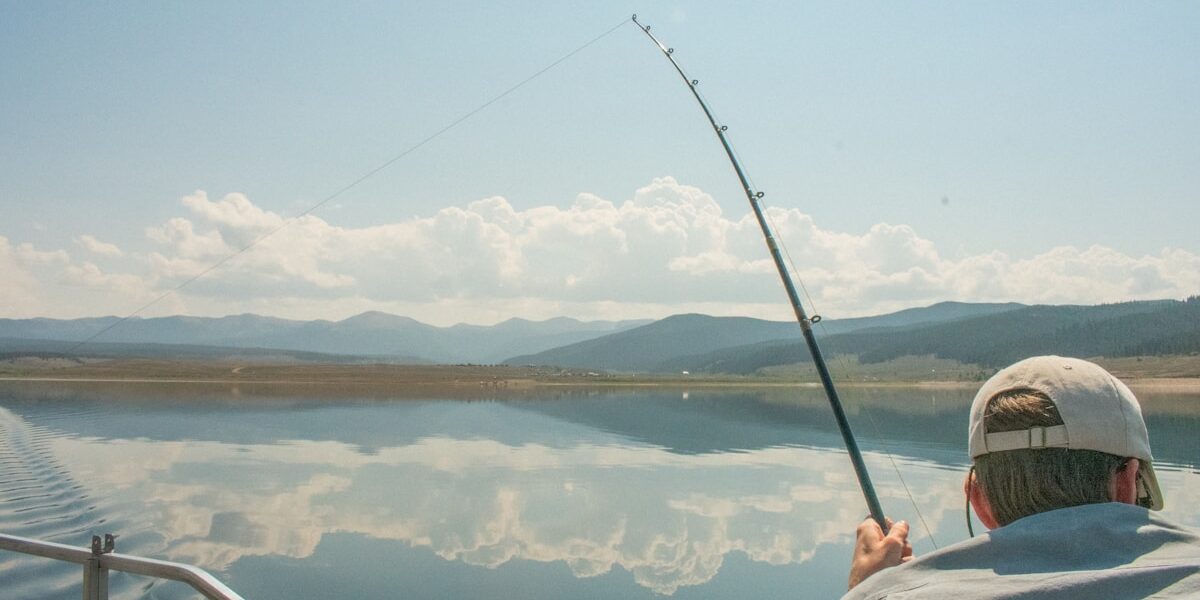
Fishing Adventures on the Open Sea
Offshore fishing has a way of recalibrating your expectations. You think you understand what fishing is until you’re 30 miles out and a fish the size of your kitchen table decides it doesn’t want to come to the surface. As someone who spent years fishing lakes and inshore before finally getting out on open water, I learned everything there is to know about preparation, sea conditions, and what actually separates a good offshore trip from a dangerous one. Today, I’ll share all of it.
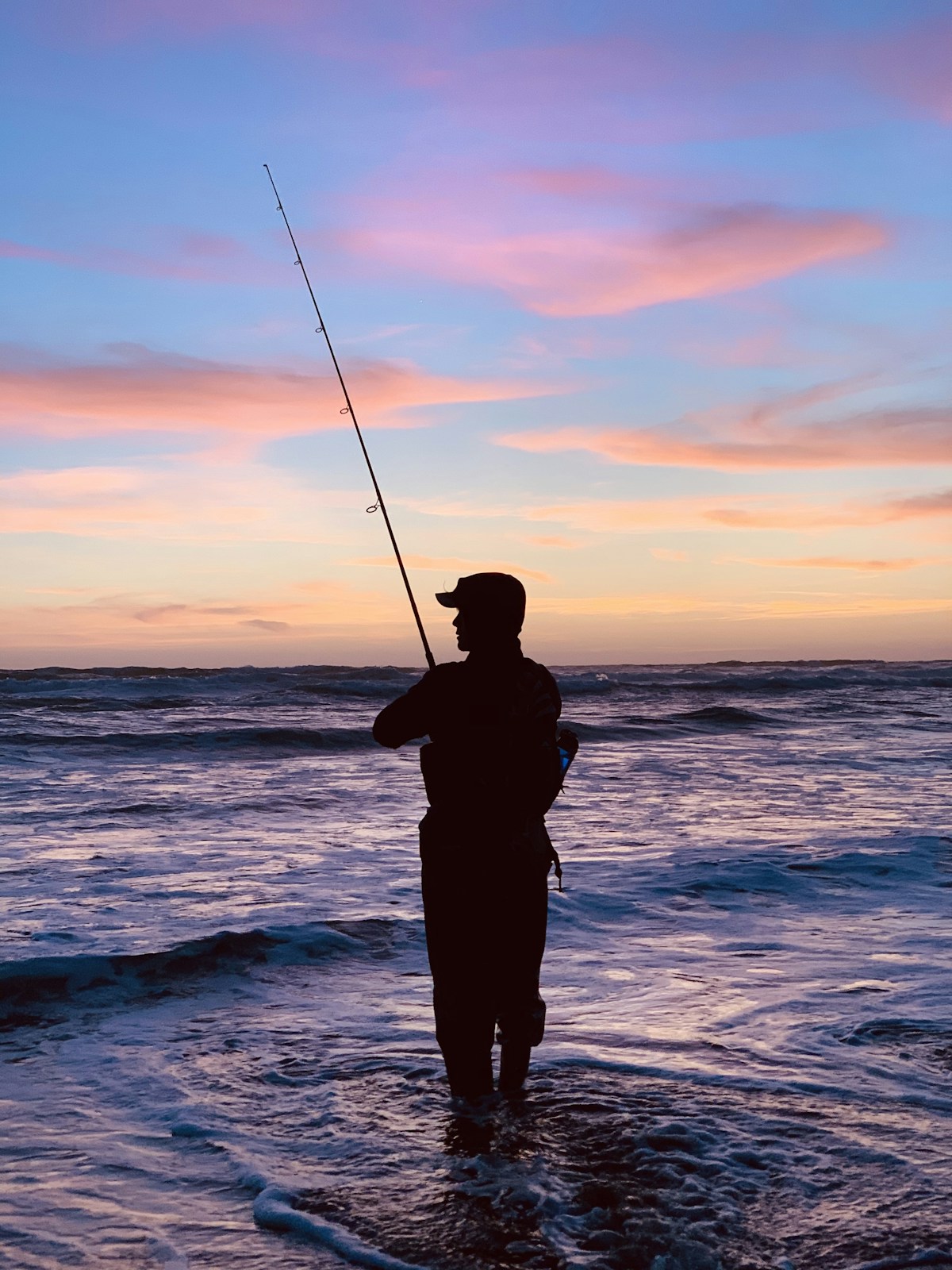
Preparation and Equipment
Frustrated by lost fish and equipment failures on early offshore trips, I eventually got serious about doing the prep work right. The boat is where that starts. A vessel built for open water needs proper navigation equipment — GPS chartplotter, VHF radio, functioning bilge pumps, and an EPIRB or PLB for emergencies. Sonar helps locate fish, but it won’t save you if you’re unprepared for what the sea can throw at you. Life jackets, a well-stocked first aid kit, and flares are non-negotiable before leaving the dock.
Saltwater is hard on gear. Heavy-duty rods and reels rated for offshore use are worth the investment — the corrosion on cheaper components happens fast and at the worst possible moment. Rinse everything with fresh water after every trip. Use quality knots. A terminal connection that holds 80% of line strength instead of 95% sounds like a small difference until it’s the knot that breaks when a marlin makes its third run.
Understanding Sea Conditions
The ocean doesn’t care about your plans. Learning to read tide charts, weather forecasts, and sea state reports before every trip is what keeps you safe. High winds and building swells can turn a 20-minute ride into a two-hour ordeal, or worse. Check the NOAA marine forecast the morning of your trip, not the night before — conditions can shift overnight.
Tides and currents influence where fish feed. Tidal movement concentrates baitfish and triggers feeding activity in offshore fish. Learning the tide patterns for your specific area — and how the local species respond to tidal phases — is the kind of localized knowledge that makes a regular angler more effective than a one-time charter passenger.
Types of Fish
The open sea holds some of the most exciting fish you can pursue on a rod and reel. Each species has its own demands:
- Marlin: Fast and powerful, known for dramatic jumps and runs that can last hours. Heavy gear, heavy line, and experienced crew make the difference between landing one and watching it disappear.
- Tuna: Speed and endurance define the yellowfin and bluefin. They run deep and don’t stop. Physical conditioning isn’t a joke when you’re fighting a 200-pound bluefin without a fighting chair.
- Swordfish: Often targeted at night using deep-dropping techniques with large bait. Known for their fighting spirit and the challenge of getting them to the surface from several hundred feet down.
- Mahi-Mahi: Colorful, acrobatic, and found in warmer offshore waters around floating debris lines and current edges. They’re aggressive, responsive to lures, and excellent table fare.
Bait and Techniques
Bait selection matters more offshore than almost anywhere else because you’re covering vast water and trying to trigger strikes from fish that can detect the difference between a well-rigged bait and a poorly rigged one. Live mackerel, sardines, and squid are proven producers for a variety of pelagic species. Fresh over frozen whenever possible.
Trolling is the go-to technique for covering water and finding actively feeding fish like tuna and mahi. Run multiple lines at different distances behind the boat with a mix of lures — skirted ballyhoo, diving plugs, and daisy chains cover different depth zones and appealing to fish at various levels. When you mark bait or see surface activity, slow down and work the area thoroughly before moving on.
Deep dropping works for bottom-dwelling species like grouper, tilefish, and amberjack. Heavy jigs or baited rigs dropped to 200-500 feet require electric reels or serious upper body strength. It’s a different kind of fishing than trolling — slower, more technical, and extremely productive when you find the right structure.
The Fight
Hooking a fish on the open sea is an experience that doesn’t translate well in words. The initial strike on a trolling spread is violent — the rod doubles over, the reel screams, and you’ve got seconds to get to it before the fish has taken all the line it wants. The fight itself tests everything: your equipment, your technique, and your endurance. Keeping steady pressure, working the rod efficiently, and using the boat’s position to gain line all matter.
The moment a big fish breaks the surface — a marlin jumping, a tuna making a final run at the boat — is something you don’t forget. Landing it is a team effort. The mate handles the leader, the angler keeps pressure, and the captain positions the boat. Everyone has a role, and when it comes together, it’s genuinely one of the more satisfying things you can do on the water.
Environmental Considerations
Offshore ecosystems are under pressure from overfishing and habitat degradation. Responsible practices protect what makes offshore fishing worth doing. Circle hooks reduce gut-hooking and improve release survival rates significantly. Respecting size and bag limits isn’t optional — it’s what keeps fish populations healthy enough to fish for in coming decades. Never discard monofilament, leader wire, or plastic in the water. Ever.
Enjoyment and Bonding
That’s what makes offshore fishing endearing to the people who keep going back — it’s not just about the fish. The combination of being far from shore, working with a crew, watching the sun come up over open water, and sharing a meal made from a fresh catch at the end of the day creates a kind of experience that’s genuinely hard to replicate anywhere else. The fishing is the focus, but the trip is the point.
Lessons and Skills
Every offshore trip teaches something. Patience when the bite is slow. Adaptability when conditions change mid-day. Coordination when a double hookup happens and both fish run in different directions. The technical knowledge accumulates with time — sea reading, species identification, knot tying, sonar interpretation — and every trip adds another layer.
Gastronomic Rewards
Fresh offshore fish is in a different category from anything you buy at a market. Yellowfin tuna bled and iced immediately is sushi-grade within hours. Mahi-mahi grilled with butter and lime the same afternoon it was caught doesn’t need much else. Preparing and eating what you caught that day, out on the water or back at the dock with your crew, is a significant part of what makes the whole thing worthwhile. One more thing: learn to fillet your own fish. The skill pays dividends every time out.

Stay in the loop
Get the latest wildlife research and conservation news delivered to your inbox.