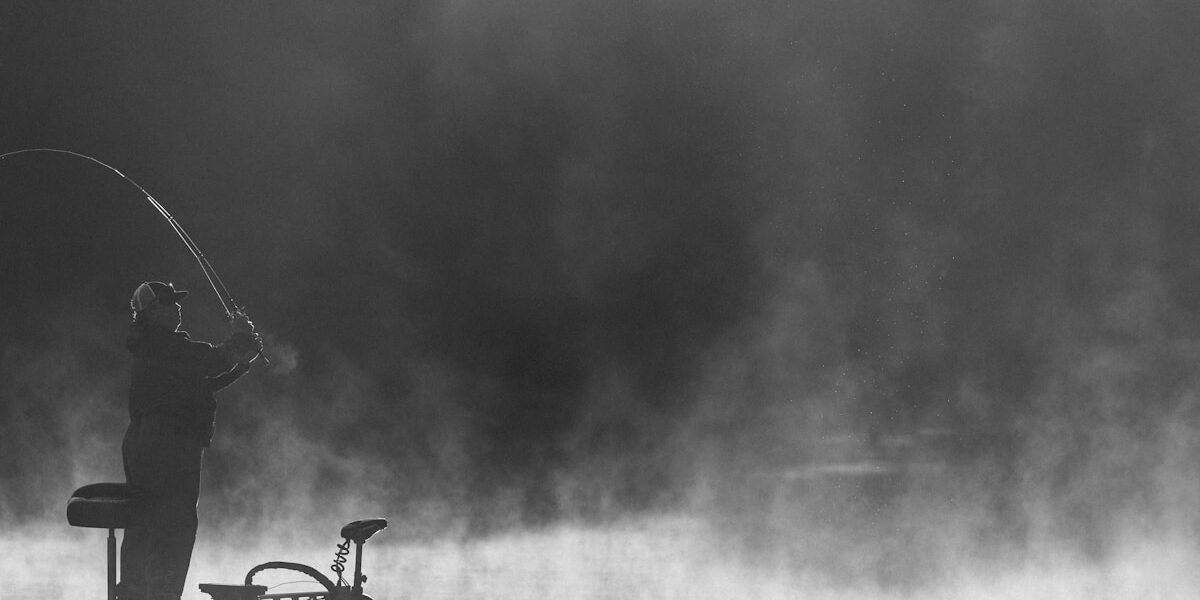
Fishing is one of those hobbies that looks simple until you’re standing at the water’s edge wondering why everyone else is catching fish and you’re not. I spent years getting outfished by people using the same rod, the same bait, and the same lake. Eventually I figured out the gaps. Here are the five things that actually made a difference.
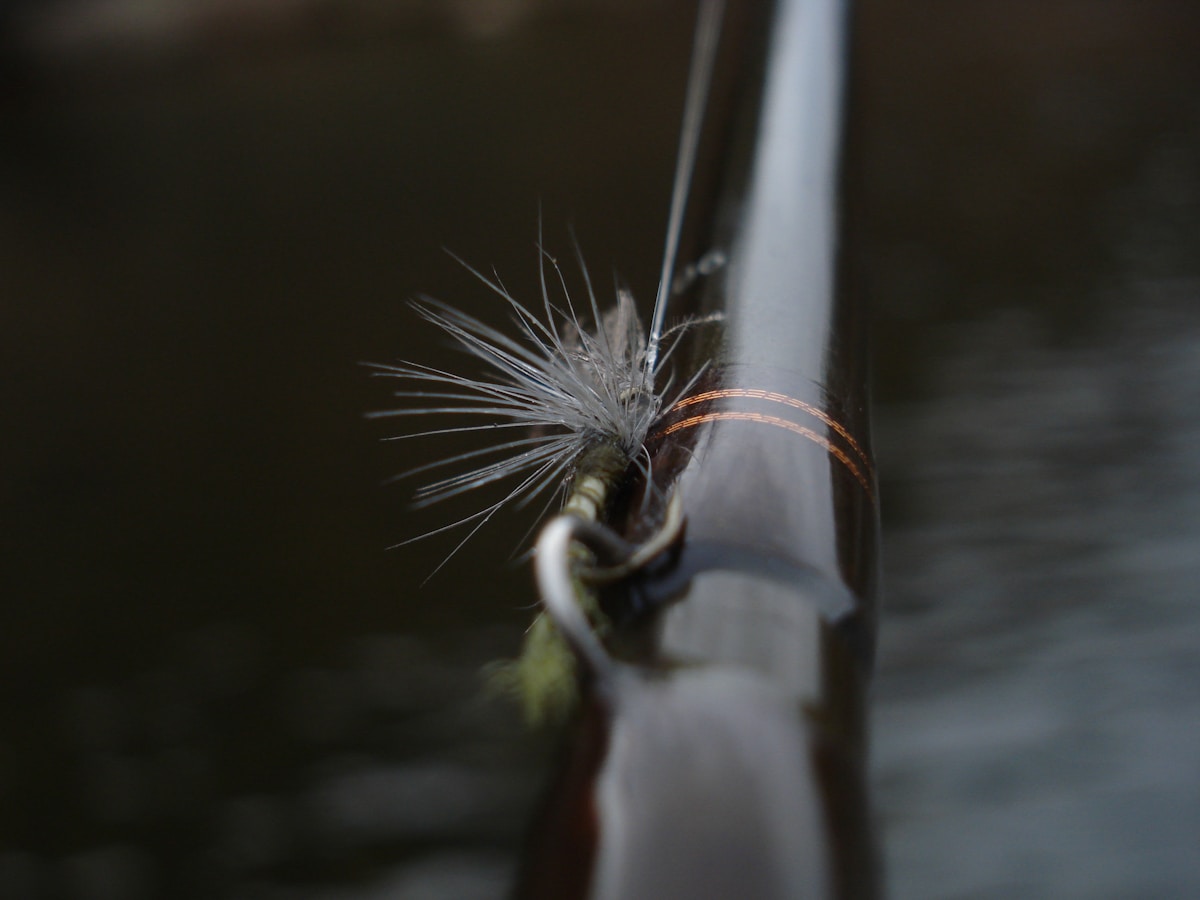
1. Know Your Spot — Before you cast your first line, do some homework. Fish aren’t randomly distributed across a lake; they’re concentrated in specific places at specific times. Near fallen logs, weed bed edges, rocky points, transition zones where the bottom drops off — these are where fish hold because that’s where their food holds. Apps like Fishbrain show you where other anglers have been catching, but even a basic topographic map of the lake bottom will teach you more in 20 minutes than a year of random casting.
2. Time It Right — Fish are most active when water temperature is in their comfort range, which usually lines up with early morning and late afternoon on warm days, and midday in spring and fall when the water is still cool. Get on the water at first light if you can. The hour after sunrise on a calm morning in May consistently outproduces three midday hours in July. I’ve proven this to myself enough times that I’ll set a 5 AM alarm without complaint.
3. Match Your Gear to the Fish — Equipment matters, but it’s about the match, not the price tag. Chasing big bass with a light 4 lb panfish setup will end in frustration. A medium-heavy rod with 12 to 17 lb test monofilament or braid handles most freshwater bass situations well. For panfish, trout, and stream work, drop to a light or ultralight setup with 4 to 8 lb test — the lighter presentation gets more bites. Probably should have led with the “match the gear to the fish” framing rather than just “buy better gear,” because the advice isn’t about spending money, it’s about fishing appropriately for what you’re after.
4. Bait Matters More Than Most Anglers Admit — Use what the fish in that specific body of water are already eating. If local shad are the dominant forage, a shad-pattern crankbait makes more sense than a random purple worm. Live bait — nightcrawlers, minnows, crayfish — is frequently more effective than artificial lures, especially for beginners, because it does the work for you. That said, artificial lures let you cover more water faster, which matters when you’re trying to locate fish rather than catch fish you’ve already found. Use both. Alternate. See what the fish tell you.
5. Patience Isn’t Passive — Experienced anglers look like they’re just sitting there, but they’re reading the water constantly. They’re watching for surface activity, tracking where the wind is pushing baitfish, noticing which areas have shade. When nothing is happening, they’re not simply waiting — they’re deciding whether to stay or move. Learning when to be patient and when to pick up and try a different spot is a skill that takes time, but it’s probably the single biggest separator between beginner and intermediate anglers.
Fishing is genuinely fun, and the more you understand about why fish are where they are and when, the more of that fun you’ll experience. Take these five things out on the water with you. The fish stories will follow.

Stay in the loop
Get the latest fishing tales journal updates delivered to your inbox.