Fishing has gotten a lot of philosophical treatment over the years — Izaak Walton wrote an entire book about why it’s basically a spiritual practice, and he wasn’t wrong. The answer keeps expanding.
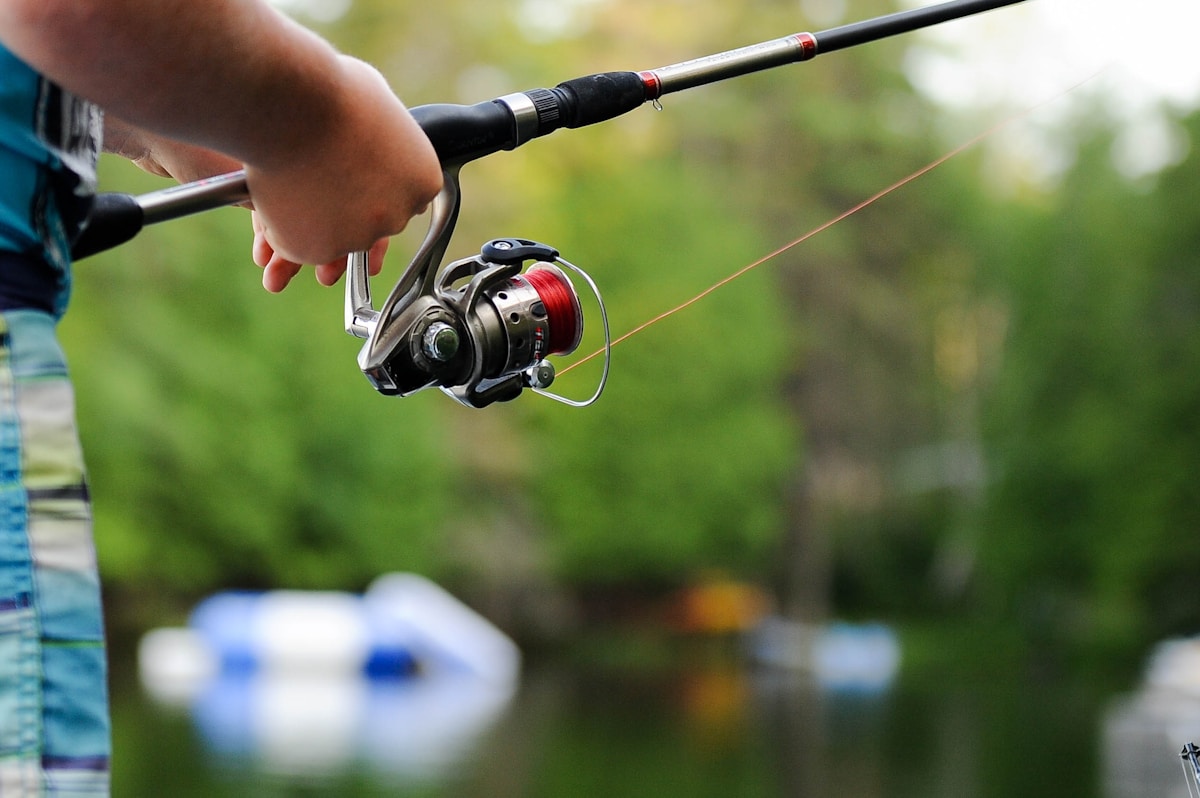
Fishing is a genuine equalizer. A kid with a $30 rod from a discount store and a container of nightcrawlers is fishing. A tournament pro with $50,000 in gear is also fishing. Both of them are participating in the same fundamental activity, subject to the same conditions, and equally capable of a blank day or a memorable catch. You don’t need to spend significant money to access the joys of it, which is unusual for any outdoor sport in 2026.
The connection with nature that fishing provides is harder to replicate through other means. In our screen-saturated lives, fishing offers a rare excuse to sit beside water and pay attention to it — the way light moves across the surface, the sounds of the surrounding habitat, a heron working the shallows 50 yards away. These experiences do something for the nervous system that’s difficult to describe but easy to recognize. You arrive tense and leave calm. Reliably.
Fishing is also genuinely challenging in ways that reveal themselves slowly. Every trip involves a different set of variables: water temperature, clarity, barometric pressure, forage availability, time of day, season. Mastering the techniques that account for these variables takes years, and even experienced anglers get humbled regularly. That’s what makes the catch meaningful. The joy of landing a fish after a tough morning isn’t just about the fish — it’s about solving a problem that refused to cooperate.
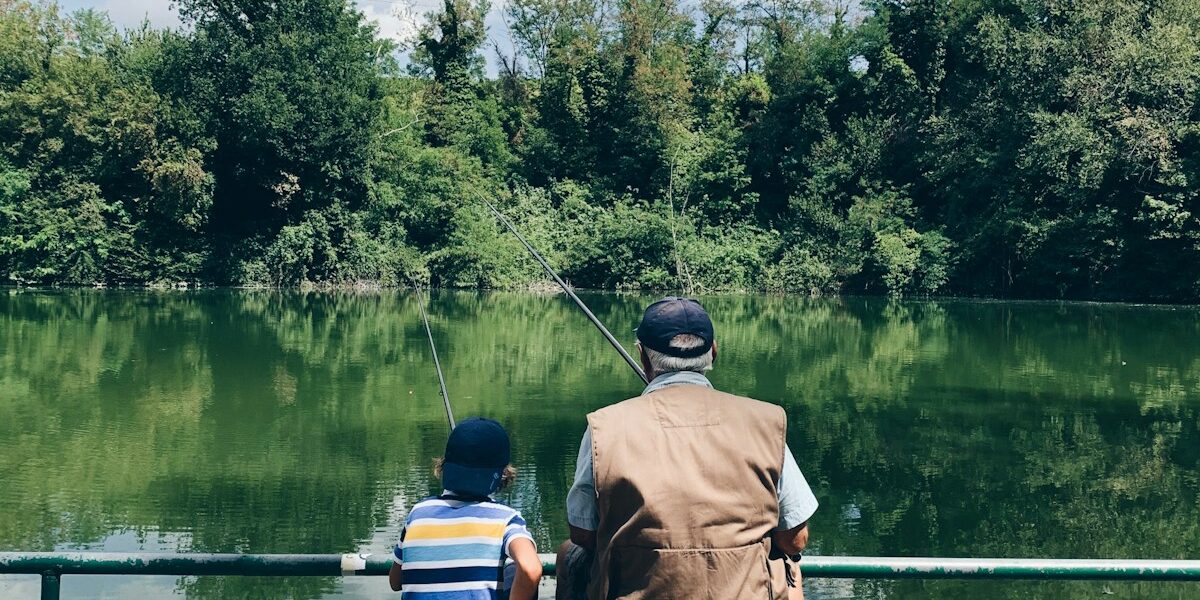
The social dimension of fishing is something people outside the sport often don’t appreciate. I’m apparently someone who needs a reason to sit quietly with another person for two hours without staring at a phone, and fishing is the only reliable way I’ve found to do that. Teaching a kid to bait a hook, or fishing alongside an old friend who’s been living two time zones away — those shared moments don’t need much in the way of conversation to be meaningful. The water does the work.
The unpredictability keeps me coming back. Every cast is genuinely unknown. You might catch a small bluegill or you might hook something that strips off line faster than seems possible. That anticipation — the spring-loaded attention that comes with watching a float or feeling for vibration in the line — is a form of focused presence that most other activities don’t require. It keeps you in the moment in a way that’s almost impossible to manufacture intentionally.
There’s a continuous education to fishing that rewards curiosity. It touches ecology, biology, meteorology, and physics. Understanding what trout eat and why, how barometric pressure changes feeding behavior, why certain structures hold fish in summer but not fall — this knowledge accumulates over years and makes you a better angler incrementally. It also builds a genuine investment in healthy aquatic ecosystems, because you can’t fish a degraded watershed and not notice what’s missing.
And at the most basic level, fishing is meditative. The repetitive action of casting, the patient waiting, the focused watching — these have a therapeutic quality that shows up in the data when researchers bother to measure it. Cortisol drops. Blood pressure settles. The internal monologue quiets down. Whether you’re fishing a suburban pond for bluegill or a remote river for wild steelhead, the mechanism is the same. You’re paying attention to something other than yourself for a while, and it turns out that’s deeply restorative.
That’s what makes fishing enduring. It blends challenge with stillness, community with solitude, skill-building with genuine relaxation — all at the same time, and accessible to anyone willing to buy a license and find water. That combination is rarer than it looks, and once you feel it, you understand why anglers come back across decades and generations.

Leave a Reply