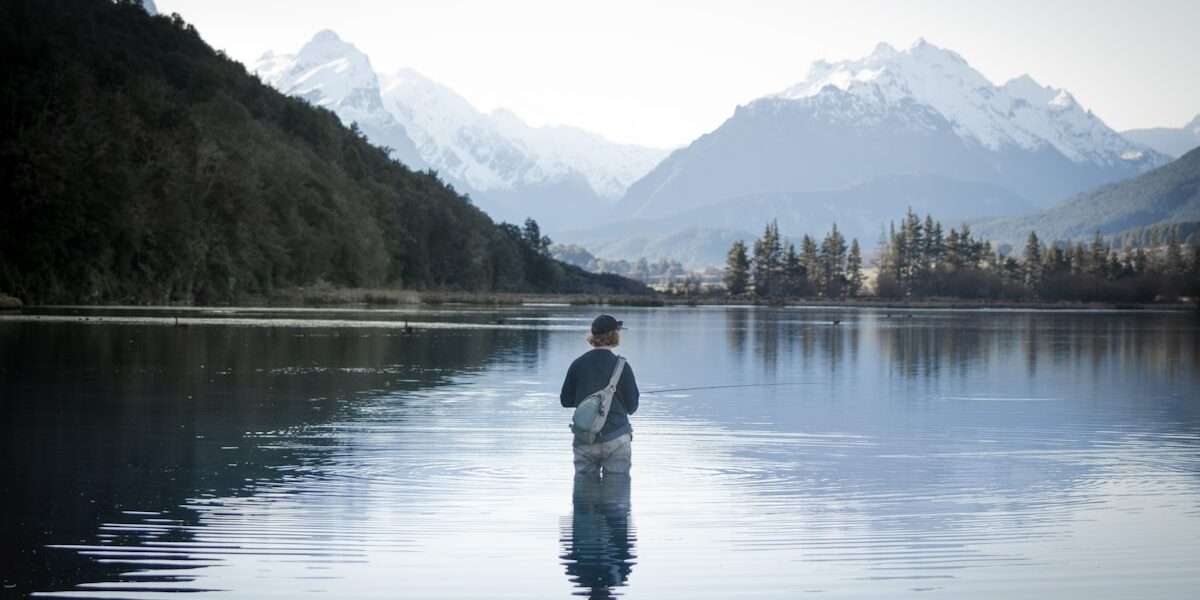
The US has more quality fishing than most anglers ever get to, spread across a geography that goes from tundra rivers in Alaska to subtropical flats in Florida to tailwater trout streams in the Rockies. I’ve fished a fair amount of it and driven past more of it than I’d like to admit without stopping. The spots that follow are worth the planning — not just because of the fish, but because the combination of setting and fishing quality makes them worth treating as actual destinations.
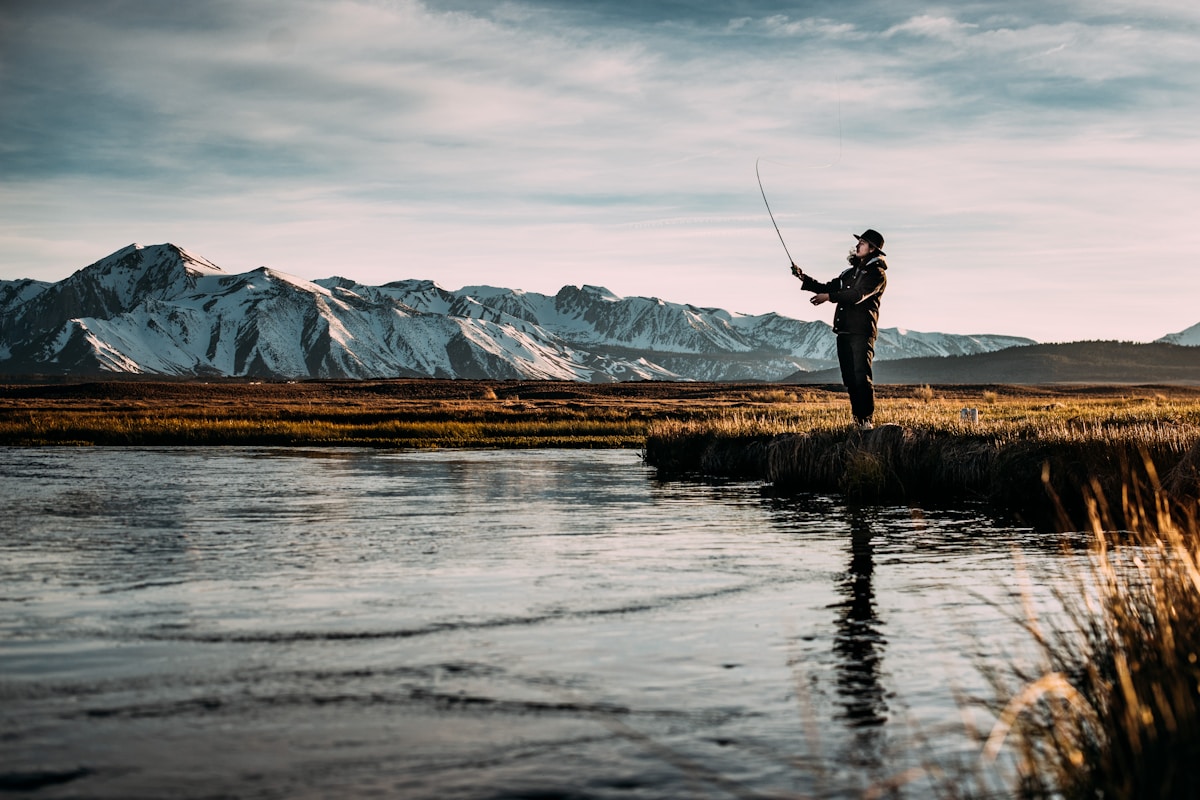
Key West, Florida
Key West might be the most target-rich saltwater fishing environment in North America. The shallow flats hold tarpon, bonefish, permit, and redfish in the same half-mile radius that, a few miles offshore, transitions into blue water with sailfish, mahi-mahi, and tuna. The variety of species and techniques available in a single day is genuinely unusual — you can sight-cast to a tailing bonefish in the morning and catch a blackfin tuna in the afternoon without changing locations dramatically. Charter guides are widely available and worth hiring if you’re new to flats fishing; local knowledge on flat access and tide timing makes an enormous difference.
Lake Fork, Texas
Lake Fork holds more bass over 13 pounds than virtually any other lake in the country. That’s not marketing — it’s in the record books. The 27,000-acre reservoir 65 miles east of Dallas has a combination of fertile water chemistry, submerged timber, and extensive grass lines that produces outsized fish year after year. Spring is the prime season when big females move shallow before spawning. The lake isn’t scenic in the mountain-lake sense, but if you’re a bass angler and the fish are your priority, this is the destination that earns its reputation consistently.
Kenai River, Alaska
The Kenai is the premier king salmon river in the world, and it’s accessible — not a remote fly-in destination, but a river you can drive to from Anchorage. The world record chinook salmon (97 pounds) came from the Kenai, which gives you a sense of what the fishery is capable of. Distinct runs of king, silver (coho), and sockeye salmon fill the calendar from May through September, so timing your trip to match the run you want is worth researching carefully. The scenery — glaciers visible from the bank in sections, bald eagles working the water — is part of what makes this one of the trips worth saving up for.
Lake Michigan
Lake Michigan is underrated as a fishing destination partly because it’s so large that people don’t know where to start. Charter boats operating out of Ludington, Frankfort, and Manistee in Michigan consistently produce lake trout, steelhead, and chinook salmon — the Great Lakes chinook fishery is one of the legitimate sleeper destinations in the country for anglers who don’t realize what’s in there. Shore access from the Indiana Dunes and Wisconsin’s Door Peninsula gives bank anglers options for yellow perch and smallmouth bass. The scale of the lake means you need a charter or a capable seaworthy boat for offshore work; it’s not forgiving in wind.
Bighorn River, Montana
The Bighorn tailwater below Yellowtail Dam is a blue-ribbon trout fishery with 5,000-plus fish per mile documented in population surveys — numbers that are hard to imagine until you’re wading it. Brown and rainbow trout in the 18-22 inch range are common; fish over 24 inches are caught regularly. The tailwater stays cold and clear year-round, which means it fishes well even in July when most western trout streams are too warm to fish ethically. Prolific hatches from March through October give fly fishermen consistent dry fly opportunities. Booking a guided float in advance is worth it — access points are limited and guides know which sections are producing on a given day.
Chesapeake Bay
The Chesapeake is the largest estuary in the United States and one of the best striped bass fisheries on the East Coast. The spring trophy rockfish season (April-May) targets fish in the 30-50 pound class that have overwintered in the bay. Fall migration pushes stripers through the bay from September through November as fish move toward their winter grounds. Beyond rockfish, the bay holds bluefish, croaker, weakfish (sea trout), and flounder in a complex ecosystem of channels, grass beds, and structure. The bay is large enough that where you fish matters enormously — a charter or local guide for your first trip is money well spent.
Green River, Utah
The Green River below Flaming Gorge Dam in northeastern Utah is a world-class tailwater trout fishery in a canyon setting that makes it worth driving to just for the landscape. The upper three sections — designated A, B, and C — have different character and different fishing; Section A has the most access and produces the most fish, while Section C is remote enough that floating it is the practical option. Brown trout up to 28 inches are common in Section A in a river that never gets too warm because the dam releases cold water from deep in the reservoir. Prolific midge and baetis hatches produce dry fly fishing from late fall through early spring that’s unusually consistent for the time of year.
The Everglades, Florida
The Everglades is a different kind of fishing destination — the fish are there, but the experience is defined by the environment as much as the catch. Poling a skiff through the mangrove tunnels of Florida Bay looking for tailing redfish or a laid-up tarpon in clear shallow water is unlike any other fishing experience in the country. Snook hold around mangrove roots and respond aggressively to well-placed casts. The catch-and-release ethic is strong among guides who fish this water, and the regulations are strict for good reason — this is a managed ecosystem with more at stake than any single fishing trip.
Outer Banks, North Carolina
The Outer Banks runs 200 miles of barrier islands off the North Carolina coast and offers surf, inshore, and offshore fishing from the same general area. Red drum (channel bass) in the 40-50 pound class are caught in the surf along Cape Hatteras in fall — one of the few places in the US where large fish are consistently accessible from the beach. Offshore canyons reachable from Oregon Inlet produce bluefin tuna, yellowfin, and blue marlin. The combination of serious surf fishing and offshore options makes it worth a week’s trip rather than just a day.
Henry’s Fork, Idaho
Henry’s Fork of the Snake River is legendary among American fly fishermen, and the reputation is earned. The Railroad Ranch section — a slow, spring-fed meadow stretch — holds large rainbow trout that are selective to a degree that humbles experienced anglers. Fish rising to tiny mayflies and refusing every imitation you throw is the experience many anglers come here for specifically. The Box Canyon section upstream offers fast water, larger fish, and more forgiving dry fly fishing. The river fishes well from June through October; the Railroad Ranch section is catch-and-release only for most of its length. Worth checking current regulations before you go — the rules have changed over the years and are specifically designed to protect the fishery.
That’s the thing about destination fishing in the US — there’s enough genuine quality spread across the country that the limiting factor is time and planning, not the absence of places worth going. Each of these spots rewards the preparation you put into it before you go. Call a local shop. Read the current reports. Check access rules. The fish are there.


Stay in the loop
Get the latest fishing tales journal updates delivered to your inbox.