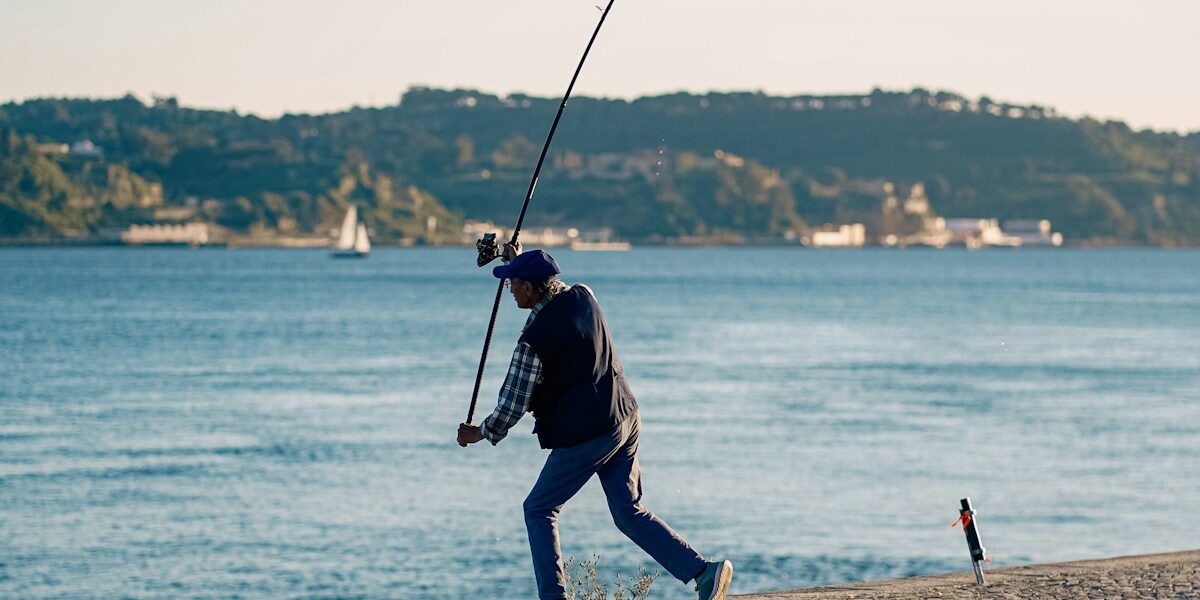
Gear maintenance is one of those things nobody wants to talk about until something breaks at the worst possible moment. I’ve snapped rods, blown reels, and lost fish I really wanted to land — and a lot of it was completely preventable.
Rods and Reels
The single best habit you can build is rinsing your rods and reels with fresh water every time you get home from a trip. This is non-negotiable if you fish saltwater — salt is relentless and will corrode metal components faster than you’d expect. Use a gentle stream, not a blast from a hose. You don’t want to drive salt particles deeper into tight spaces around the reel seat or guides.
Once it’s rinsed, dry everything thoroughly with a clean cloth. Pay attention to the rod guides specifically — run your fingernail or a cotton swab around the inside of each one. A nick or crack in a guide will fray your line and you won’t notice until you lose a fish. Replace any damaged guides before your next trip, not after.
For the reel itself: pull the spool, wipe down the line with a damp cloth, and clean the reel body with a soft brush to get into the crevices. A few drops of quality reel oil on the moving parts goes a long way. I use Penn Precision Reel Oil — nothing exotic, just something that won’t break down in humidity. Do this after a few heavy-use days and your reel will outlast three of the cheap ones.
Fishing Line
Run your line through your fingers before every trip. You’re feeling for rough spots, nicks, or stiff sections — any of those can become a break point when a fish runs hard. If you find damage in the first 20 feet or so, cut it off and retie. If the whole spool feels rough or has memory coils that won’t straighten, it’s time to respool.
Worth mentioning: UV light destroys monofilament and fluorocarbon faster than most people realize. If your line lives in a tackle bag in a sunny truck bed all summer, you’re fishing degraded line and you don’t even know it. Store spare spools somewhere cool and dark. A drawer in the garage beats a cup holder every time.
Hooks and Lures
Rinse everything — hooks, lures, all of it — with fresh water after every use. Let them dry completely before closing the tackle box. A closed box with wet hooks inside is how you end up with rusty trebles welded to the plastic body of your favorite crankbait.
Sharp hooks catch fish. Dull hooks don’t. It sounds simple but I’ve watched people fish all day with hooks that couldn’t penetrate a paper bag. Take thirty seconds with a Luhr-Jensen hook file and drag the point across your thumbnail — if it slides, it needs sharpening. If it bites, you’re ready. Do this especially after fishing around rocks or gravel, which kills a hook point fast.
Check your lures for chipped paint and bent hooks. A crankbait with a bent hook won’t run true, and a lure that swims wrong doesn’t catch fish. Pliers and five minutes fixes most bent hooks. Badly damaged lures get retired.
Tackle Box
Use dividers, small utility boxes, and labeled compartments so hooks stay separated and frequently used gear remains easy to reach. If you are choosing a new container, compare water protection, corrosion control, tray dimensions, and carrying style in our tackle storage systems guide.
Every few months, pull everything out of the tackle box and wipe it down. Look for moisture damage. Anything that’s been sitting wet and forgotten will have rust or mold on it. This is also a good time to audit what you actually use versus what’s just taking up space.
Nets and Other Accessories
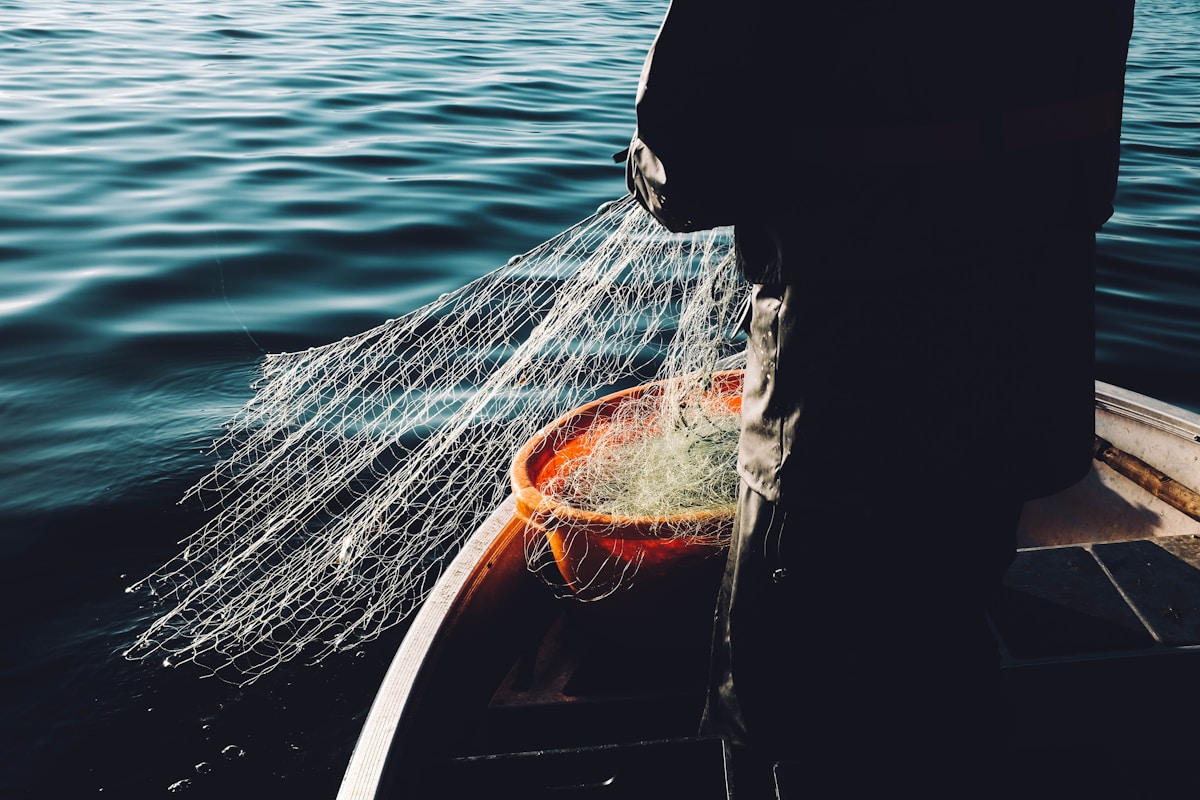
Landing nets are easy to neglect because they seem indestructible. They’re not. Rinse the net bag with fresh water every time, especially after handling fish — the slime and oils break down the mesh material over time. Hang the net to dry fully before storing it. A wet net stuffed in a bag will smell terrible and rot faster than it should.
Check the hoop, handle, and mesh for damage regularly. A torn net at the wrong moment is an easy way to lose a big fish. Repair kits are cheap and available at any tackle shop.
Electronics
Fish finders and depth sounders are expensive enough that they deserve actual care. Wipe the screen and housing with a soft, barely-damp cloth. Skip the household cleaners — they’ll strip protective coatings and fog the screen. Check the transducer cable and all connections for corrosion; a tiny bit of dielectric grease on the connector pins prevents a lot of problems.
Store electronics out of direct sun and away from temperature extremes when you’re not using them. Heat and UV are hard on the screens and circuit boards. A padded case when transporting is worth it.
Clothing and Footwear
Fishing clothing takes a beating. Rinse waders and wading boots after every use — mud and algae carry invasive species between waterways, so this matters beyond just gear longevity. Follow the manufacturer’s wash instructions for technical fabrics; high heat ruins waterproofing membranes fast.
Check waders for pinhole leaks by turning them inside out and holding them up to strong light. A patch kit handles most leaks for a few dollars. Inspect wading boot soles for wear — worn felt or worn rubber loses traction in ways that become dangerous on slippery rocks.
Storage
A cool, dry, dark space is what you’re after. A climate-controlled garage corner beats a hot shed or a damp basement. For rods specifically, use a rod rack — leaning rods against a wall or in the corner of a closet causes warps and tip damage over time. Keep reels off hard surfaces that can scratch or dent the body.
- Keep tackle boxes latched and organized so nothing shifts or tangles in transport.
- Hang nets and waders to allow airflow — don’t fold them and stuff them in a bag.
- Store electronics in padded cases, away from anything heavy that could fall on them.
None of this takes much time. Twenty minutes after a trip, five minutes before the next one — that’s mostly what we’re talking about. Do it consistently and your gear will last years longer, perform better, and actually be ready when you need it.



Stay in the loop
Get the latest fishing tales journal updates delivered to your inbox.