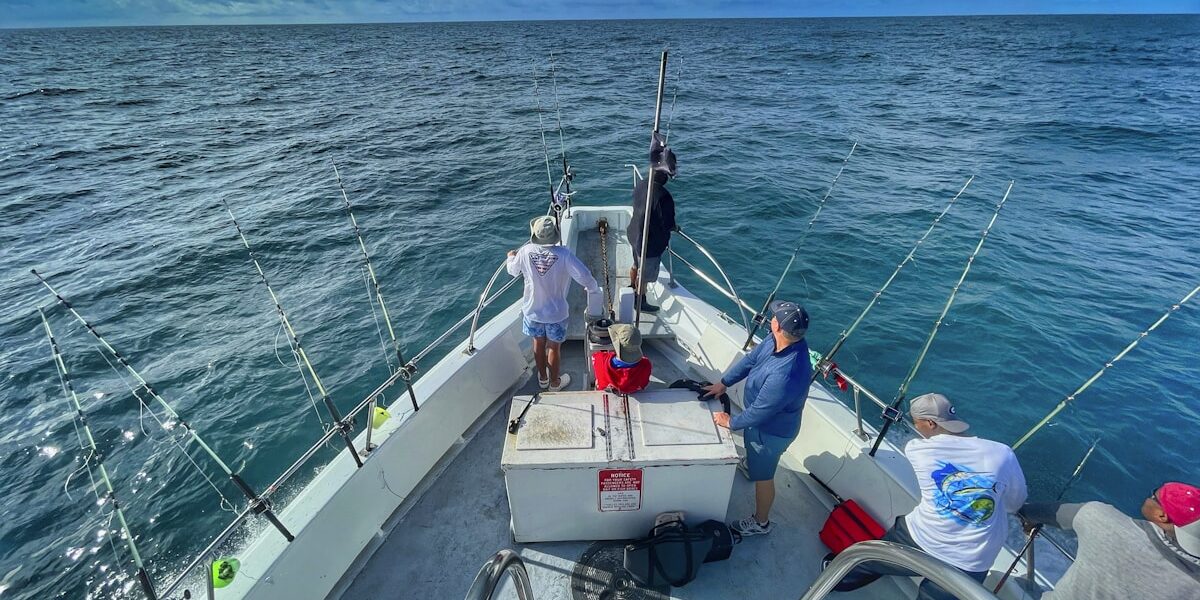
Shallow water fishing is a humbling experience until you figure out what you’re doing wrong — and what you’re usually doing wrong is making too much noise and getting too close. Fish that live in water under 4 feet don’t have much margin between safety and exposure. They’re alert, they spook fast, and every heavy footstep, dropped tackle box, or clumsy cast educates them. Here’s what I’ve learned about actually catching fish in shallow environments instead of just watching them scatter.
How Shallow-Water Fish Think
Fish in shallow water are operating in a higher-risk environment than fish in deep water. They can’t quickly retreat down to safety if threatened — the bottom is right there. That makes them significantly more alert and spook-prone than their deep-water counterparts. A shadow passing over them, a vibration in the substrate, even the plop of a heavy lure landing close — all of it registers and all of it can clear a flat in seconds.
The compensating factor is that structure is usually abundant in shallow areas. Weeds, fallen timber, rocks, dock pilings — fish use all of it for cover and as ambush points. If you can identify the best pieces of structure on a flat or in a back bay, you know where the fish are. The challenge is getting a presentation in front of them without announcing your presence.
Gear for Shallow Water
Light is the operative word. Heavy line is visible in clear shallow water — fluorocarbon is less visible than mono, but even fluorocarbon in 15 lb is going to get noticed by a wary bass on a sunny day in 2 feet of gin-clear water. I fish 8-10 lb fluorocarbon as a standard shallow-water setup and go down to 6 lb when conditions demand it.
Sensitive rod, lighter action, finesse-oriented setup. A medium-light spinning rod in the 6’10” to 7’2″ range gives you the casting accuracy for precise placements and the sensitivity to detect light bites. Small finesse lures — soft plastics on light jigheads, small crankbaits, wacky-rigged worms — work better than heavy presentations that hit the water loudly.
Topwater lures are worth specific mention here. Early morning on a shallow flat, especially over grass, a walking bait or hollow frog worked slowly produces some of the most explosive strikes you’ll ever experience. The low-light conditions and the overhead cover of vegetation give fish confidence to come up for a surface bait that they’d ignore in bright midday conditions.
The Approach Matters More Than the Lure
This is the thing that separates anglers who consistently catch fish in skinny water from those who don’t. You have to get into position without alerting the fish, and then you have to cast accurately without spooking them. Both require intention.
From a boat, turn the trolling motor to its lowest setting — or better, cut it and use a push pole or paddle to close the last 20-30 feet. Drop the anchor quietly, don’t bounce it off the hull. If the wind is working for you, drift in rather than motoring in. Position yourself well outside casting distance and make long casts in rather than getting close and making short ones. The goal is to have no physical presence within the fish’s comfort zone.
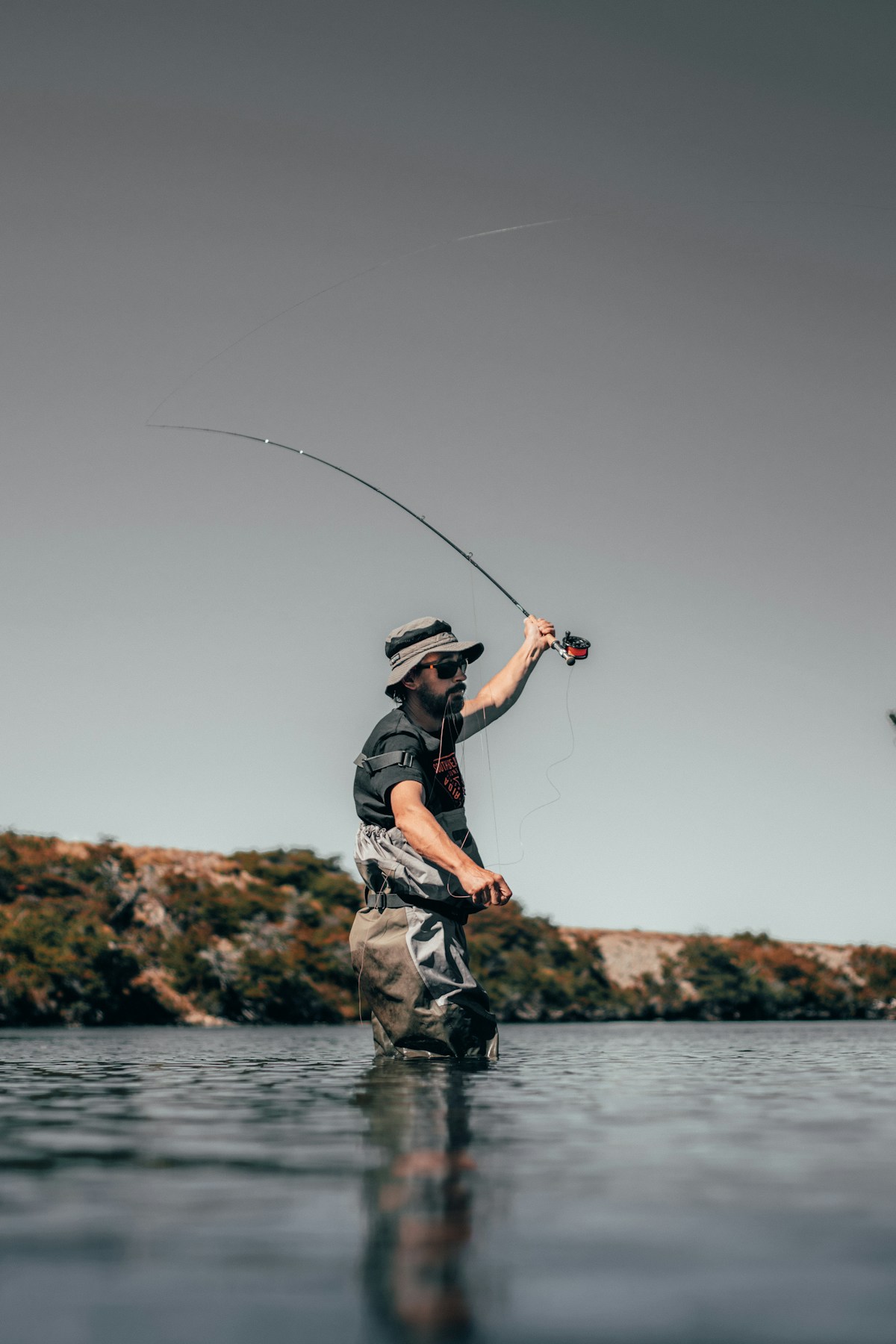
Wading is often more effective than a boat in skinny water because you’re lower to the water and moving more slowly. Wade in neoprene waders or water shoes depending on temperature, and move in slow motion. One slow deliberate step, pause, evaluate, another step. Moving fast through shallow water creates a pressure wave that fish can feel from a surprising distance.
Casting Technique
The goal is a quiet, accurate entry. A sidearm cast travels lower and lands with less impact than an overhead cast. Feather the line on the way down by touching the spool lightly — slowing the lure in the final feet so it enters the water at lower speed rather than slamming in. Cast to the edges of cover and work your way toward the center rather than landing in the middle and potentially spooking fish off the entire spot.
In clear, calm water, cast past the fish and bring the lure to them rather than landing it on top of them. A lure that appears in their field of vision naturally, as if swimming by, reads very differently to a fish than something that drops out of the sky into the water two feet away.
Best Times and Conditions
The two-hour windows around dawn and dusk are consistently the most productive. Low light reduces fish wariness and coincides with feeding behavior. An overcast sky extends that window throughout the day — cloud cover is legitimately your friend in shallow water.
Light rain can trigger feeding activity in the shallows; the rain disturbs the surface enough to mask your presence and stirs up food. A mild wind that creates a ripple breaks up the surface so fish can’t see you above the waterline as clearly. Bluebird sunny days with no wind and glassy water are the hardest conditions — not impossible, but requiring maximum stealth and maximum patience.
Reading the Water
Polarized sunglasses are probably the most valuable piece of equipment for shallow water fishing. They cut the surface glare and let you see into the water — structure, vegetation, and often the fish themselves. Once you start seeing fish before you cast to them, everything changes about how you approach a flat.
Look for bait activity. Small fish dimpling the surface, herons working a shallow edge, diving birds — all of it indicates where predatory fish are likely to be. Watch for the nervous water pattern of a school of baitfish just below the surface. Big fish push bait and the resulting disturbance is visible if you’re paying attention.
Handling and Release
Wet your hands before touching any fish you’re releasing. Use long-nose pliers rather than fingers for hook removal — it’s faster and keeps the fish in the water longer. If a hook is swallowed deeply, cut the line close to the hook rather than digging for it. The fish has a better chance of shedding the hook naturally than surviving the internal injury from forced removal. Hold the fish horizontal in the water, support it until it recovers and swims off under its own power.
Safety
Slippery rocks and wading in moving water are the main hazards. Felt-soled or rubber-soled wading boots with ankle support make a real difference on algae-covered rocks. Move deliberately and probe ahead with a wading staff in unfamiliar water. Wear sunscreen and polarized glasses — UV exposure reflected off water is more intense than most people realize. Check the weather before you go; getting caught on an exposed flat in a lightning storm is genuinely dangerous.

Stay in the loop
Get the latest fishing tales journal updates delivered to your inbox.