What a Fishing Guide Can Teach You
Hiring a fishing guide has gotten a reputation as something only inexperienced anglers do, which is completely backwards. Today I’ll explain what guides actually bring to the experience and why that value is real regardless of your skill level.
Providing Local Knowledge
Local knowledge is the primary thing a guide brings, and it’s the hardest thing to acquire on your own. A guide who has fished the same water for years knows where fish hold in each season, how water level changes affect fish location, which techniques produce on overcast days versus sunny ones, and where the productive spots that aren’t obvious to visiting anglers actually are. Building this knowledge yourself takes years and dozens of trips. Hiring someone who already has it collapses that timeline to a single day.
Offering Specialized Skills and Techniques
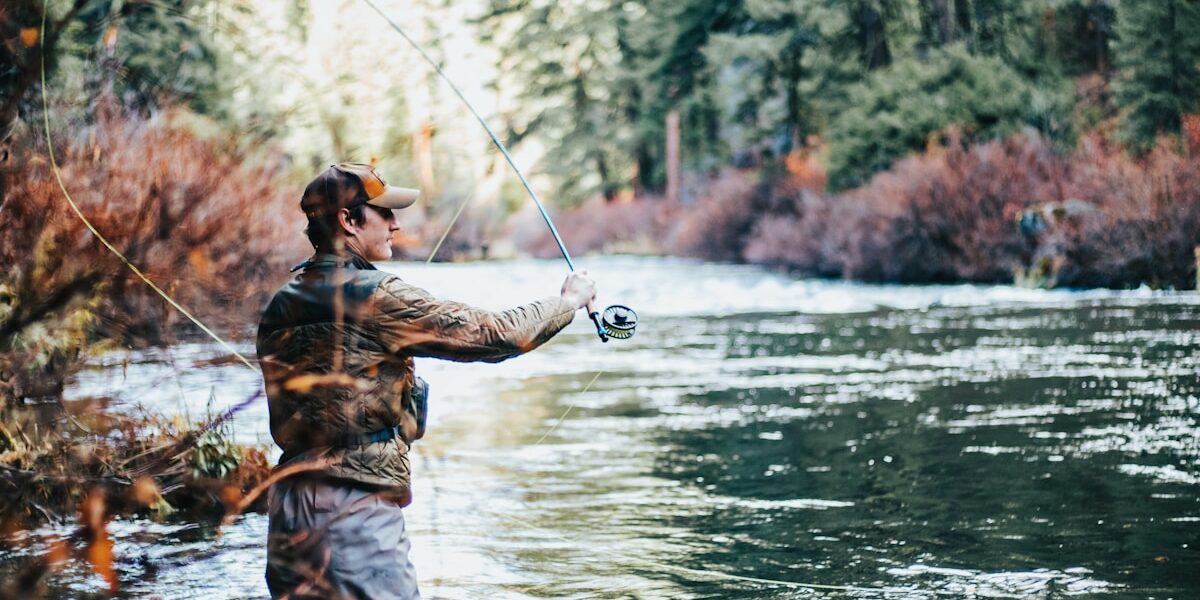
Good guides are skilled across multiple fishing techniques and can teach in real time with the actual fish and conditions in front of you. This is dramatically more efficient than learning from videos or books. Whether it’s fly casting, jigging technique, reading currents, or the mechanics of a specific presentation, having an expert correct your form and explain why something works in the moment you’re doing it accelerates skill development in ways that are hard to replicate any other way.
Equipment and Gear
Most guides provide quality rods, reels, tackle, and sometimes boats as part of the trip. This matters practically in two ways. For anglers who don’t yet own specialized gear — a fly rod for a specific weight class, a downrigger setup for trolling, ice fishing equipment — booking a guided trip lets you experience the technique before investing in gear yourself. And the equipment guides own tends to be well-maintained and appropriate to the specific application in a way that a generalist tackle collection often isn’t.
Ensuring Safety
Guides are trained in water safety and know the hazards of their specific water — hidden rocks in a river, tidal patterns in a coastal bay, weather systems that develop predictably in the local mountains. They carry appropriate safety equipment and know what to do when things go wrong. On unfamiliar water, particularly remote or technical water, having someone with genuine local knowledge of the hazards matters. That’s not overstating it.
Enhancing the Experience
A good guide provides an education that extends beyond technique. They know the ecosystem — what the insects in this river are, why the fish are in certain locations at certain times, what the baitfish population looks like this year compared to last, what conservation pressures this fishery faces. That context makes the experience richer and more meaningful than just catching fish. I’ve come away from guided trips with a fundamentally different understanding of the water I was fishing.
Saving Time
For people with limited vacation time who want to actually fish rather than spend half the trip figuring out the water, a guide is a straightforward investment in efficiency. Instead of burning two days on reconnaissance and unsuccessful experiments, you’re fishing productively from the first hour. This is particularly relevant in premium destinations — Alaska, Patagonia, New Zealand — where the cost of getting there makes the marginal cost of a guide a reasonable proportion of the total trip.
Networking and Community
Guides are often central figures in local fishing communities. They know other guides, know which lodges are worth booking, know the local tournaments and fishing clubs, and can introduce you to resources that aren’t visible to visitors. That network connection has led to some of my better fishing experiences — knowing who to call for updated conditions, who runs the best trips on a particular river, what’s actually happening with a fishery this season rather than what’s on the website.
Targeting Specific Species
When you’re after a specific species in a specific place for the first time — taimen in Mongolia, peacock bass in the Amazon, permit in the Florida Keys — a guide who specializes in that species is invaluable. The habits, habitats, and effective techniques for each species are distinct, and a guide’s species-specific expertise shortens the learning curve dramatically. The first time I fished for bonefish, watching an experienced guide identify fish at 60 yards in water I could barely see into was genuinely humbling and immediately useful.
Environmental Stewardship
The best guides are genuinely conservation-minded, and they’ll communicate that through the trip. Proper catch and release technique, the reasoning behind regulations, what’s actually happening to a fish population and why size limits or bag limits are set where they are — this information comes naturally from a guide who cares about the fishery long-term. That education sticks in a way that reading about it doesn’t, because you’re holding the fish when the conversation happens.
Customized Experiences
A good guide adjusts the trip to who’s in the boat. A family with young children needs a different experience than a solo angler trying to learn a technical technique. A corporate group needs different energy than a serious fisherman trying to improve specific skills. Guides who are good at their jobs read their clients and calibrate accordingly. That flexibility is part of what separates a truly excellent guided experience from just being taken fishing by someone who knows the water.
Boosting Confidence
For beginners, having an expert present removes the anxiety of not knowing what to do next. When you catch a fish and someone immediately tells you what you did right and helps you replicate it, the skill actually gets established rather than remaining vague. Confidence built on real feedback from real situations develops faster and more durably than confidence built on solitary practice where you’re not sure whether what you’re doing is actually correct.
Economic Impact
Worth mentioning: guides and guide services are significant contributors to rural and coastal economies. They bring tourism dollars to communities built around fishing resources, support local businesses from bait shops to restaurants and lodging, and create a direct economic incentive for communities to maintain and protect those resources. Hiring a guide isn’t just buying a service — it’s participating in an economic system that sustains the fishery itself.
Learning from Experience
The stories guides tell aren’t just entertainment — they’re a form of knowledge transfer. When a guide describes a situation they’ve seen before that parallels what’s happening right now on the water, that context changes how you understand what you’re experiencing. Books and videos present information sequentially; guides present it in response to what’s actually in front of you, which is a fundamentally more effective way to learn. Every day on the water with a good guide is worth reading about the same subject for a month.

Stay in the loop
Get the latest fishing tales journal updates delivered to your inbox.