
Baitcasting reels have a reputation for being difficult, and honestly, that reputation is at least partly earned. The first few times you use one you’ll probably get a bird’s nest of backlash and wonder why anyone bothers. But the precision and power you get once you learn them is genuinely hard to match with spinning gear, and I’ve been reaching for a baitcaster almost exclusively for bass and larger fish for years now. Here’s what I’ve figured out about picking one and using it well.
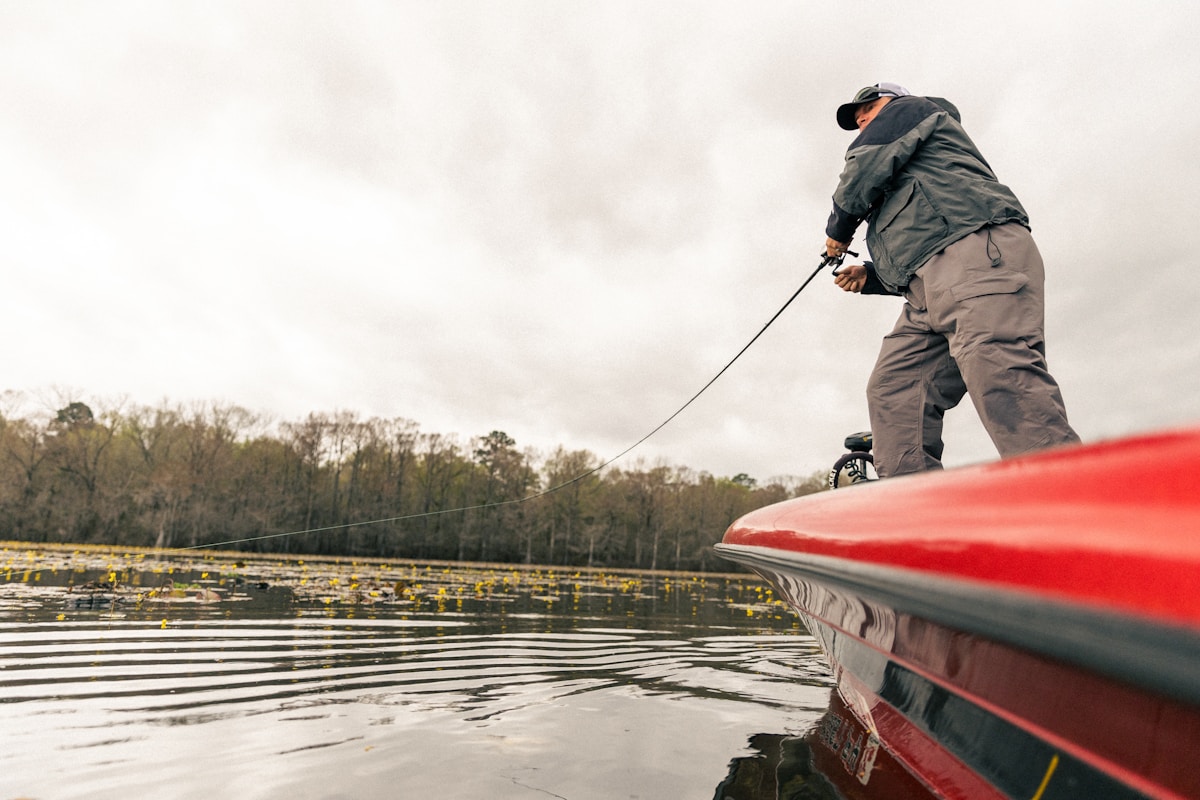
The Mechanics of Bait Casting Reels
The key difference between a baitcaster and a spinning reel is that the baitcaster’s spool actually rotates as you cast. That rotating spool is what gives you more direct control over cast distance and placement — but it’s also what causes backlash when the spool spins faster than the line can peel off. Every adjustment and feature on a baitcaster is essentially about managing that spool speed.
The reel mounts on top of the rod, which gives you a more natural grip for power fishing and a direct sightline to your target. The drag system controls resistance when a fish runs — a well-tuned drag saves you from broken line when a heavy fish makes a sudden burst. Gear ratio determines retrieve speed. A 7.1:1 ratio retrieves line faster than a 5.4:1, which matters depending on whether you’re burning a topwater lure or slow-rolling a swimbait along the bottom.
Choosing the Right Bait Casting Reel
The thing is, not all baitcasters are built for the same job. Low-profile reels — the kind that look sleek and compact in your palm — are generally more comfortable for long days of casting and are what most anglers start with. Round reels hold more line and are typically used for heavier applications like musky or saltwater fishing.
- Material: Look for aluminum or carbon frames. They’re lighter than older designs and hold up to seasons of use without flexing under a heavy fish.
- Brake System: Adjustable brakes — either centrifugal or magnetic — are how you tune the reel to your lure weight. Magnetic brakes are generally easier to adjust mid-session from the outside of the reel.
- Handle: It’s a small thing until you’re casting for eight hours. An ergonomic handle that fits your grip size makes a real difference in fatigue.
Spool size also matters. Smaller spools are suited for finesse techniques with lighter line — say 10-12 lb fluorocarbon. Larger spools handle heavier braid for punching through vegetation or fishing open water with big swimbaits.
Popular Bait Casting Reel Features
Modern baitcasters come with a lot of features that weren’t available even ten years ago. Magnetic braking systems with external dials let you fine-tune spool speed without opening the side plate. Some higher-end reels have dual braking systems — both centrifugal and magnetic — which gives you a wider range of tuning options across lure weights.
Bearings are worth paying attention to. More bearings doesn’t automatically mean a smoother reel — the quality of the bearings matters more than the count. A reel with 6 high-quality stainless steel bearings will outperform a reel with 10 cheap ones. Look at how a reel handles under load, not just how it freespools on the shelf.
Line Capacity and Versatility
Line capacity is printed on the reel, usually listed for both monofilament and braid. Match it to your fishing style. If you’re flipping heavy cover with 50 lb braid, you don’t need 200 yards — 80-100 yards is plenty. If you’re casting far in open water, you want more capacity. I’m apparently more paranoid about running out of line than most of my fishing partners, so I always err toward more capacity than I need.
Magnetic brakes in particular let you dial in for lure weight and wind conditions on the fly, which makes a single reel useful across multiple presentations. That versatility is what makes quality baitcasters a long-term investment rather than a one-trick purchase.
Maintenance and Durability
A baitcaster that gets cleaned and oiled regularly will last a decade easily. After every few trips, at minimum, wipe down the exterior and add a drop of reel oil to the spool shaft and bearings. Saltwater anglers need to rinse reels with fresh water after every use and do a full service — disassembly, cleaning, re-lubing — a couple times per season. The internal mechanism on a baitcaster is more complex than a spinning reel, but if you’re comfortable with small mechanical things, a full cleaning is manageable at home.
Top Picks for Bait Casting Reels
I’ve fished a handful of these over the years and they consistently come up in conversations about what actually works:
- Shimano Curado DC: The digital brake system on this one is legitimately useful — it adjusts automatically during the cast and dramatically reduces backlash on long throws. Durable, smooth, and handles everything from light crankbaits to heavy swimbaits.
- Daiwa Tatula SV TW: The SV (Small Velocity) spool design is excellent for lighter lures that would cause problems on a standard baitcaster. It’s become a go-to recommendation for anglers moving from spinning gear for the first time.
- Abu Garcia Revo SX: Solid all-around option, especially for the price point. The drag is reliable, the cast is smooth, and it holds up well over seasons of regular use.
Why Choose a Bait Casting Reel?
The honest answer is: precision. When you’re trying to skip a jig under a dock, flip a Texas rig into a two-foot gap between lily pads, or work a crankbait exactly along a weed edge, a baitcaster gives you a level of placement control that a spinning reel can’t match. You control how much line comes off the spool with your thumb, and with practice that becomes second nature.
The learning curve is real but shorter than the reputation suggests. Expect a few tangled sessions while you dial in the brake settings for your lure weights. Once you find the right setup and develop the muscle memory for feathering the spool, backlash becomes rare. That’s what makes baitcasting endearing to serious anglers — it rewards investment of time with real capability.
Recommended Fishing Gear
Garmin GPSMAP 79s Marine GPS – $280.84
Rugged marine GPS handheld that floats in water.
Garmin inReach Mini 2 – $249.99
Compact satellite communicator for safety on the water.
As an Amazon Associate, we earn from qualifying purchases.



Stay in the loop
Get the latest fishing tales journal updates delivered to your inbox.