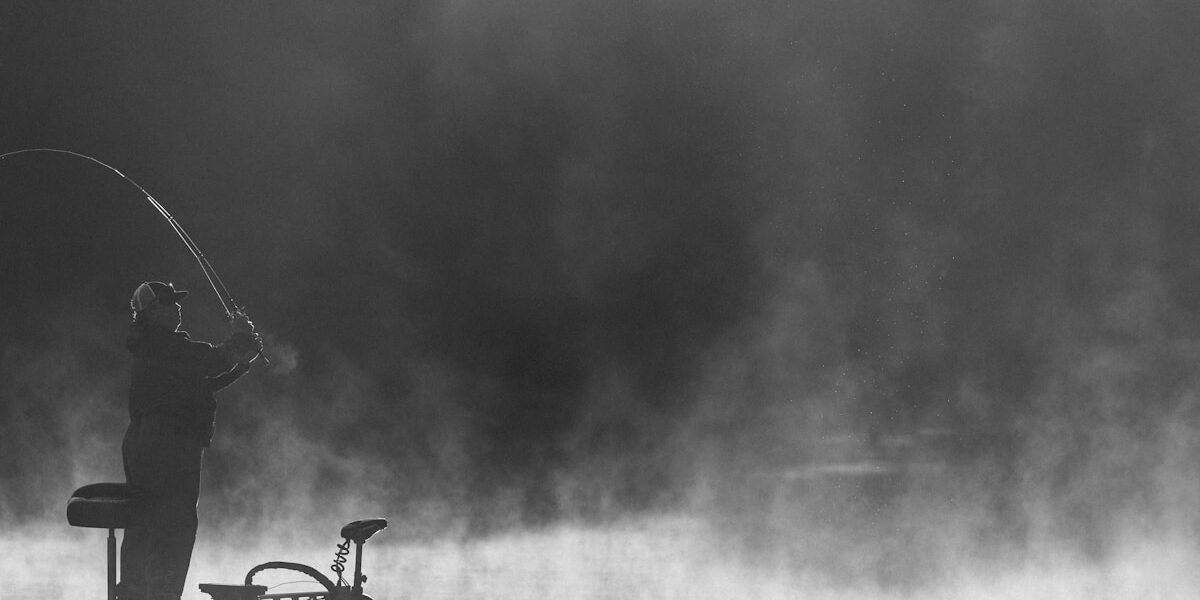
Surf Fishing Rod Guide
Surf fishing gear selection has gotten genuinely complicated with all the specifications and competing advice flying around. Today I’ll share what I know about picking a surf rod and reel combination that works.

Understanding Surf Fishing Rods
Surf fishing rods are built differently from standard freshwater rods because they have to do something no other rod has to do: throw heavy rigs long distances over and through breaking waves. They’re longer — typically 9 to 14 feet — and that length serves a specific function. The extra reach allows for longer casting distances when you need to get bait past the break, and it keeps the line elevated above incoming waves that would otherwise create drag and move your bait.
Length is a tradeoff, though. Longer rods cast farther but are physically more demanding to use, especially when casting heavy sinkers repeatedly over several hours. For anglers just getting into surf fishing, a 10-11 foot rod strikes a reasonable balance between casting distance and manageability. You can always go longer as your technique develops.
Materials break down into three categories: graphite, fiberglass, and composite blends. Graphite is light and sensitive, which helps you detect light bites and reduces fatigue during long sessions. Fiberglass is heavier but substantially more durable and better suited to fighting large, powerful surf species. Composite rods try to combine both qualities and often do a decent job of it. For most surf fishing situations, a composite rod in the medium-heavy to heavy power range is the practical choice.
A Guide to Surf Fishing Reels
The reel needs to match the demands of surf fishing, which means adequate line capacity, strong drag, and corrosion resistance as baseline requirements. Spinning reels are the dominant choice for surf fishing because they cast long distances efficiently and handle well in wet, sandy conditions. The key size specification for surf fishing is generally a 6000-8000 series reel — big enough to hold substantial line, with a drag system rated for the species you’re targeting.
Some experienced surf anglers use conventional (baitcasting) reels for surf fishing. They offer more control once mastered and can be advantageous for certain techniques, but they require more skill and are less forgiving in casting. If you’re new to surf fishing, start with spinning gear and don’t complicate the learning process unnecessarily.
One factor that’s easy to underestimate: saltwater is hard on reel internals. Buy a reel rated for saltwater or marine use rather than adapting a freshwater reel. The corrosion-resistant materials and sealed bearing systems are not marketing fluff — the difference in longevity between a proper saltwater reel and a freshwater reel used in the surf is dramatic. Rinse any reel with fresh water after every surf session regardless.
The Importance of Line Capacity and Type
Surf fishing lines have to handle two specific demands that most freshwater line doesn’t face: the stress of casting heavy sinker rigs (often 4-8 ounces) and the abrasion from sand, rocks, mussels, and whatever else is on the bottom. Both factors influence line choice.
Monofilament remains popular for surf fishing because of its stretch — that elasticity acts as a shock absorber during the casting stroke and when a powerful fish makes a sudden run. It’s also more resistant to abrasion than most braided lines at equivalent diameter. The downside is lower strength-to-diameter ratio, meaning you need heavier test to achieve the same break strength.
Braided line provides much higher strength at smaller diameters, which allows longer casts and more line on the reel. The lack of stretch is an advantage for sensitivity but a potential disadvantage during the casting stroke with heavy weights. The practical solution is a braided main line with a monofilament shock leader — typically 30-40 pound mono tied to the end of the braid. The mono leader absorbs the shock of the cast and provides abrasion resistance where the line contacts the bottom and terminal tackle.
Tips for Rigging Your Surf Fishing Setup
Rigging for surf fishing is about keeping bait in the right place despite current, wave action, and fish pressure. A few specifics that matter:
- Pyramid sinkers are the standard for most surf fishing situations. The shape buries into sand and holds against current and wave action better than rounded sinkers. Use weight matched to conditions — heavier in strong current, lighter in calm water.
- A fish-finder rig allows a fish to pick up the bait and move with it without immediately feeling the weight of the sinker. This is particularly valuable for species like red drum and black drum that tend to mouth bait before committing.
- Circle hooks are worth using in surf fishing if you’re targeting species you plan to release. They hook in the corner of the mouth, dramatically reducing gut-hooking. They do require a different hook-setting approach — maintain tension and let the fish turn away rather than setting the hook with a hard upward sweep.
Use strong knots throughout. The Improved Clinch knot or Palomar knot are reliable choices for attaching terminal tackle. The double uni-knot or FG knot works well for connecting braid to mono leader. Test your connections before casting — the forces involved in surf casting put real stress on every connection in the system.
Surf Fishing Techniques and Locations
Where you fish matters as much as how you’re rigged. Sand spits, inlet edges, jetties, and areas near submerged bars all concentrate fish by creating current breaks and food-gathering zones. Sandbars running parallel to shore create troughs between bar and beach that fish travel along during feeding. Learn to identify these features in daylight so you can fish them effectively.
Tide timing is critical. Many surf species feed most actively during tidal movement — the two hours on either side of a tide change is often when the fishing is best. An incoming tide pushes bait along the beach and draws predators into the surf zone. An outgoing tide concentrates fish at inlets and cuts where bait is funneling out. Pay attention to tide tables before planning a surf session, not just as an afterthought.
Worth mentioning: try casting parallel to the shoreline in addition to straight out. Fish often travel along the surf zone following the movement of bait, and a parallel cast keeps your bait in the productive zone longer than one that angles straight out.
Always know the local regulations for whatever species you’re targeting in the surf. Size limits, bag limits, and seasonal restrictions vary by state and species. Enforcement on popular surf beaches is real.
Recommended Fishing Gear
Garmin GPSMAP 79s Marine GPS – $280.84
Rugged marine GPS handheld that floats in water.
Garmin inReach Mini 2 – $249.99
Compact satellite communicator for safety on the water.
As an Amazon Associate, we earn from qualifying purchases.




Stay in the loop
Get the latest fishing tales journal updates delivered to your inbox.