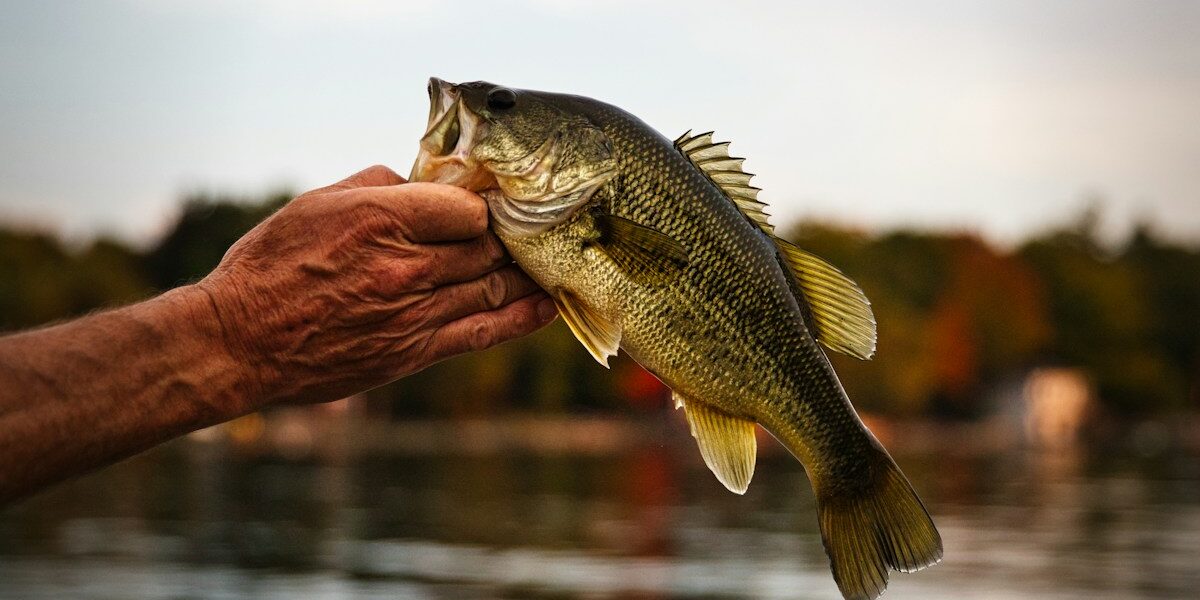
Fishing destinations get ranked and re-ranked endlessly, with the same names appearing at the top of every list. Alaska, the Florida Keys, New Zealand, the Amazon. These are legitimately great places to fish, but the constant repetition has created blind spots — there are fishing locations on every inhabited continent that receive a fraction of the attention they deserve, where the fish are large, the pressure is low, and the experience is unlike anything on the well-worn circuit. Here are twelve that hold up to serious scrutiny.
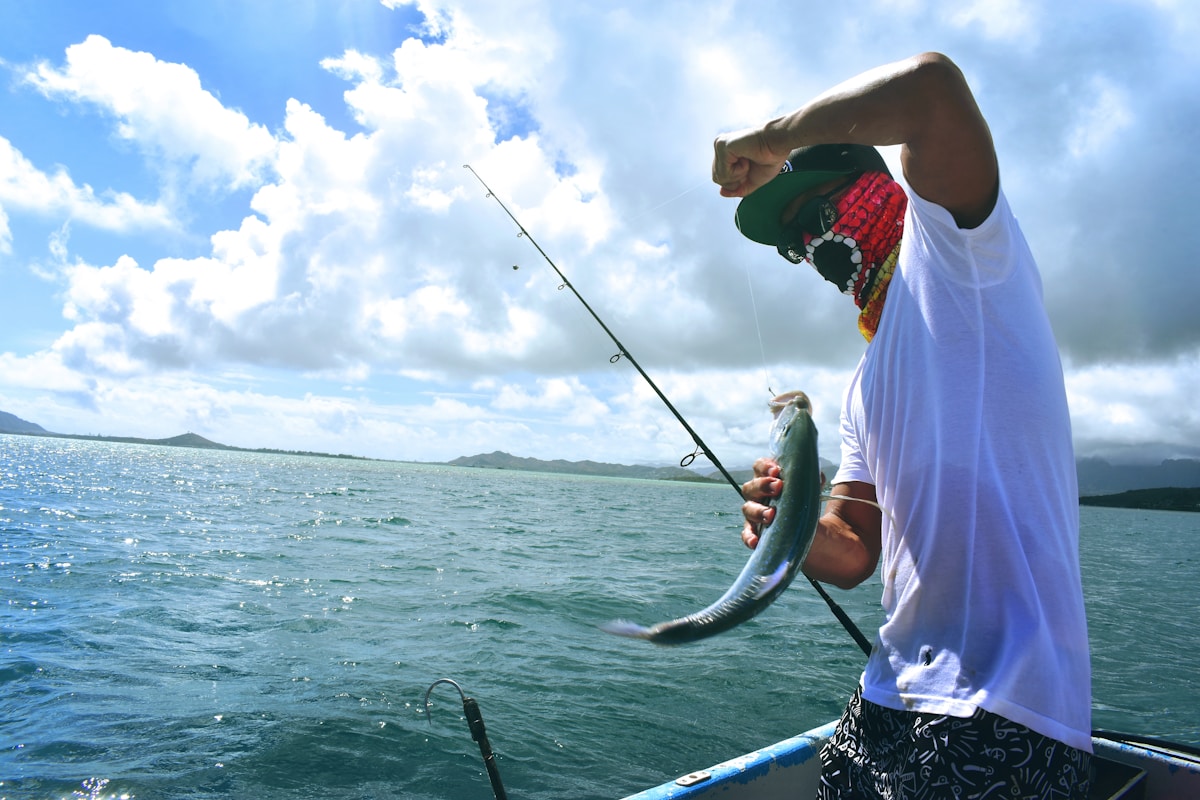
Alaska’s Kenai River
The Kenai gets on this list not because it’s unknown but because it’s so often summarized without its full texture being conveyed. The king salmon runs in late May and July are justifiably famous — Les Anderson’s 97.4-pound world record came out of this river, and it’s still possible to hook fish approaching that size during a strong run. What gets less attention is the river’s rainbow trout population, including the large wild rainbows that stack up in the lower river below the falls through late fall and winter. These fish can exceed 30 inches and fight as well as any trout on Earth. The Kenai also produces Dolly Varden, silver salmon, and sockeye in season, making it a multi-species fishery that holds up across months, not just during a single peak window.
Belize’s Barrier Reef Flats
Belize’s saltwater fishing doesn’t get the same promotional volume as the Florida Keys or the Bahamas, which means the flats are less crowded and the fishing is often better as a result. The Barrier Reef is the second-largest in the world, and the back-country flats behind it hold the grand slam species — bonefish, permit, and tarpon — in numbers that rival any destination in the Western Hemisphere. Local guides working out of San Pedro, Dangriga, and Placencia know the water in ways that take years to develop. The permit fishing, in particular, on the southern flats near the Sapodilla Cayes is as good as permit fishing gets.
Amazon Basin, Brazil
The Amazon’s fishing diversity is simply incomparable. More freshwater fish species exist in the Amazon basin than in the entire Atlantic Ocean — a figure that becomes more interesting every time you think about it. For trophy sport anglers, the giant peacock bass is the primary target, and the Rio Negro’s blackwater tributaries produce fish exceeding 20 pounds with regularity. Peacock bass on topwater lures hit with explosive violence that doesn’t prepare you for it regardless of how many times you’ve been told to expect it. The jungle lodges along the Rio Negro and its tributaries offer multi-day guided trips into water that sees genuinely light angling pressure.
New Zealand’s Fiordland
Fiordland, in New Zealand’s far southwest, is remote in ways that most people underestimate until they try to get there. That remoteness is exactly what makes it extraordinary. The rivers and lakes in and around the fiords hold wild brown and rainbow trout in a landscape that has been essentially untouched by industrial development. Fiordland also offers saltwater options in the fiords themselves — blue cod and kingfish in deep, cold water — and the combination of both fisheries in a setting of that scale is unlike anything available in more accessible parts of the country. Regulations in Fiordland National Park are strict and worth understanding before you go.
The Maldives Atolls
Most people go to the Maldives for the resorts. The fishing community goes for the yellowfin tuna, sailfish, and marlin that move through the atoll channels seasonally, and for the GT — giant trevally — that prowl the reef edges and are arguably the most aggressive fish in the Indian Ocean to target on fly or casting tackle. The atolls concentrate baitfish in patterns that draw large pelagic fish reliably, and many of the resort islands now run fishing charters as part of their offerings with experienced local captains who know the seasonal fish movements. The water clarity is extraordinary and the opportunity to sight-fish for large predators in shallow atoll environments is genuinely special.
Botswana’s Okavango Delta
The Okavango is an inland delta — a river system that flows into the Kalahari Desert and spreads into a vast wetland rather than reaching the ocean. The fishing here is primarily for tigerfish, and the delta produces good fish in the 10 to 15-pound range with consistency. The delta floods seasonally, and timing a trip to the lower water period when fish concentrate in channels and lagoons improves the catch rates significantly. The dual experience of fishing in a landscape with hippos, crocodiles, elephants, and hundreds of bird species produces a version of fishing trip that has no equivalent elsewhere. Mobile camp safaris that combine fishing with wildlife viewing are the standard format for visiting the delta.
Norway’s Lofoten Islands
The Lofoten Islands jut out from the Norwegian coast into the North Atlantic in a landscape of dramatic peaks, deep fjords, and traditional fishing villages that have depended on cod for centuries. The skrei — migratory Atlantic cod — arrive off Lofoten from January through April in what is one of the oldest continuously documented commercial fish migrations in the world. These fish run larger than year-round resident cod, and trolling or jigging for them in the fjords with mountains rising straight out of the water on both sides is an experience with a particular character that doesn’t exist anywhere else. Halibut of genuine trophy size — 200 pounds and larger — are caught in the deep channels off the islands during summer.
Australia’s Great Barrier Reef
The GBR is 2,300 kilometers of reef system running along the Queensland coast, and the fishing along its outer edges and in its passes draws species that most anglers never encounter anywhere else. Coral trout, Spanish mackerel, and giant trevally are the primary inshore targets; offshore, the seamounts and current lines hold yellowfin tuna, wahoo, and black marlin. The black marlin fishery off Cairns in October and November, targeting fish in the 500 to 1,000-pound range, is one of the most focused trophy fisheries in the world and the reason Cairns has a dedicated international sport fishing industry built around it.
Scotland’s River Tweed
The River Tweed holds a particular place in fly fishing history that extends well beyond Scotland — techniques developed on this river influenced spey casting methodology worldwide. Atlantic salmon runs on the Tweed have declined from historic peaks but remain productive by European standards, and the autumn run of large, sea-bright salmon in September and October draws fly anglers from across the continent. Beat access on the Tweed operates through a traditional system of privately owned beats that can be booked through fishing agents, with prices reflecting the quality of the fishing. Some beats are accessible at reasonable cost through off-peak bookings; the prime beats in September command prices that reflect their historical reputation.
French Polynesia’s Rangiroa
Rangiroa is one of the largest atolls in the world — the lagoon is large enough to contain the island of Tahiti — and the fishing inside and outside the passes is exceptional. The passes that connect the lagoon to the open ocean concentrate baitfish and the predators that follow them: bluefin trevally, dogtooth tuna, marlin, and on the reef edges, large bonefish. The remoteness of Rangiroa compared to Tahiti means it sees less tourist volume, and the fishing pressure on those flats is minimal compared to destinations in the Caribbean. A dive-oriented itinerary to Rangiroa that incorporates mornings on the flats and afternoons trolling the pass is a genuinely unusual combination.
Seychelles’ Alphonse Island
Alphonse Island is widely considered one of the premier flats fishing destinations in the Indian Ocean, and the reputation is earned. The flats surrounding the island hold bonefish, permit, and milkfish — the Indian Ocean species portfolio that is the equivalent of the Caribbean grand slam but harder to complete. Giant trevally cruise the reef edges and hit flies with a ferocity that tests even experienced saltwater anglers. The island operates a dedicated fishing lodge with expert guides, high-end accommodation, and a fly fishing program that produces consistent results across the target species. It’s not a budget destination, but for anglers who have fished the Caribbean extensively and want to explore what the Indian Ocean flats fishery looks like, Alphonse is the standard-bearer.
Costa Rica’s Osa Peninsula
The Osa Peninsula occupies a small corner of southwest Costa Rica and contains more biodiversity per square kilometer than almost anywhere else on Earth. The fishing offshore reflects that richness: sailfish, marlin, roosterfish, yellowfin tuna, and wahoo all move through the waters surrounding the Osa seasonally. Roosterfish, in particular, are a highlight here — large fish up to 80 pounds can be caught on surface poppers and fly tackle in the rocky points and surf zones along the coast. Eco-lodges on the Osa are designed around minimal impact in a protected forest zone, and the combination of jungle rainforest, pristine beach, and world-class fishing that not many people have heard of makes the Osa Peninsula one of the more genuinely exceptional fishing travel destinations in the Americas.

Stay in the loop
Get the latest wildlife research and conservation news delivered to your inbox.