Great Lakes fishing has gotten complicated with all the trolling technology and charter boat marketing flying around. As someone who’s chased chinook salmon, steelhead, and walleye across all five lakes, I learned everything there is to know about fishing waters that are basically inland oceans. Today, I will share it all with you.
The Great Lakes aren’t lakes. They’re inland seas. Twenty percent of the world’s surface freshwater in five connected bodies of water that create fishing opportunities rivaling any saltwater destination. And the stories from these waters run as deep as the fish themselves.
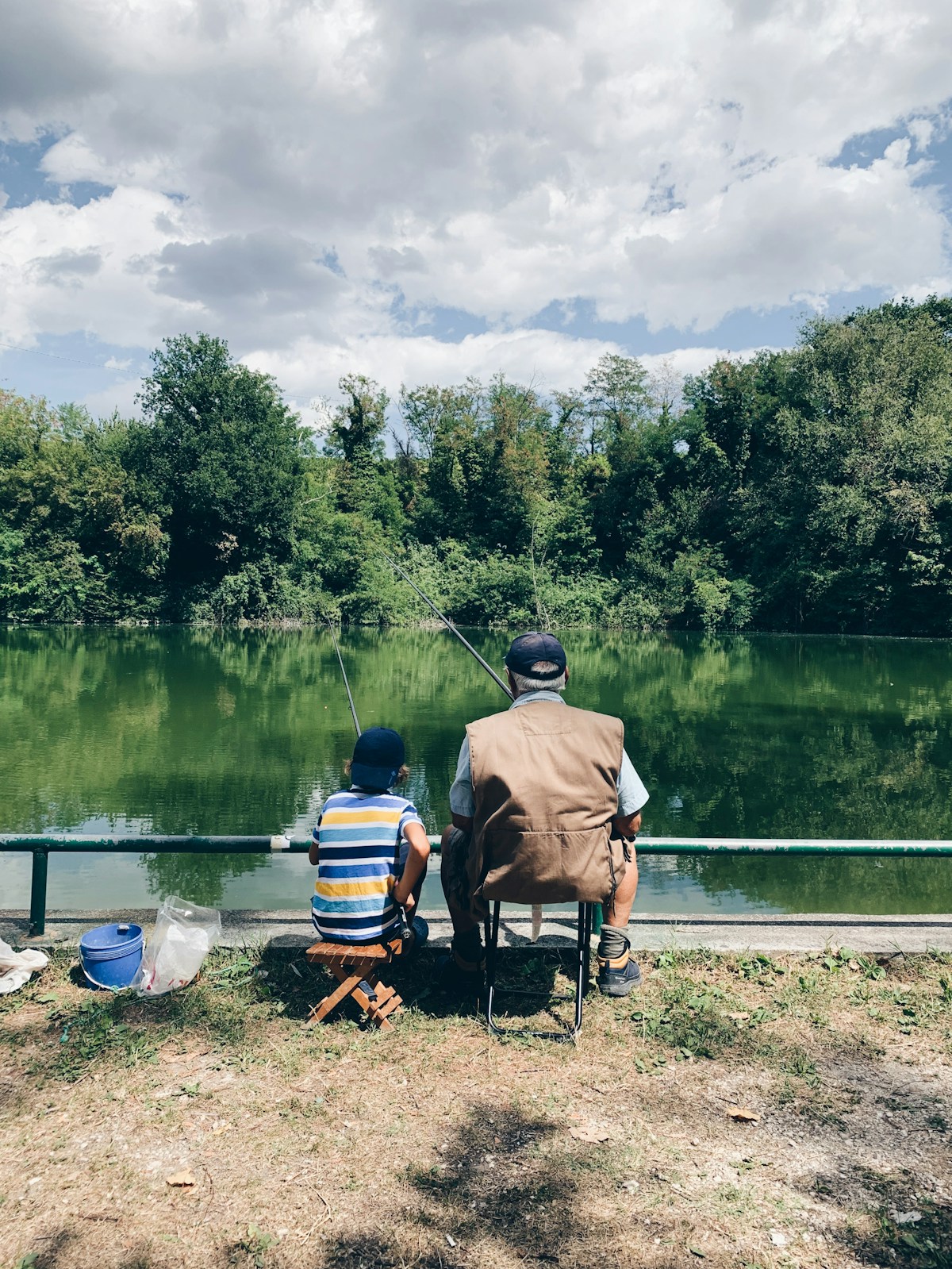
A Brief History of Great Lakes Fishing
This fishery has lived several lives. Native peoples harvested lake trout, whitefish, and sturgeon for thousands of years. Commercial fishing peaked in the early 1900s. Then came catastrophe — sea lampreys invaded through the St. Lawrence Seaway and devastated native trout. By the 1960s, a lot of people believed Great Lakes fishing was finished.
What happened next was one of the most successful fishery rehab projects in history. Pacific salmon got introduced. Lamprey control programs hammered the parasites. Today the Great Lakes support a world-class sport fishery that draws anglers from around the world. Not bad for a system everyone had written off.
The Species That Built Legends
Chinook Salmon
Pacific salmon have thrived since their 1960s introduction. Lake Michigan chinook are legendary — fish commonly exceeding 20 pounds, occasional monsters topping 40. Spring and fall runs draw thousands of anglers to ports across all five lakes. Probably should have led with this section, honestly — chinook changed everything about Great Lakes fishing.
Lake Trout
The native apex predator, back from near-extinction. Modern lake trout fishing means deep trolling in summer and jigging through ice in winter. Fish over 30 pounds are caught regularly. Rare giants top 40. The comeback story of this species alone is worth celebrating.
Steelhead
Great Lakes steelhead won’t match their Pacific cousins in average size, but they make up for it in abundance and attitude. Tributary streams host excellent runs spring and fall, while open-water trolling produces year-round. Wild steelhead in a Lake Erie tributary will fight you like they have something to prove.
Walleye
Lake Erie’s walleye fishery is the best in the world. Not one of the best. THE best. Eastern basin produces staggering numbers. Spring trolling and fall jigging both work. Limits come fast during peak periods. If you haven’t experienced an Erie walleye blitz, put it on your list.
Smallmouth Bass
Great Lakes smallmouth grow big, fight hard, and provide excellent fishing from late spring through fall. Lake St. Clair’s bronzebacks attract bass specialists from across the country. That’s what makes Great Lakes smallmouth endearing to us bass anglers — they hit like something twice their weight.
Five Lakes, Five Personalities
Lake Superior
Largest, coldest, deepest. Retains the most wilderness character. Holds native lake trout, coaster brook trout, and pristine fishing environments. North Shore of Minnesota and Michigan’s UP offer exceptional access for anglers willing to earn it.
Lake Michigan
King salmon capital. Multiple ports host major tournament circuits. Also produces excellent trout, coho, and warmwater species in its many bays. If chinook are your thing, Michigan is your lake.
Lake Huron
Often overlooked, which is a mistake. World-class Atlantic salmon in the St. Marys River. Excellent walleye and bass in Georgian Bay. Many islands create protected water that fishes well even when conditions get rough.
Lake Erie
The walleye factory. Shallow, warm, productive. Supports one of the most active charter fleets in North America. Also hosts excellent smallmouth and steelhead in the eastern basin and tributaries.
Lake Ontario
Excellent salmon fishing with both chinook and Atlantic salmon available. Deep waters hold trophy lake trout. Tributaries host strong steelhead runs. The eastern anchor of the system and consistently underrated.
Stories from the Deep
The Kewaunee Giant
1994. John Carlson trolling for chinook off Kewaunee, Wisconsin. Something grabbed his downrigger bait and headed for Canada. Turned out to be a 44-pound chinook — still the largest officially recorded from Lake Michigan. “Felt like I’d hooked a submarine,” Carlson said. Can’t improve on that description.
The Erie Walleye Blitz
Every spring, when conditions align perfectly, Erie’s walleye go on feeding frenzies you have to witness to believe. Boats limit in hours. Tournament winning weights need 8-pound averages. Old-timers talk about legendary blitzes where every single cast produced a fish.
The Coho Revolution
When Howard Tanner introduced coho salmon to the Great Lakes in 1966, nobody knew what would happen. Fish thrived beyond anyone’s wildest projections. Within years the Great Lakes went from ecological disaster to fishing paradise. One bold experiment saved an entire fishery and created memories for millions of anglers.
Great Lakes Fishing Techniques
Trolling
Dominant open-water technique. Modern trolling involves downriggers, planer boards, complex presentations, and electronics that would make a fighter pilot feel at home. Learning curve for DIY is steep but worth climbing.
Tributary Fishing
During salmon and steelhead runs, Great Lakes tributaries offer excellent bank and wade fishing. Float rigs, centerpin techniques, and fly fishing all produce when runs are in. Some of the most accessible big-fish opportunities in freshwater.
Ice Fishing
When shallower sections freeze, excellent ice fishing opens up. Perch, walleye, and lake trout through the hard water extend the season into winter months. Not glamorous. Highly effective.
Pier Fishing
Great Lakes piers provide boat-free access to salmon, steelhead, and panfish. During runs, pier fishing can be remarkably productive and serves as the gateway drug to Great Lakes fishing for many newcomers.
Planning Your Great Lakes Trip
- Choose your target species first — Different lakes and seasons favor different fish
- Consider a charter — Learning curve for trolling is significant. A good captain accelerates your education dramatically
- Monitor conditions — Big water turns dangerous quickly. Respect forecasts
- Research tributary regulations — Different states, different rules for salmon and steelhead streams
- Plan around run timing — Spring and fall concentrate fish and anglers. Plan accordingly
The Future of Great Lakes Fishing
Ongoing challenges include invasive species, changing climate, and management debates about stocking. But the foundation built over sixty years of rehabilitation holds strong. The commitment to maintaining this world-class fishery continues.
For anglers willing to learn big water, the Great Lakes reward with fish and experiences rivaling any destination in North America. These inland seas have written fishing history for generations and they’re still writing new chapters. Every day.