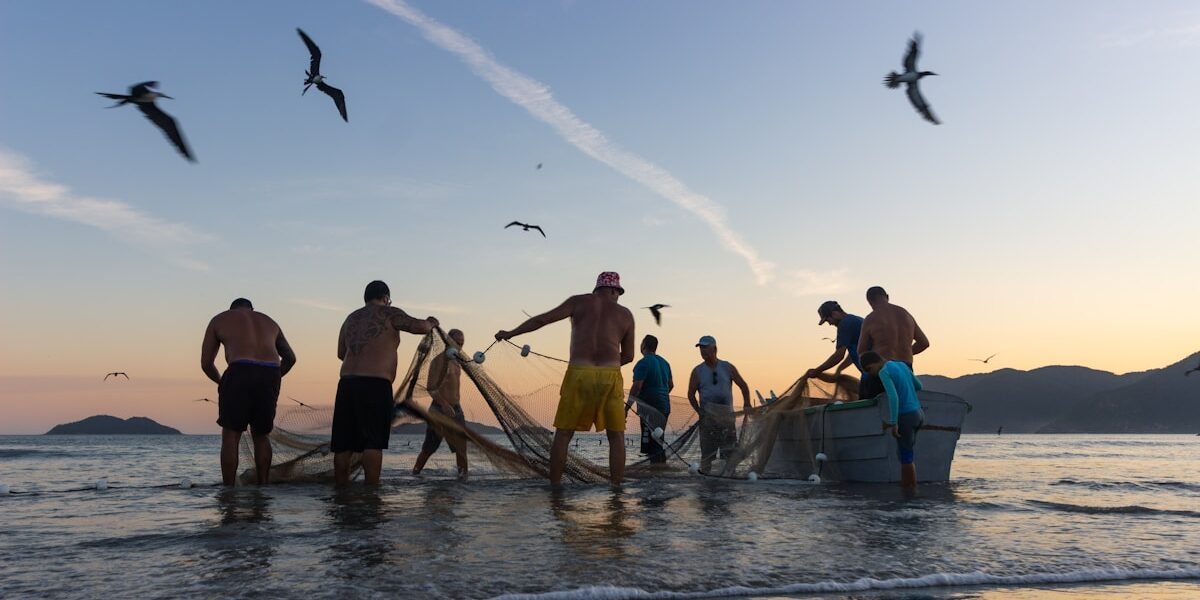
Catch and release has become standard practice among serious anglers, and for good reason — the fisheries that treat it as the norm consistently produce better fishing than the ones that don’t. I didn’t grow up practicing it religiously. I was taught that you kept what you caught, within the legal limits. What changed my thinking was watching specific fisheries improve dramatically over time as C&R became more widespread, and watching other fisheries decline when it wasn’t.
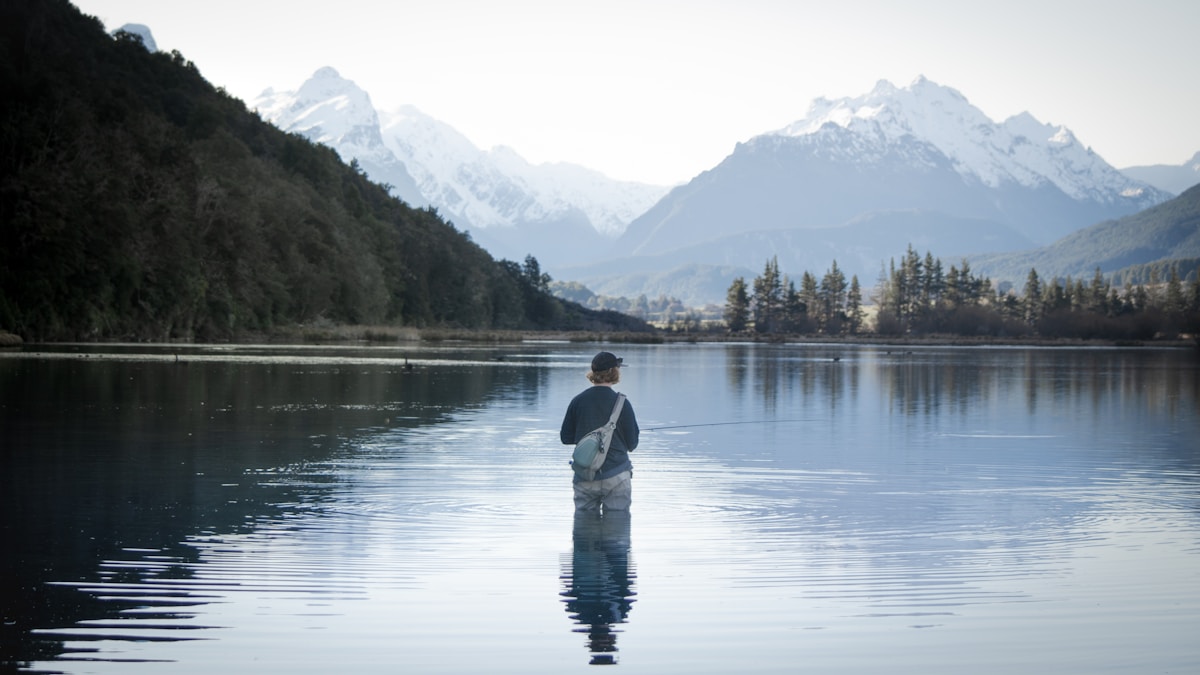
The Biology Behind Why It Matters
Large fish are disproportionately valuable to a fishery. A big female bass doesn’t just weigh more than a small one — she produces dramatically more eggs. A 5 lb largemouth produces roughly 20,000-40,000 eggs per spawn compared to 2,000-3,000 from a 1 lb fish. Remove the large fish consistently and you shift the age and size structure of the population younger and smaller over time. That’s visible in heavily harvested fisheries where trophy fish essentially disappear.
The inverse is equally true. Fisheries with strong catch-and-release cultures produce more large fish because those fish are allowed to reach their growth potential. The trout streams and bass lakes with outstanding big-fish reputations almost universally have strong C&R norms — that’s not a coincidence.
How to Actually Do It Right
This is where a lot of well-intentioned anglers fall short. Saying you practice catch and release doesn’t mean much if your technique is causing fish mortality. The fish that swims away after being held for three minutes in the air for a photo, or dropped on a dry boat deck, or released limp into the current — that fish may die hours later out of sight.
The core principles, in order of importance:
Keep fish in the water as much as possible. Every second in the air is physiological stress on a fish. Have your hook removal tools — pliers or hemostats — ready before you bring the fish to hand. Get the hook out quickly and get the fish back. A quick photo is fine; a five-minute photo session isn’t.
Wet your hands before touching any fish. Dry hands strip the slime coat, which is the fish’s primary immune defense. A fish with a damaged slime coat is vulnerable to fungal infection. This is a thirty-second habit that makes a real difference.
Hold fish horizontally. Vertical holds, especially of large fish, stress the jaw and internal organs. Support the body weight from below. You’ve probably seen photos of tournament anglers holding bass vertically by the lip — that’s appropriate for a few seconds with a bass, not for all fish species and not for extended periods.
Revive fish properly before release. Hold the fish upright in the water, facing into any current if there is one, and wait until it can hold position on its own and swims off under its own power. Don’t just drop it in. A fish that can’t maintain equilibrium needs more time to recover. Move it gently back and forth in the water to help pass water over the gills.
Gear That Reduces Fish Mortality
Barbless hooks are the most meaningful gear change you can make for C&R fishing. A barbed hook holds better during the fight, but it takes longer to remove and often causes more tissue damage. A barbless hook releases in seconds with almost no injury to the fish. You can crimp the barb on any hook with a pair of pliers — takes five seconds. I was skeptical that I’d lose significantly more fish with barbless hooks. I don’t. The hookup rate is the same; the release is dramatically cleaner.
Rubber mesh landing nets are better than nylon mesh. They’re gentler on the slime coat and less likely to abrade scales. The hooks don’t tangle in rubber mesh the way they do in nylon, which means less time with the fish out of water while you fight with tangled trebles.
Avoid using treble hooks where single hooks are an option, especially for deep-dwelling species. Treble hooks increase the probability of gut-hooking and are harder to remove quickly. Single hooks, or replacing trebles with single-hook alternatives, is a meaningful improvement for fish survival rates.
The Ecosystem Picture
Fish are embedded in the food web in ways that matter beyond the species being fished. Predatory fish regulate the populations of forage fish and invertebrates. Remove the top predators and forage fish populations explode, which depletes zooplankton, which affects water clarity. The cascading effects are documented and real. Maintaining healthy predator populations through catch-and-release practices is a contribution to the ecosystem health of the entire body of water.
Worth mentioning: catch-and-release isn’t a binary thing. Keeping fish within legal limits while releasing others — and specifically releasing large breeding fish — is the practical version that most responsible anglers actually do. Keeping a few 12-inch bass for a fish fry while releasing everything over 15 inches is good stewardship, not a compromise.
Regulations as a Floor, Not a Ceiling
Legal size and bag limits are set to prevent overharvest, but they’re minimum standards, not optimal ones. A fish at the minimum legal size is often not yet sexually mature — releasing it isn’t just legal, it’s important. Treating regulations as the ceiling of your conservation obligation — keeping everything legal and releasing nothing more — is a minimal standard that doesn’t always produce the best outcomes for the fishery.
The anglers I respect most treat regulations as the floor and use their own judgment above that, informed by what’s actually happening in the fishery. If local tournament reports show the bass population skewing small, that’s information worth acting on even if the regulations haven’t changed.
The Practical Self-Interest Argument
Set aside conservation for a moment and consider the self-interested case: anglers who practice good catch and release fish better fisheries. The bass lake that the community has fished responsibly for twenty years has more big fish than the lake that got hammered for a decade. The river that has quality C&R sections consistently produces larger trout than open-harvest sections. You directly benefit from the fishing culture on the waters you fish. Being part of that culture rather than free-riding on it is both ethical and practically smart.
The fishing I’m able to do today was made possible by the people who fished those waters before me with some sense of stewardship. The fishing the next generation has access to depends partly on what we do now.


Stay in the loop
Get the latest wildlife research and conservation news delivered to your inbox.