What Is a Saugeye?
Saugeye fish have gotten a lot of attention in freshwater fishing circles, but plenty of anglers still aren’t sure what they’re actually looking at when they pull one up. As someone who fished Ohio reservoirs for years before I could tell a saugeye from a walleye without squinting at the dorsal fin, I learned everything there is to know about this hybrid. Today, I’ll share it all with you.
Origin and Breeding
Frustrated by the limitations of walleye and sauger in certain reservoir environments, fisheries biologists in the United States began experimenting with hybridization in the mid-20th century. By crossing female walleye with male sauger, they produced a fish that inherited the walleye’s size and flavor with the sauger’s adaptability to murky, turbid water. This new hybrid took off as a stocking fish and eventually became one of the most widely stocked sport fish in the Midwest.
Saugeye breeding happens in controlled hatchery environments. Milt from sauger males is carefully mixed with eggs from walleye females, incubated, and then raised as fry until they’re ready for release. The process is well-established at this point — Ohio alone has been doing it since the 1970s.
Physical Characteristics
Saugeye look like a walleye that borrowed some features from a sauger and kept them. The body is streamlined, built for fast swimming. The coloration shows mottled dark saddle-like blotches across the back — that’s the sauger influence. The spiny dorsal fin shows more defined black spots than a pure walleye’s, which is actually the easiest field identification mark. The tail fin lacks the pronounced white lower-tip that’s a signature of the walleye. Size typically lands somewhere between the two parents — bigger than most saugers, a bit smaller on average than mature walleyes.
Habitat and Distribution
Saugeye thrive in environments that challenge other fish: reservoirs with moderate turbidity, fluctuating clarity, and variable structure. That’s exactly why they were created — to fill in for walleye in waters where walleye populations struggled to establish. As a result of decades of stocking programs, saugeye populations now span dozens of states across the Midwest and South. They’re most successful in mid-sized reservoirs with soft-bottom flats and enough forage fish to support a predator population.
Diet and Feeding Habits
Saugeye are carnivorous predators. Their primary diet is small fish — shad and minnows being the top targets — supplemented by aquatic insects, crustaceans, and other small invertebrates. They’re crepuscular feeders, most active at dawn and dusk, which is exactly when the low-light conditions favor the excellent eyesight they inherited from their walleye parent. That feeding window is narrow but productive. An hour on either side of sunrise or sunset in good saugeye water will consistently outperform a full afternoon of midday fishing.
Fishing Techniques
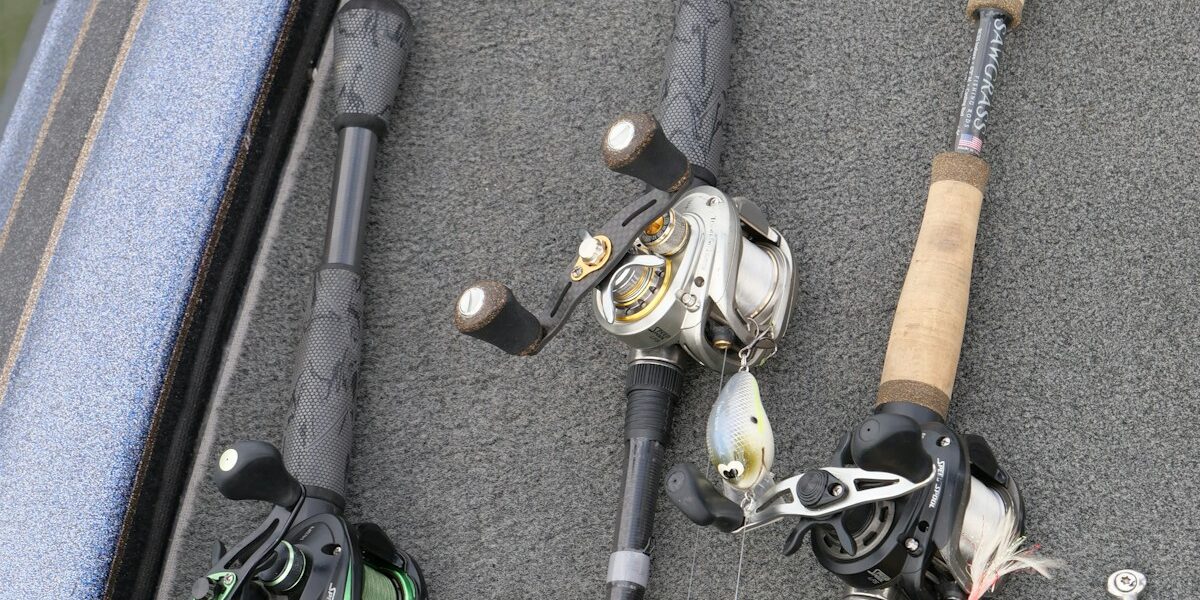
For anglers, saugeye require a blend of walleye and sauger tactics. Trolling with crankbaits or spinner rigs is a go-to approach, especially in spring when fish are moving and aggressive. Jigging near underwater structure — submerged points, rock piles, channel drop-offs — works well once fish are located. Nightcrawlers on a live bait rig remain one of the most consistently effective approaches in any season. The thing is, saugeye fight harder pound for pound than you might expect from a walleye-family fish. Light to medium tackle makes the whole experience considerably more interesting.
Key to consistent success is understanding their daily movement patterns. Saugeye move shallow to feed in low light and pull deeper during bright conditions. Fish the transitions — where hard bottom meets soft bottom, where current breaks from open water — and you’ll find them.
Conservation and Impact
The introduction of saugeye into various water bodies enhances recreational fishing, but it raises legitimate questions about impacts on native species. Saugeye are managed carefully specifically because they don’t typically reproduce at significant rates in the wild — their hybrid genetics result in reduced fertility. This means continued stocking is necessary to maintain populations, which keeps fisheries agencies in control of the numbers. That’s by design, not accident.
Monitoring programs track survival rates, growth, and competition with native fish. The data generally shows that saugeye do what they’re stocked to do without causing the cascading problems that have followed some other introduced species.
Culinary Qualities
Saugeye eat extremely well. Firm white flesh, mild flavor, minimal fishiness — they’re essentially interchangeable with walleye in the kitchen. Pan-fried fillets with a simple egg-and-breadcrumb coating, grilled with lemon and herbs, or baked with butter and Old Bay: all of these work. They’re low in fat and high in protein, and the omega-3 content compares favorably with most freshwater fish. One more thing: fresh saugeye from cold reservoir water in fall might be the best eating in all of freshwater fishing. I’ll stand behind that claim.
Research and Studies
Saugeye are subjects of ongoing research in ecology, genetics, and aquaculture. Genetic studies examine which traits are inherited from each parent and how those traits affect survival in different environments. Ecological studies track how they interact with native species — both as competitors for food and as prey for larger predators. This research refines stocking programs year over year, improving success rates and reducing unintended consequences.
The Role of Angler Participation
Anglers contribute meaningfully to saugeye management whether they realize it or not. License revenue funds stocking programs directly. Creel surveys — those conversations with the game warden at the boat ramp — provide population data that shapes harvest regulations. Reporting tagged fish accelerates what researchers understand about seasonal movement and growth rates. If you fish saugeye water, buy your license, participate in creel surveys when asked, and release fish that you don’t intend to eat. The populations that exist today are the result of sustained effort, and maintaining them requires the same.
Recommended Fishing Gear
Garmin GPSMAP 79s Marine GPS – $280.84
Rugged marine GPS handheld that floats in water.
Garmin inReach Mini 2 – $249.99
Compact satellite communicator for safety on the water.
As an Amazon Associate, we earn from qualifying purchases.



Stay in the loop
Get the latest wildlife research and conservation news delivered to your inbox.