The Forecast Said “Isolated Thunderstorms”
Water safety has gotten complicated with all the conflicting weather apps and radar interpretations flying around. As someone who fished through a lightning storm on Lake Okeechobee and lived to tell about it, I learned everything there is to know about respecting weather the hardest possible way. Today, I will share it all with you.
This is not a story I’m proud of. It’s a confession and a warning. Every angler has done something stupid on the water. I’ve forgotten the drain plug, run onto a submerged stump, left my tackle on the dock. But nothing compares to June 15th, 2017.
Morning had been perfect. Calm water, light cloud cover keeping temps down, largemouth crushing frogs along the hydrilla edges. By 11 AM I had my limit and was releasing fish just for fun. Noticed clouds building to the west but convinced myself they’d pass south. Florida storms do that sometimes. Sometimes.
The First Flash
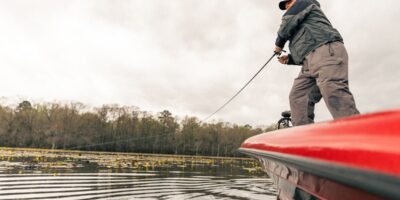
First lightning hit maybe three miles away. Close enough that the thunderclap arrived in under ten seconds. I was standing in my bass boat — graphite rod in hand, metal hooks on my shirt, middle of a vast flat expanse of open water. Essentially a lightning rod with legs and a bad attitude. A smart person would have immediately run for the ramp, fifteen minutes away.
I decided to make a few more casts. This is the part where I want to reach back through time and slap myself.
Inside the Storm
Sky went from gray to green-black faster than I’ve ever seen. Lightning started hitting the water around me — not close enough to be immediately deadly, but close enough to smell the ozone. Close enough to feel my hair stand up from static electricity. That hair-lifting thing? That’s a real warning sign. It means electrical charge is building in your immediate area and you need to get low right now.
I dropped my rod, crouched in the bottom of the boat, and finally did what I should have done twenty minutes earlier. Started the outboard and ran for shore. But the ramp was across open water and the storm was directly overhead. Ran to the nearest shoreline instead — a reed bed about 500 yards away.
Probably should have led with this section, honestly. Those were the longest 500 yards of my life. Rain hammered down so hard I couldn’t see the bow of my own boat. Lightning flashing constantly, thunder instantaneous. I was terrified in a way I’d never experienced. That primal understanding that nature is completely indifferent to whether I survive, and I’d put myself in this position through arrogance and bad judgment.
The Aftermath
Reached the reed bed. Killed the engine. Sat in ankle-deep rainwater for forty-five minutes while the storm raged. Nothing hit me. Nothing hit the boat. When it passed and the sun came back — because Florida — I motored to the ramp with shaking hands and a permanently adjusted perspective on risk.
At the marina, learned that lightning had struck the water about a hundred yards from another angler. He felt the jolt through his trolling motor. Fine, but badly shaken. Two weeks later I read about a tournament angler on Lake Seminole who wasn’t so lucky.
What I Should Have Done
The 30-30 rule is simple: if time between lightning and thunder is less than 30 seconds, you should already be off the water. I had less than 10 seconds on that first strike and kept casting. Inexcusably stupid.
Modern weather apps and radar make storm tracking easy. If you see cells building within 20 miles, start heading in. Don’t wait for the first strike. Don’t convince yourself the storm will miss you. Don’t think one more cast is worth your life. Because it absolutely is not.
That’s what makes weather awareness endearing to us surviving anglers — it keeps you alive to fish another day. I still fish Okeechobee. Still love Florida bass fishing. But I leave at the first rumble now, every single time. The fish will be there tomorrow. You might not be if you make the decisions I made that day.