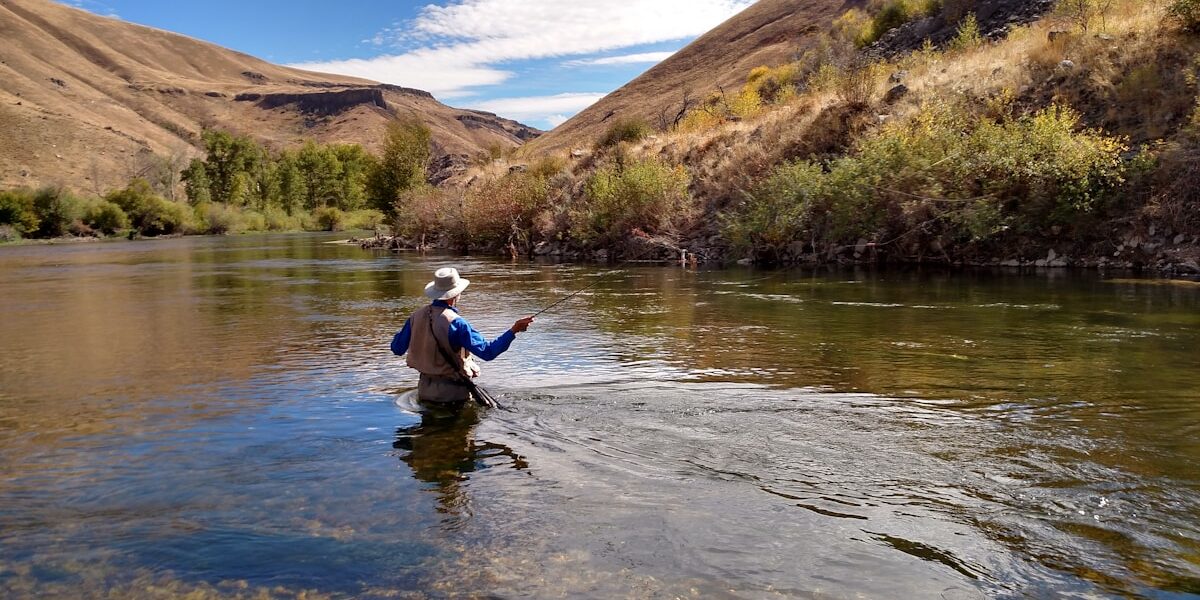
The final weigh-in was brutal. Boat after boat returned with fish. I sat in my empty bass boat, rod tips pointed skyward like monuments to failure, watching the numbers go up on the leaderboard while my name stayed fixed at the bottom with a big fat zero.
That tournament taught me more about bass fishing than any victory ever could.
The Tournament That Humbled Me
I’d been bass fishing for fifteen years when I entered my first major tournament on Lake Guntersville in Alabama. I’d caught big fish before – multiple bass over eight pounds, hundreds over five. I knew how to read water, work a variety of baits, and find fish in different conditions.
What I didn’t know was how to compete.
Tournament fishing is a completely different animal than recreational bass fishing. The pressure changes everything. Fish that would normally bite become lockjaw. Spots that always produce suddenly go silent. And the mental game – oh, the mental game.
Day One: Everything Goes Wrong
I’d pre-fished for three days before the tournament, finding what I thought was an absolute goldmine – a secondary point with submerged brush where I’d caught seven quality bass, including a five-pounder, in just two hours.
Tournament morning, I was the third boat to blast off. I ran straight to my spot, confident, maybe even a little cocky. I picked up my favorite crankbait and made the first cast of the day.
Nothing.
An hour passed. Two hours. I tried every bait in my box – crankbaits, jigs, Texas-rigged plastics, spinnerbaits, topwater, drop shots. The fish that had been there three days ago had vanished. A cold front had pushed through overnight, dropping water temps by four degrees. I hadn’t adjusted my strategy.
By noon, I’d managed one short fish that had to go back. The panic was setting in.
The Scramble
This is where tournament fishing separates those who can adapt from those who can’t. With my primary pattern blown up, I had a choice: keep grinding my dead spot, or abandon ship and try to salvage something.
I ran to the opposite end of the lake, a shallow grassbed I’d only briefly explored during practice. It was a desperation move. I had no real pattern there, no confidence in what to throw.
Two more hours. Nothing.
Meanwhile, I could see other boats in the distance, bent rods, fish being swung into boats. The tournament was happening all around me, and I was just… stuck.
The Final Hour: Rock Bottom
With an hour left before I had to head to weigh-in, I made one last move. A marina with private docks that I’d completely ignored during practice. It was almost laughably obvious – the kind of spot a beginner would fish.
I threw a shaky head worm under a dock and immediately felt a tap. I set the hook on what turned out to be a 14-inch spotted bass. Small, but it was something. Over the next forty-five minutes, I caught three more short fish – all too small to help, all swimming away as I watched the clock tick down.
Final tally: Zero fish weighed. Dead last out of 87 boats.
What Zeroing Out Taught Me
That night, sitting in my truck at the boat ramp long after everyone else had left, I did something I should have done before the tournament: I analyzed what went wrong. Here’s what that zero taught me:
1. Pre-Fish for Conditions, Not Spots
I’d found fish, but I hadn’t understood why they were there. When conditions changed, I had no idea where they’d go. Now I always pre-fish with a focus on understanding the “why” behind fish location, not just marking waypoints.
2. Have a Backup Pattern – Always
Putting all my eggs in one basket was amateur hour. Experienced tournament anglers develop at least three different patterns during practice, knowing that conditions will change and adaptability wins tournaments.
3. Check the Weather, Then Check It Again
That cold front wasn’t a surprise – I’d seen it in the forecast. I just didn’t think it would matter that much. Now I obsessively study weather patterns and adjust my strategy accordingly.
4. Fish Where the Fish Are, Not Where They Should Be
I spent too much time forcing my pre-fish pattern instead of observing what was actually happening on tournament day. If fish aren’t biting in your spot, they’re biting somewhere else. Go find them.
5. Manage Your Mental Game
Once I started panicking, I made worse decisions. I fished faster, covered water without thinking, and missed subtle bites. Now I build mental checkpoints into my tournament day – moments to breathe, refocus, and fish with intention.
The Comeback
Three months later, I entered another tournament on the same lake. Same conditions, actually – a cold front had pushed through the night before, and the bite was tough for everyone.
But this time, I was ready. I’d pre-fished multiple patterns. I’d studied the front and knew fish would pull to deeper structure. I’d practiced staying calm when things went sideways.
I finished 12th out of 92 boats. Not a win, but a massive improvement. And more importantly, I’d learned to think like a tournament angler instead of just fishing and hoping.
Advice for Tournament Newcomers
If you’re thinking about entering your first bass tournament, here’s what I wish someone had told me:
- Enter smaller local tournaments first – Learn the format, the weigh-in process, and the mental pressure without high stakes.
- Fish to learn, not to win – Your first several tournaments should be about gaining experience, not cashing checks.
- Study the winners – After each tournament, talk to the top finishers. Most are happy to share their patterns and techniques.
- Keep a tournament journal – Record conditions, what worked, what didn’t, and how you felt mentally throughout the day.
- Embrace the zero – Almost every successful tournament angler has zeroed out at some point. It’s a rite of passage, not a reason to quit.
The Beauty of Failure
That zero on Guntersville was the best thing that ever happened to my tournament fishing career. It forced me to confront my weaknesses, develop new skills, and approach competition with humility and preparation.
Now, a decade later, I’ve cashed checks in over thirty tournaments and won a few local events. None of those victories taught me as much as that day I sat at the weigh-in with an empty livewell.
The day you zero out isn’t the day your tournament career ends. It’s the day it really begins.
That difficult tournament day makes more sense in context: our guide to fishing competition formats and rules explains scoring, penalties, and what beginners should verify before entering.



Stay in the loop
Get the latest fishing tales journal updates delivered to your inbox.