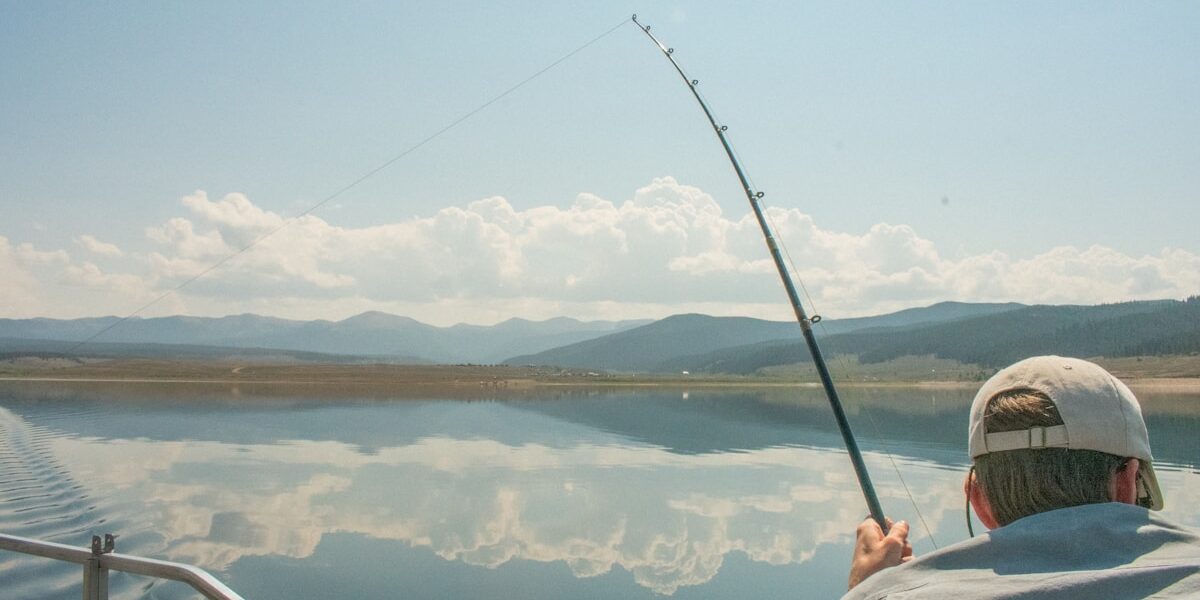
Fall Bass Fishing
Fall bass fishing has a way of rewarding people who pay attention. The season changes fast, the fish move constantly, and the window where everything lines up perfectly is shorter than you’d like. Today, I’ll share what actually works when the leaves start turning and the bass start stacking up.
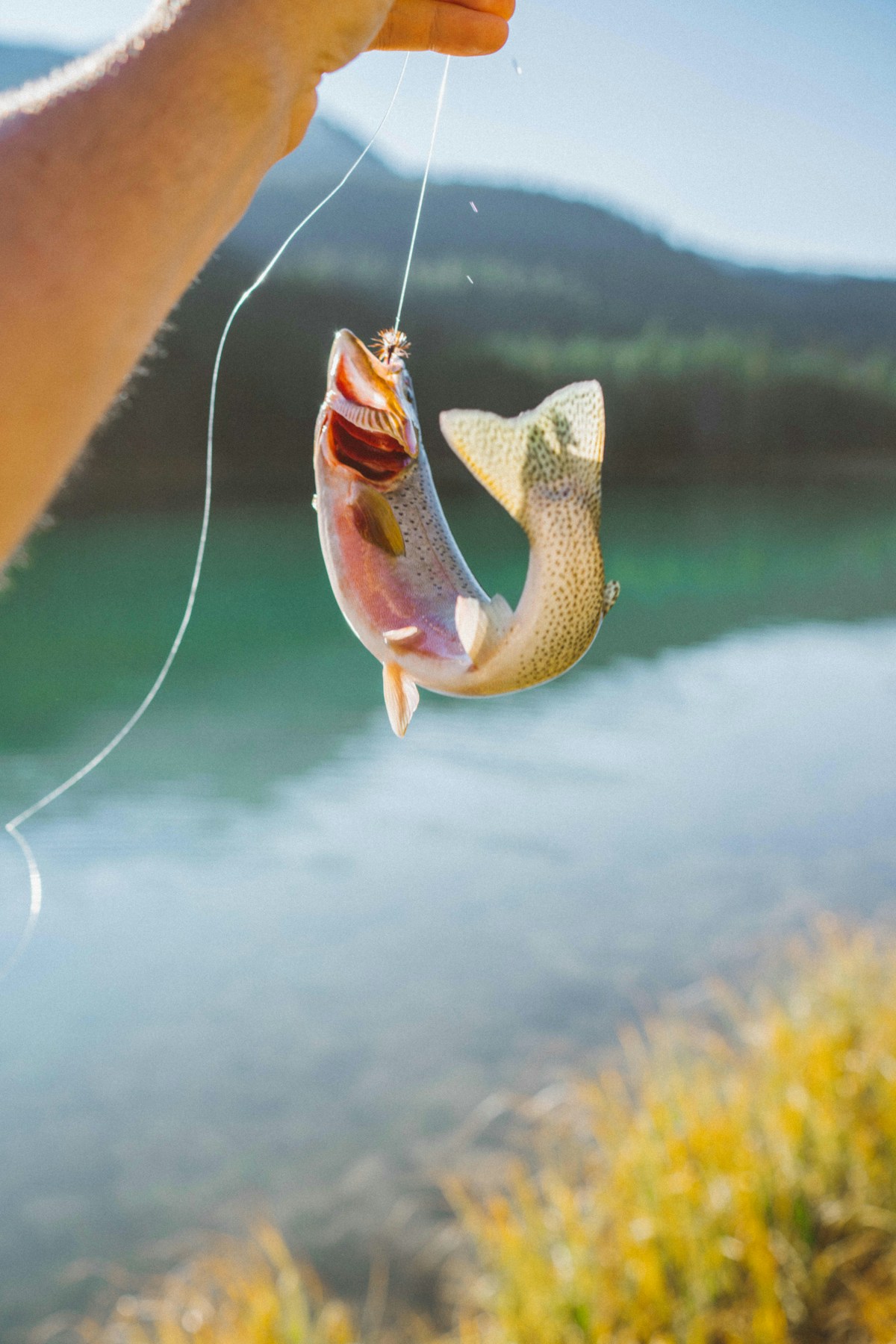
Understanding Bass Behavior in Fall
Bass shift dramatically in fall. As water temperatures drop from summer highs, fish that spent months parked deep start moving toward shallower water. Cooling temperatures raise dissolved oxygen levels and push baitfish — shad, bluegill, perch — into creeks and coves. Bass follow that food source, and for a few weeks in early fall, you can find big fish in spots you haven’t seen them since spring.
Mid to late fall, the patterns consolidate. Bass bunch up around the last remaining green vegetation, fallen timber, and rocky points with deep water nearby. They’re not chasing bait as frantically now — they’re ambushing and staging. Drop-offs and ledges become important as fish begin positioning for winter, sitting at the edge of deeper water and making short feeding runs toward the shallows. Finding those transition zones is the key to late-fall success.
Choosing the Right Gear
Fall doesn’t require specialized gear, but versatility matters. A medium to medium-heavy rod with fast action handles most of what fall bass fishing throws at you — enough backbone for moving fish through grass or wood, enough tip sensitivity to feel the quick bites that happen on fast retrieves. Spinning reels spooled with 10 to 15-pound fluorocarbon or mono cover most scenarios. I keep a second rod rigged with braid for situations where I’m working heavy cover.
Lure selection in fall is less complicated than some people make it. Crankbaits and spinnerbaits are the workhorses because they cover water efficiently and mimic the shad schools that bass are keying on. Lipless crankbaits like the Rat-L-Trap are particularly productive — worked just fast enough to tick the tops of submerged vegetation, they draw violent strikes. Jigs and soft plastics fill in the gaps, especially when conditions slow down and you need to pick apart specific pieces of cover. Hollow-body frogs and poppers are worth having early in the season when surface activity is still happening on warm afternoons.
Effective Techniques
The thing is, covering water is almost always the right move in fall. Bass aren’t as locked to specific locations as they are in summer. They’re chasing bait schools that keep moving, so staying in one spot and waiting them out rarely works the way it might in other seasons.
Crankbaits — run them at different speeds on different casts until you find what triggers strikes. Sometimes a fast, steady retrieve works. Sometimes deflecting the lure off a rock or stump at the end of a cast is what trips the switch. Bump structure. Let the erratic action do the work.
Spinnerbaits around weed edges and rocky points take advantage of the flash and vibration that attract bass from a distance. In colder late-fall water, slow-rolling a spinnerbait just above the bottom can be more effective than faster retrieves — bass that are conserving energy want an easy meal, not a chase.
When things slow down, a jig dragged slowly along the bottom through deeper areas produces. Use enough weight to stay in contact with the bottom. Mimic a crayfish with slow, deliberate hops and extended pauses. The bites often come on the fall after a hop, so watch your line.
Timing Your Fishing
Early morning and late afternoon remain productive in early fall, but as temperatures drop through October and November, midday fishing picks up noticeably. When night temperatures get cold, the water takes time to warm up in the morning — by midday, the shallow areas have absorbed enough heat to activate fish that were sluggish at dawn.
Weather fronts are important. The day before a cold front moves through, bass often feed aggressively. Pre-front fishing in fall can be outstanding. Post-front is a different story — fish go tight to cover, become cautious, and the bite shuts down for a day or two. Plan your trips around the forecast and you’ll consistently put yourself on the water during the best windows.
Location Scouting
Coves, creeks, and protected bays are where you start in early fall. Baitfish push into these areas first, and bass follow. Look for shad activity on the surface — nervous baitfish breaking the surface in the morning are a reliable sign that bass are below them.
As the season progresses, shift to points, ledges, and transition areas where shallow flats meet deeper water. A Humminbird or Garmin unit is genuinely useful here — seeing the bottom composition and depth changes helps you identify staging areas that aren’t obvious from the surface. On clear days, bass in shallow water may be visible with polarized glasses before you ever make a cast.
Water clarity tells you something too. Clear water calls for natural colors and more subtle presentations. Stained or murky water is where chartreuse and white spinnerbaits shine — more vibration, more visual contrast.
Handling Bass Responsibly
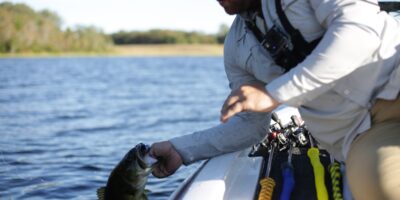
Fall bass are preparing for winter, and how you handle them matters. A firm grip on the lower jaw keeps your fingers safe and avoids injury to the fish. Support the body horizontally on larger fish — letting a big bass hang vertically from the jaw for a long photo stresses the jaw joint. Keep the fish in the water between handling if you’re shooting a photo.
Release fish gently and watch them recover before moving on. Follow local regulations on size and bag limits. Fall fish populations that are well-managed now are what gives the following spring its quality. That’s worth thinking about every time you make a release.
Recommended Fishing Gear
Garmin GPSMAP 79s Marine GPS – $280.84
Rugged marine GPS handheld that floats in water.
Garmin inReach Mini 2 – $249.99
Compact satellite communicator for safety on the water.
As an Amazon Associate, we earn from qualifying purchases.

Stay in the loop
Get the latest fishing tales journal updates delivered to your inbox.