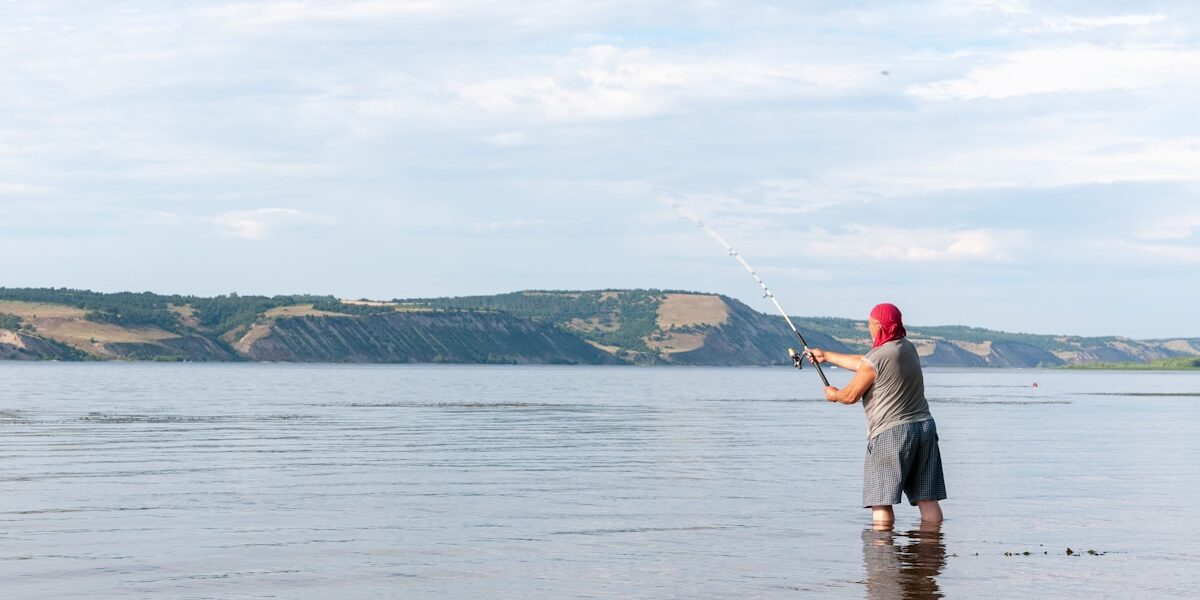
Bass fishing lure selection has a way of becoming overwhelming fast. Walk into a tackle shop and you’re facing hundreds of options, and the packaging tells you very little about when to actually reach for any of them. I’ve spent enough time on the water — and enough money on lures that turned out to be the wrong choice for the conditions — to have a real sense of what works and when. Here’s how I think about the main lure categories and the conditions that make each one shine.
This article includes affiliate links. We may earn a commission at no extra cost to you.
Crankbaits
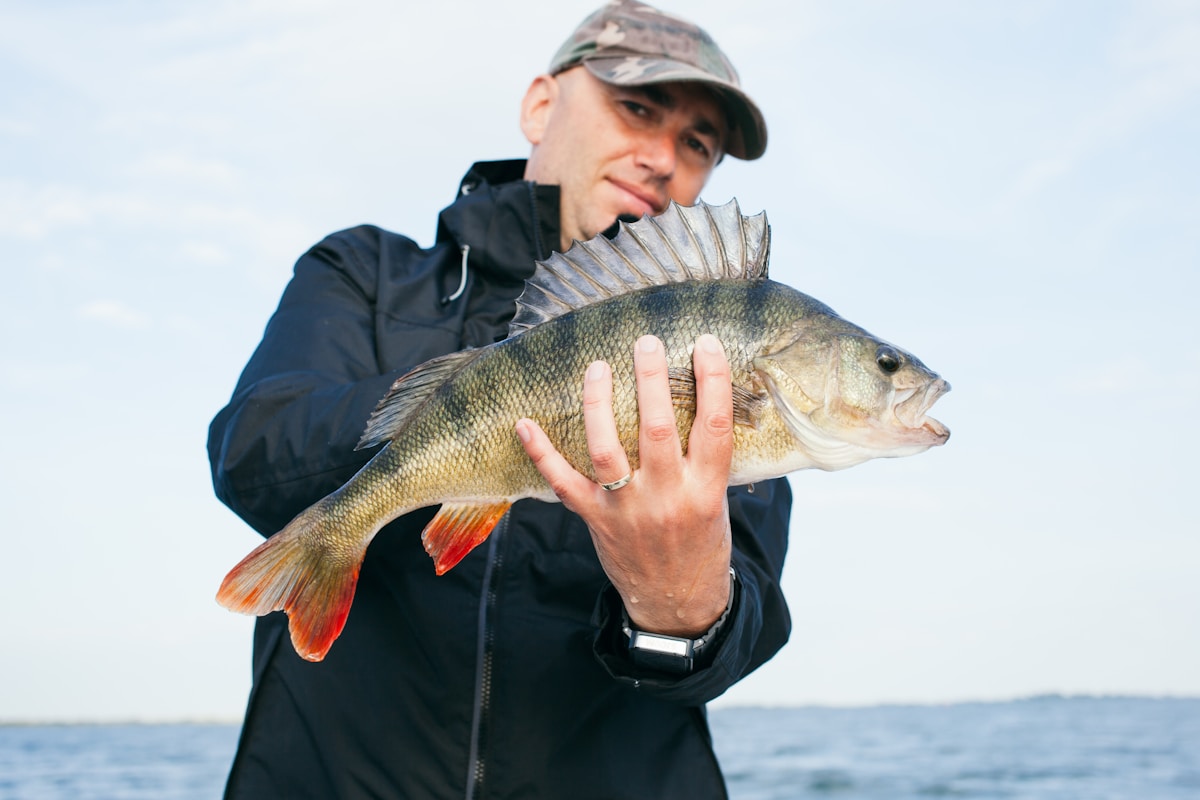
Crankbaits are the most efficient lures for covering water quickly. They’re hard-bodied, often have a built-in rattle, and dive to a specific depth range determined by their lip design. The depth on the package is a real specification — a shallow-diving crankbait running at 2-4 feet and a deep-diver running at 15-20 feet are fundamentally different tools.
Where crankbaits shine: searching unfamiliar water in the fall when bass are actively feeding, burning over submerged flats and points, and anytime you want to trigger reaction bites rather than finesse bites. The rattling sound pulls bass in from a distance, which makes them especially effective in stained water where visibility is limited. Match the body profile to what’s swimming in that lake — a shad-pattern crankbait on a lake full of shad is a genuinely hard presentation for bass to ignore. The Rapala Original Floating Minnow in a natural pattern is a reliable starting point that catches bass, walleye, and pike alike.
One technique detail worth knowing: pause the retrieve briefly and let the crankbait float up or suspend, then start again. That sudden stop-and-go often triggers a following bass to commit.
Spinnerbaits
I’m apparently a spinnerbait guy and always will be — it’s the lure I reach for when I’m not sure what else to throw. The wire arm keeps the hook relatively weed-free, which means you can fish through cover that would eat a crankbait. The spinning blades create vibration and flash that bass track down even in murky water. And the range of weights and blade configurations gives you real control over depth and speed.
Spinnerbaits work year-round but they’re especially effective in spring and early summer around shallow vegetation and when fish are aggressive. A 3/8 oz white or chartreuse spinnerbait with a willow-leaf blade in murky water is one of the most reliable setups in bass fishing. Slow-roll it along the bottom or burn it just below the surface depending on where fish are holding.
Topwater Lures
Topwater is the category that keeps bass anglers fishing at 5:30 AM when it’s still dark and cold. The strikes are explosive and visible, and nothing else in bass fishing quite replicates that experience. Topwater works best in low-light conditions — early morning, late evening, and overcast days. In bright midday sun on clear water, most bass won’t break the surface to eat.
The main types each have different applications. Poppers create a splash and sound that mimics a distressed fish on the surface. Walking baits like the Zara Spook require a specific side-to-side “walk the dog” retrieve that takes practice but draws aggressive follows. Hollow-body frogs are the best option for fishing over thick vegetation and matted weeds — the compact profile walks right over the top of stuff that would hang up anything else, and the hookset through the mat is genuinely satisfying.
Jigs
Probably should have led with jigs, honestly — if I could only throw one lure category for the rest of my fishing life it would be this one. A jig is a weighted hook with a skirt, and it imitates bottom-dwelling prey like crayfish with a believability that fish don’t seem to question. Drag one slowly along a rocky bottom, hop it along a ledge, flip it into heavy timber — it produces fish in conditions when nothing else does.
The slow, methodical presentation of jig fishing is what makes it effective in cold water, in post-front conditions, and any time bass are reluctant to chase. A soft plastic trailer — a crawfish imitation or a chunk — adds bulk and action. The Booyah Boo Jig in 3/8 or 1/2 oz with a Strike King Rage Craw trailer is a combination I’ve caught more bass on than I can count. Learn to fish a jig well and you’ll have more fish-catching ability than any other single technique can give you.
Soft Plastics
Soft plastics are the broadest category and they’re infinitely customizable by rig type, color, size, and action. The same 5-inch worm fishes completely differently on a Texas rig dragged along the bottom versus a shaky head jighead versus a drop shot. That flexibility makes soft plastics the go-to for finesse situations and clear water where bass are wary and selective.
The rigs that matter most:
- Texas Rig: Weedless presentation, great for heavy cover. The weight sits right above the hook and the point is buried in the plastic. Cast it into places that would snag everything else.
- Carolina Rig: Weight up the line on a long leader, bait trailing behind. Covers bottom efficiently and presents the bait naturally. Excellent on open flats in post-spawn.
- Wacky Rig: Hook through the middle of a straight worm with no weight. Falls slowly with a subtle wiggling action on both ends. Incredibly effective on finicky bass, especially near spawning flats.
- Drop Shot: Hook tied inline above a sinker, bait suspended off the bottom. Ideal for pressured fish in clear water and for targeting bass you can see on electronics at a specific depth.
Matching Lure to Conditions
The thing is, lure selection doesn’t have a single right answer — it’s a response to conditions. Here’s how I think about it:
Water temperature: Cold water (below 55 degrees) means slow presentations. Jigs, deadsticked soft plastics, finesse drop shots. Warm, active water means you can burn a spinnerbait or crankbait and get reaction bites from fish that are feeding aggressively.
Water clarity: Clear water demands natural colors and subtle presentations. Green pumpkin, watermelon, and brown plastics. Natural silver and shad crankbait patterns. In stained or muddy water, go brighter — chartreuse, white, fire tiger, anything with contrast that shows up in low visibility. Add rattles and vibration.
Season: Spring spawning bass are aggressive and territorial around beds — jigs and soft plastics dragged near visible beds trigger defensive strikes. Summer heat pushes fish deep — deep-diving crankbaits and Carolina rigs on main lake structure. Fall feeding frenzy favors spinnerbaits and crankbaits as bass chase shad in the shallows. Winter gets finesse-heavy — small jigs, drop shots, slow-rolled blade baits.
Retrieve Technique Matters as Much as Lure Choice
A good lure fished wrong catches fewer fish than a mediocre lure fished with the right cadence. Vary your speed throughout the retrieve. Introduce pauses — especially with crankbaits, a dead stop often triggers a following fish to commit. Make your soft plastics contact the bottom, feel what’s down there, then lift and let them fall. The fall is when most bites happen.
Stay in contact with structure. Bass don’t sit in random open water; they use structure as ambush cover. Accurate casting to specific spots — the shady side of a dock, the upstream edge of a boulder, the point where weeds meet open water — consistently outperforms casting to open water regardless of lure.


Stay in the loop
Get the latest fishing tales journal updates delivered to your inbox.